Judge Rebukes DOJ, Demanding Accountability in Grand Jury Decisions
Chief Judge Jeb Boasberg has mandated that the Department of Justice must now report every instance where a grand jury refuses to indict. This new order aims to bring transparency and accountability to the DOJ's actions, especially in cases involving political targets. The move comes after several high-profile rejections of proposed indictments by grand juries.


Judge Rebukes DOJ, Demanding Accountability in Grand Jury Decisions
A federal judge has stepped in to address concerns about how the Department of Justice (DOJ) handles cases where grand juries decide not to indict individuals. Chief Judge of the DC District Courts, Jeb Boasberg, has issued a new order aimed at increasing transparency and accountability. This move comes after several instances where grand juries have reportedly rejected proposed indictments, particularly in cases involving political targets.
New Order Requires DOJ Audits
Judge Boasberg’s order requires the DOJ to audit itself and report to a magistrate judge whenever a grand jury declines to indict. Previously, if a grand jury did not return an indictment, the matter might simply end without public record or notification. The new rule specifically applies to “grand jury original investigations” where prosecutors do not pursue a case through a criminal complaint or information. Now, if a grand jury rejects an indictment in such cases, the DOJ must notify the duty magistrate judge. This process is designed to act as a self-policing mechanism, forcing the department to acknowledge when its proposed indictments are not supported by grand juries.
Background of Grand Jury Rejections
The transcript highlights several recent situations that likely prompted this judicial action. It mentions cases involving six members of Congress and two senators who were reportedly not indicted by grand juries, despite attempts by prosecutors. The order also seems to be a response to broader concerns about the DOJ targeting political figures. The commentator points to US Attorney for the District of Columbia, Janine Piro, as a figure who has faced repeated grand jury rejections. Piro’s reaction to these rejections, described as “unhinged,” is presented as evidence of the pressure prosecutors may be under.
“Why are grand jurors so skeptical of cases that your office has been brought?” a reporter asked. Piro responded, “Oh, cut it out. You know how many convictions we’ve got? Cut it out. You’re in one lane. We have cleaned up this city. Historic? Really? I’ll tell you what’s historic. What’s historic is that I prosecute everything other than 10% of the cases where the United States attorney before me didn’t prosecute 67% of the cases.”
Judge Boasberg’s Role and History
Judge Boasberg has a history of overseeing sensitive cases, including those involving Donald Trump. He was responsible for rulings regarding Mike Pence’s testimony and the handling of attorney-client privilege in investigations related to Trump. The transcript suggests that Trump has publicly criticized Boasberg, calling him biased and politically motivated. Trump has even called for Boasberg’s removal from cases involving him and for disciplinary action. Despite these criticisms and attempts to challenge his authority, Judge Boasberg has maintained his position.
The commentator also recalls a case where Boasberg ruled against the Trump administration regarding the deportation of Venezuelans, ordering that they be given due process. When these orders were reportedly violated, Boasberg initiated criminal contempt proceedings. While appellate panels, some with Trump appointees, have temporarily blocked these proceedings, Boasberg’s actions demonstrate a pattern of asserting judicial authority.
Implications and Future Outlook
This new order from Judge Boasberg represents a significant development in the oversight of the DOJ. By demanding transparency in grand jury decisions, the judge is attempting to ensure that prosecutorial power is not abused. The requirement for audits and notifications could shed light on whether certain types of cases are being pursued without sufficient evidence or with political motivations. This could lead to greater scrutiny of the DOJ’s investigative and prosecutorial strategies.
The situation also highlights the tension between the executive branch’s prosecution arm and the judicial branch’s oversight role. The DOJ’s reported attempts to appeal or seek reconsideration of rulings, such as in the case involving Federal Reserve Chairman Jay Powell, suggest a resistance to increased judicial intervention. However, Judge Boasberg’s persistence indicates a commitment to upholding constitutional principles and ensuring fairness in the legal process. The ongoing legal battles and the judge’s firm stance suggest that this issue of accountability in grand jury proceedings will continue to be a significant point of contention.
Why This Matters
This development matters because it directly impacts the balance of power between government prosecutors and the individuals they investigate. Grand juries are meant to be a check on prosecutorial power, ensuring that only cases with sufficient evidence move forward. When grand juries repeatedly reject indictments, it raises questions about the fairness and impartiality of the prosecution. Judge Boasberg’s order aims to bring these situations into the light, potentially preventing the misuse of the justice system for political purposes and protecting the rights of citizens. It is a crucial step in maintaining public trust in the legal system.
Source: Trump DOJ FORCE to Admit TOTAL FAILURE by PISSED OFF Judge (YouTube)

Related Articles
DOJ Pays Millions to Ally: Is This Legal?
A $1.2 million payout from the DOJ to Mike Flynn, a former Trump ally, has sparked outrage and questions about legality and oversight. Critics fear a pattern of "grift and corruption," while calls for accountability echo historical precedents.

Social Media Giants Face Legal Reckoning Over Child Harm
Juries have recently found Meta and YouTube liable for harming children, marking a significant legal shift. This, coupled with legislative efforts like the Kids Online Safety Act, signals a growing demand for social media accountability regarding child safety and mental well-being.
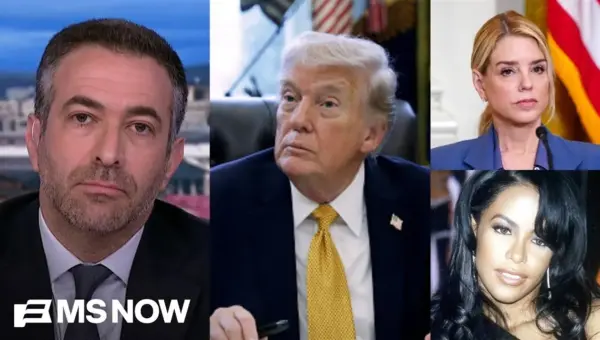
Trump’s Legal Battles: Cases Crumble, Appeals for Funds Fail
The Department of Justice (DOJ) is facing accusations of partisanship and incompetence following a series of failed prosecutions targeting individuals on Donald Trump's 'enemies list.' Despite repeated losses in court, officials like Attorney General Bondi are reportedly continuing to pursue similar legal strategies, raising concerns about fairness and adherence to the law. Meanwhile, questions surround a million-dollar payment to former Trump ally Michael Flynn and Trump's past failed attempt to secure millions in taxpayer funds.