Judge Jeanine Pirro Concedes in Trump-Linked Prosecution Attempt
Jeanine Pirro, a U.S. Attorney linked to Donald Trump, has reportedly halted efforts to indict six members of Congress after a grand jury unanimously rejected the case. This development is seen as a significant setback and a victory for the rule of law, raising questions about accountability for prosecutorial overreach.

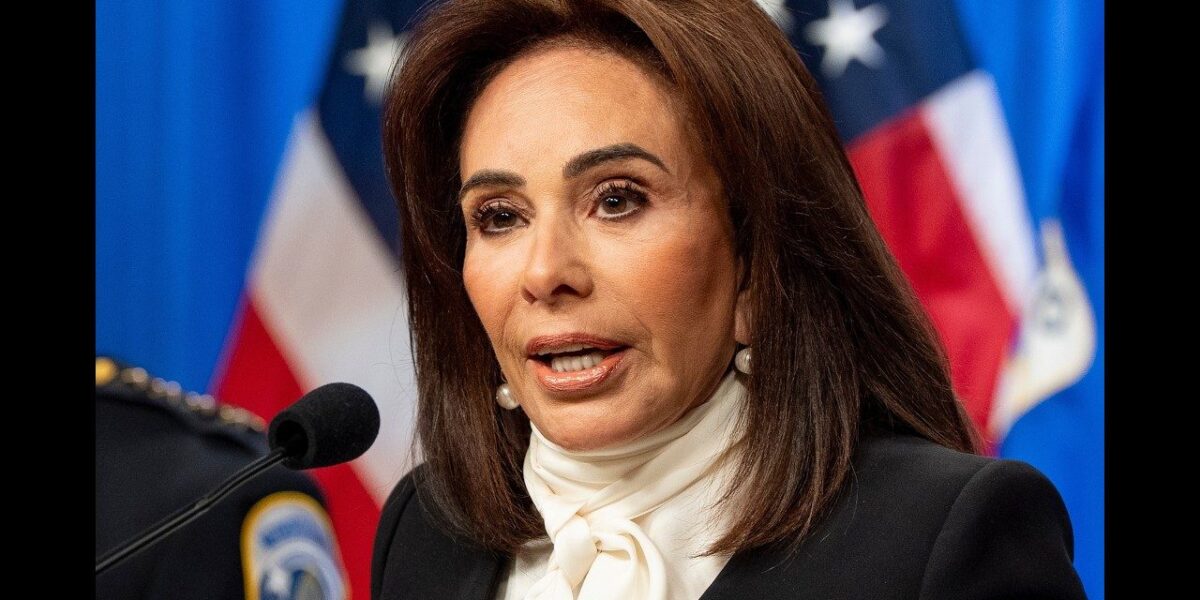
Prosecutorial Setback for Trump Ally Jeanine Pirro
In a significant turn of events, U.S. Attorney for the Washington D.C. office, Jeanine Pirro, a prominent figure often associated with Donald Trump, has reportedly abandoned efforts to secure felony indictments against six members of Congress. The move comes after a grand jury unanimously rejected the prosecution’s case, signaling a major setback for Pirro and the broader Trump-aligned legal strategies. The individuals targeted included military veterans and intelligence community members who had asserted that military personnel are obligated to disobey unlawful orders, a tenet of military law. The proposed charges, which were reportedly unclear even to prosecutors, carried potential penalties of death.
Grand Jury Delivers Unanimous Rebuke
The grand jury’s decision not to indict any of the six members of Congress was reportedly unanimous, with zero votes in favor of indictment. This outcome, described as unprecedented by observers, has led to reporting that Pirro has “shelved her quest to indict the innocent.” This development is being hailed by some as a victory for the rule of law, emphasizing the role of the grand jury as the “conscience of the community.” The investigation appears to be stalled, though the possibility of future attempts to pursue indictments remains.
“The problem is the prosecutors didn’t know what the proposed charges were either. But mind you, these are offenses potentially punishable by death.”
Overlap with Civil Case Against Pete Hegseth
The situation involving Pirro’s office has notable parallels with a civil case brought by Senator Mark Kelly against former Department of Defense official Pete Hegseth. Kelly, one of the targeted members of Congress, had filed a civil suit against Hegseth for attempting to punish him for his accurate statements on military law. In a striking coincidence, one day after the grand jury’s refusal to indict Kelly and the others, a judge ruled that Hegseth had violated the Constitution by attempting to punish Kelly for his speech. This dual defeat for the Trump administration’s attempts to penalize members of Congress for expressing views aligned with military law underscores the challenges faced by such prosecutions.
Implications for Future Prosecutorial Overreach
Legal analysts suggest that this unanimous rejection by the grand jury, while not setting a formal legal precedent, serves as a significant indicator of potential future challenges for similar cases. The repeated attempts to pursue indictments against individuals for allegedly committing no crimes are seen as accumulating “priors” for the Trump administration’s legal strategies. This could provide future targets of such investigations with substantial evidence to present in court, potentially undermining similar efforts. The discussion highlights a distinction between “failure” and “defeat,” with the latter implying an active resistance by “we the people” through institutions like grand juries and trial juries.
“When it comes to what’s happening in grand juries and in courtrooms, I see that as we the people defeating Donald Trump, his dirty DOJ leadership… The reason I view these as defeats is because… This is the people rising up as the conscience of the community.”
Accountability for Jeanine Pirro?
Questions have been raised regarding potential sanctions for Jeanine Pirro, given the nature of her alleged actions. Legal experts suggest several avenues for accountability. These include personal legal liability through civil lawsuits brought by the members of Congress, referral to bar counsel for disbarment due to professional misconduct, and even potential criminal culpability under statutes like “conspiracy against rights” if her actions are deemed to have deprived individuals of constitutional protections. The call for accountability is framed within a broader concern for the preservation of the republic, drawing parallels to past instances where a lack of accountability for high-profile figures has been seen as detrimental to democratic institutions.
The Imperative of Accountability
The discussion concludes with a stark warning about the consequences of failing to hold individuals accountable for abuses of power. Drawing lessons from historical events, including the aftermath of the Nixon presidency and the January 6th Capitol attack, the argument is made that declining to pursue accountability risks the very foundation of the republic. The current legal landscape, particularly concerning the actions of figures like Jeanine Pirro, is presented as a critical juncture where a commitment to the rule of law and constitutional principles must be paramount. The message to future leadership is clear: prioritize accountability to deter future abuses and safeguard democratic integrity.
The article will conclude by emphasizing the ongoing need for vigilance and the active participation of citizens in upholding democratic values and the rule of law.
Source: Jeanine Pirro signals DEFEAT in stunning concession (YouTube)

Related Articles

Trump Threatens “Unseen” Force on Iran After Leader’s Death
Following the assassination of Supreme Leader Ayatollah Ali Khamenei, U.S. President Donald Trump has vowed to unleash unprecedented force on Iran. While outlining ambitious goals including regime change, experts express skepticism about the effectiveness of airstrikes and the potential for popular uprising against a resilient Iranian government.
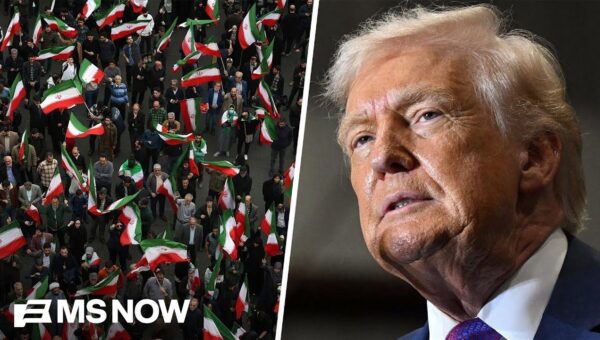
Senator Coons Questions Trump’s Iran Strategy After Troop Deaths
Senator Chris Coons has sharply criticized President Trump's strategy in Iran following the deaths of three U.S. service members. Coons questioned the intelligence regarding Iran's nuclear proximity and the lack of clear strategy and congressional debate for the "war of choice."
Nuclear Expert Debunks Trump’s Iran Bomb Timeline
Nuclear security expert Joe Cirincione refutes claims that Iran was two weeks from a nuclear bomb, stating the process would take months. He analyzes recent strikes on Iran's nuclear facilities, arguing military solutions are insufficient and diplomacy with inspectors is key.