Judge Halts White House Ballroom Project, Citing Preservation
A federal judge has halted a $400 million White House ballroom project, calling the president a steward, not an owner, of the historic building. The ruling emphasizes the need to preserve the White House for future generations. The administration is expected to appeal the decision.

Judge Halts White House Ballroom Project, Citing Preservation
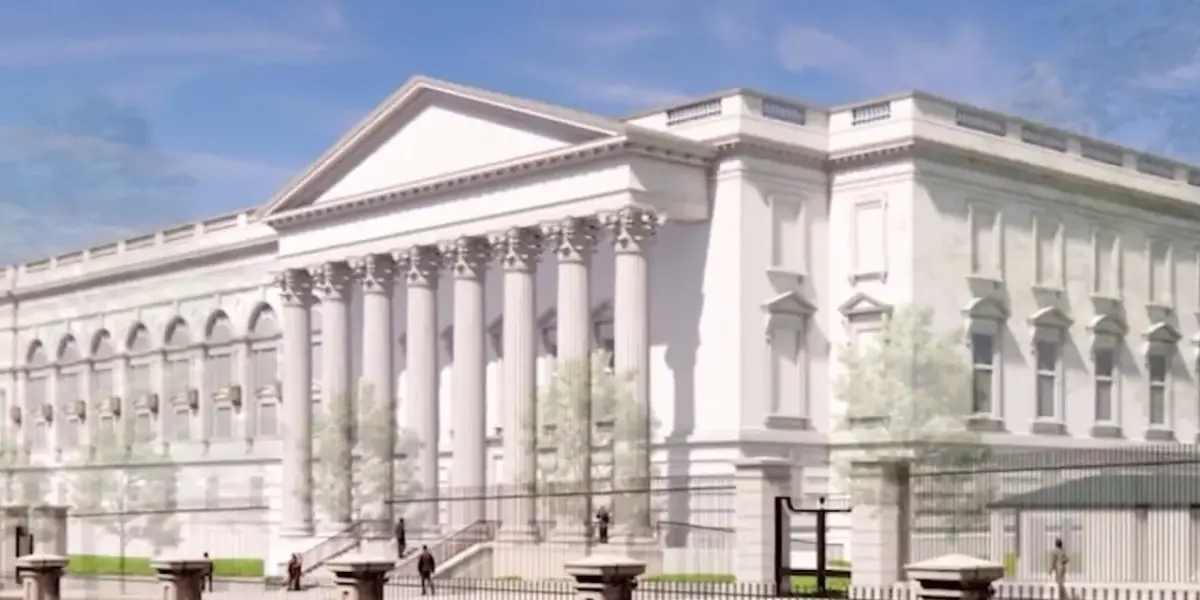
A federal judge has stepped in to pause a controversial $400 million ballroom construction project at the White House. US District Judge Richard Leon in Washington agreed with a preservationist group that the project should not move forward, at least for now. He issued a preliminary injunction, essentially a temporary stop order, to halt the work.
Judge Leon made a strong statement about the president’s role. He said, “The president of the United States is the steward of the White House for future generations of first families. He is not, however, the owner.” This highlights the idea that the White House belongs to the nation, not just the person living there during their term.
The judge did allow for a short delay in his order, giving the administration 14 days before the pause must fully take effect. This was to deal with any immediate logistical problems the construction might cause. He also made it clear that any work necessary for the safety and security of the White House could continue. The Trump administration is expected to fight this decision and appeal the judge’s order.
Historical Context: The White House as a Symbol
The White House is more than just a home and office; it’s a powerful symbol of American democracy and history. For over 200 years, it has stood as a witness to countless important decisions and events. Major renovations and additions have happened throughout its history, often to modernize facilities or address structural issues. However, these changes are usually carefully considered and debated, aiming to respect the building’s historical significance.
Past projects, like the Truman Balcony or the West Wing expansion, were undertaken with a focus on preserving the original character while improving functionality. The idea of building a large, new ballroom for private events raises questions about the appropriate use of such a historic and public space. Critics argue that such a project could alter the historical integrity of the executive mansion.
The Preservationist Argument
The group that brought the lawsuit, likely concerned about historical preservation, argued that the construction could harm the White House’s legacy. Their main point is that the building should be protected for future generations. They believe that adding a large, modern ballroom could be seen as changing the historic nature of the building in a way that can’t be undone.
This perspective focuses on the White House as a national monument. It suggests that decisions about its structure and purpose should prioritize its long-term historical value over short-term needs or desires of a particular administration. The judge’s ruling seems to support this view, emphasizing the president’s role as a temporary caretaker.
The Administration’s Perspective (Implied)
While the transcript doesn’t detail the administration’s specific arguments, such a project likely aimed to provide enhanced facilities for official events and entertaining. A dedicated ballroom could offer a more suitable and grand space for state dinners, receptions, and other important gatherings. These events are part of the public duties of the presidency.
The administration might argue that the project is a necessary upgrade to maintain the White House’s function as a center for diplomacy and national representation. They may also contend that the design would be sensitive to the historical context and that the funds would be used appropriately for a valuable addition.
Why This Matters
This legal battle is important because it touches on who controls the narrative and physical space of one of the most iconic buildings in the world. It asks fundamental questions about the balance between presidential needs and the preservation of national heritage. The ruling suggests that even the president’s plans for the White House are subject to legal and public scrutiny when they impact historical resources.
The decision could set a precedent for future administrations. It might encourage more public input and legal challenges regarding changes to historic government buildings. This emphasis on stewardship ensures that these landmarks are passed down with their historical integrity intact.
Future Outlook
The Trump administration’s expected appeal means this legal fight is far from over. The next steps will likely involve further court hearings and arguments. The outcome could have lasting implications for how presidential property is managed and preserved.
If the injunction is upheld, it would mean that major alterations to the White House require careful consideration of historical impact and potential legal challenges. If the administration wins its appeal, the project could move forward, but likely under continued public observation.
Source: Judge Orders Pause to White House Ballroom Construction (YouTube)

Related Articles

War Focus Lags as Trump Eyes Ballrooms, Profit, Critics Say
Critics are questioning the priorities of the Trump administration, suggesting a focus on personal enrichment and projects like a ballroom over critical foreign policy decisions. Reports allege attempts at profiting from the conflict, while Iran appears to have emerged stronger. The war's costs extend to depleted military supplies and potential cuts to healthcare.


President’s Ballroom Meltdown Distracts From Real Issues
President Trump's press conference, meant to discuss voting, devolved into a heated defense of a halted White House ballroom project. His combative exchanges with reporters, particularly when questioned about rising gas prices, highlight a distraction from pressing national issues.


Marines Revolt: Troops Reject Trump’s Iran War
A 1,000% increase in conscientious objector requests from U.S. soldiers signals growing dissent against the escalating conflict with Iran. Service members cite the unprovoked nature of the war and a deadly school bombing as breaking points, questioning the moral implications of their potential actions and highlighting a crisis of confidence within the ranks.