Judge Halts Trump Ballroom: White House Isn’t Yours to Remodel
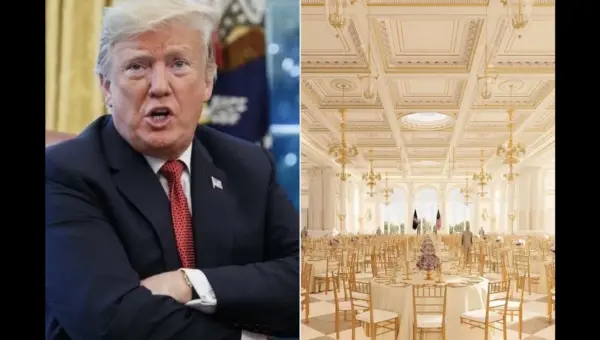
A federal judge has halted President Trump's $400 million White House ballroom project, ruling that the president lacks the authority to make such changes. The decision reaffirms that the White House belongs to the American people, not any single individual. This ruling highlights the importance of checks and balances in government.


Judge Halts Trump Ballroom: White House Isn’t Yours to Remodel
A federal judge has put a stop to President Trump’s ambitious plan to build a $400 million ballroom at the White House. The ruling makes it clear: the president is a caretaker of the White House, not its owner. This decision is a significant check on presidential power, reminding everyone that the historic building belongs to the American people.
No Presidential Power Play Here
The core of the judge’s decision is simple: President Trump does not have the legal right to tear down parts of the White House grounds and construct a massive new ballroom, even if private donors are paying for it. The court found that no existing law gives the president this kind of authority. The judge emphasized that Congress has historically overseen major construction projects at the White House for hundreds of years. This project cannot simply ignore that established process.
Construction Already Underway
Despite the legal questions, construction had already begun. The East Wing of the White House was demolished, and heavy machinery was on site. Above-ground work was scheduled to start in April. However, the judge’s order means this work must halt immediately. It can only proceed if Congress steps in and officially approves the project. The judge’s message was direct: the White House is for the nation, not for any one president’s personal desires.
Why This Matters
This ruling is important because it reinforces the principle that public property, especially a symbol as significant as the White House, is held in trust for the public. It prevents a president from using their position to significantly alter or build upon the White House without the consent of the people’s representatives in Congress. It’s a reminder that even the president operates within legal and historical boundaries. This case highlights the checks and balances in our government designed to prevent the abuse of power.
Historical Context and Future Outlook
For centuries, major changes to the White House have involved congressional approval. Think of significant renovations or additions; these weren’t typically decided by a single president’s whim. This tradition ensures that such projects are in the national interest and are subject to public oversight. The judge’s ruling respects this long-standing practice. Moving forward, this decision could set a precedent for future presidential actions concerning federal property. Any president considering large-scale alterations to national landmarks will likely need to ensure they have clear legal backing and congressional support, rather than relying on perceived executive authority.
Implications and Trends
The implications of this ruling extend beyond just a ballroom. It touches on how executive power is exercised, especially concerning public assets. In an era where presidential actions are constantly scrutinized, this judicial intervention serves as a significant reminder of the limits placed upon the executive branch. It suggests a trend towards greater judicial review of actions that might overstep traditional executive authority. This could lead to more legal challenges against similar projects in the future.
The trend is towards ensuring that significant public resources and symbols are managed responsibly and with broad consensus. This ruling supports the idea that the executive branch should not unilaterally decide how to alter or expand iconic national structures. It encourages a more deliberate and inclusive approach to such decisions, involving both the legislative branch and, by extension, the public.
A Clear Message
The judge’s statement that the White House belongs to the American people, not Donald Trump, is a powerful one. It encapsulates the democratic principle at the heart of the ruling. This isn’t just about a building; it’s about who controls our shared heritage and symbols of government. The court’s decision upholds the idea that public trust requires public accountability, especially when dealing with national treasures.
Source: Trump Ballroom STOPPED by Federal Judge (YouTube)

Related Articles

Judge Halts Trump’s Ballroom: A Clash Over Power and Priorities
A federal judge has halted President Trump's $400 million White House ballroom project, citing lack of legal authority. The decision sparks debate over presidential power, personal priorities, and the balance between ambition and public service.


Judge Halts Trump’s Ballroom: Power vs. Public Good
A federal judge has halted Donald Trump's $400 million White House ballroom project, ruling the president is not the owner of the property. The decision contrasts sharply with the economic struggles of average Americans, drawing criticism about misplaced priorities and the limits of executive power.


Judge Blocks Trump’s White House Ballroom Project Permanently
A federal judge has permanently blocked President Trump's $400 million White House ballroom project, ruling it lacked necessary congressional approval. The decision emphasizes Congress's authority over federal property and spending, reaffirming the balance of power in government.