Judge Halts Trump Ballroom Project, Cites Presidential Authority
A federal judge has halted President Trump's White House ballroom renovation, citing the need for Congressional authorization. The ruling emphasizes the President's role as a steward, not an owner, of the historic building. This decision comes amid ongoing international conflict and rising gas prices, drawing parallels to the administration's handling of foreign policy.

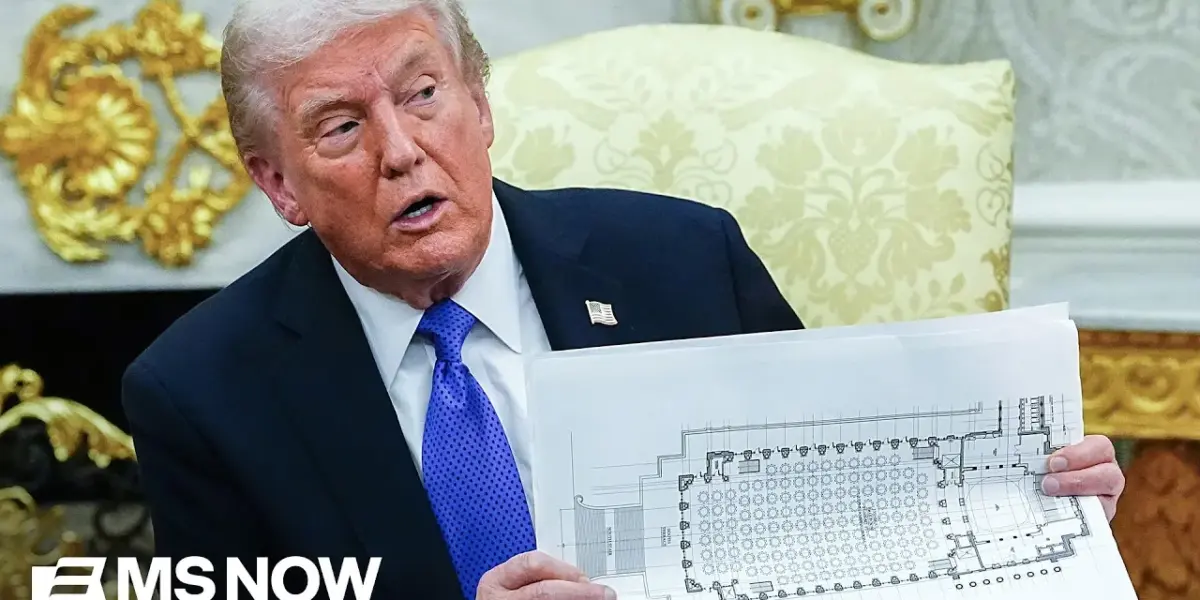
Judge Orders Halt to Trump’s White House Ballroom Renovation
A federal judge has ordered a temporary halt to President Donald Trump’s controversial ballroom renovation project at the White House. The ruling, issued by Judge Richard Leon, states that construction must stop within 14 days. Work can only resume once Congress officially authorizes the planned renovations through new legislation.
Judge Leon, appointed by former President George W. Bush, made his position clear in his written order. He emphasized that the President serves as a caretaker of the White House for future generations. “The President of the United States is the steward of the White House for future generations of first families,” Leon wrote. “He is not, however, the owner. The White House does not belong to any one man, not even a president.”
Project Faces Congressional Hurdles
The Trump administration had reportedly moved forward with demolishing part of the East Wing to make way for the new ballroom. This project, described as a personal endeavor for the President, has been a point of contention. The judge’s decision highlights a conflict between the executive branch’s actions and the legislative branch’s oversight responsibilities. Without explicit approval from Congress, the administration’s unilateral decision to proceed with the costly renovation is now on hold.
This legal setback comes as the nation faces other significant international challenges. While the ballroom project is stalled, the administration is also dealing with a military operation in Iran. The President was expected to address the nation regarding this ongoing situation, drawing a stark contrast between domestic construction plans and foreign policy concerns.
Trump Responds to Ruling
Following the judge’s order, President Trump took to social media to voice his displeasure. In a lengthy post, he criticized various individuals and organizations, including the National Trust, Governor Gavin Newsom, and the Chairman of the Federal Reserve. The President appeared to blame others for the project’s delays and the current situation.
However, the article suggests that the President himself is primarily responsible for the project’s current predicament. It points to a refusal to seek necessary approval from Congress and a disregard for potential legal consequences. What was envisioned as a swift success for the President’s initiative now appears to be a complex and stalled undertaking.
Broader Context: War and Economic Impact
The article draws parallels between the issues surrounding the ballroom project and the administration’s approach to the conflict in Iran. It notes that the war, now in its fifth week, has had tangible effects on the American public, particularly through rising gas prices. The Strait of Hormuz, a critical oil shipping route, has been effectively controlled by Iran, impacting global oil supplies.
At the outset of the conflict, President Trump had assured the public that any increase in gas prices would be temporary. He suggested that resolving the situation would lead to lower fuel costs for American families. “And the result will be lower oil prices, oil and gas prices for American families,” he had stated. He predicted a significant decrease in energy costs once the conflict was resolved.
Shifting Stance on Iran Conflict
Recent reports indicate a potential shift in the administration’s strategy regarding the Iran conflict. According to The Wall Street Journal, the President has informed his top aides that he is willing to end the military operation without securing the reopening of the Strait of Hormuz. This approach could allow Iran to maintain control over the vital shipping lane, potentially leading to sustained higher gas prices.
This development suggests a possible departure from the initial goals and promises made by the President concerning the economic impact of the conflict. The article implies that the administration may be reconsidering its objectives, potentially accepting a less favorable outcome regarding oil prices to conclude the military engagement.
Source: Trump goes off the deep end after judge halts his ballroom pet project (YouTube)

Related Articles


Congress Flees Amid Shutdown, Iran War: Analyst Slams ‘Self-Inflicted Wound’
Political analyst Molly Jong-Fast criticizes Congress for leaving during a partial DHS shutdown and escalating Iran conflict, calling it a "self-inflicted wound." She suggests Speaker Mike Johnson is using the recess to avoid difficult legislation, leaving the nation vulnerable.


Gas Prices Soar as War Fears Grip Markets, Congress Abandons DC
Gas prices are soaring nationally, reaching an average of $4 per gallon, fueled by concerns over the war with Iran. Meanwhile, a federal judge has halted construction on President Trump's White House ballroom, and Congress has left Washington amidst a government shutdown, drawing public criticism.


Trump’s Golden Ballroom Blocked: A Clash Over Power and Legacy
A federal judge has blocked Donald Trump's $400 million "golden ballroom" project at the White House, citing constitutional violations. Trump has since tried to rebrand the project as a national security necessity to counter drones, sparking a clash over executive power and the rule of law.