Judge Blocks Vaccine Rule Changes, Cites Lack of Science
A federal judge in Massachusetts has blocked the Trump administration from altering the childhood vaccine schedule, citing a lack of scientific basis and disregard for expert input. The ruling reversed decisions made by an appointed panel and highlighted concerns over the sidelining of established scientific processes. The administration plans to appeal, setting the stage for a potential legal battle with significant implications for public health.

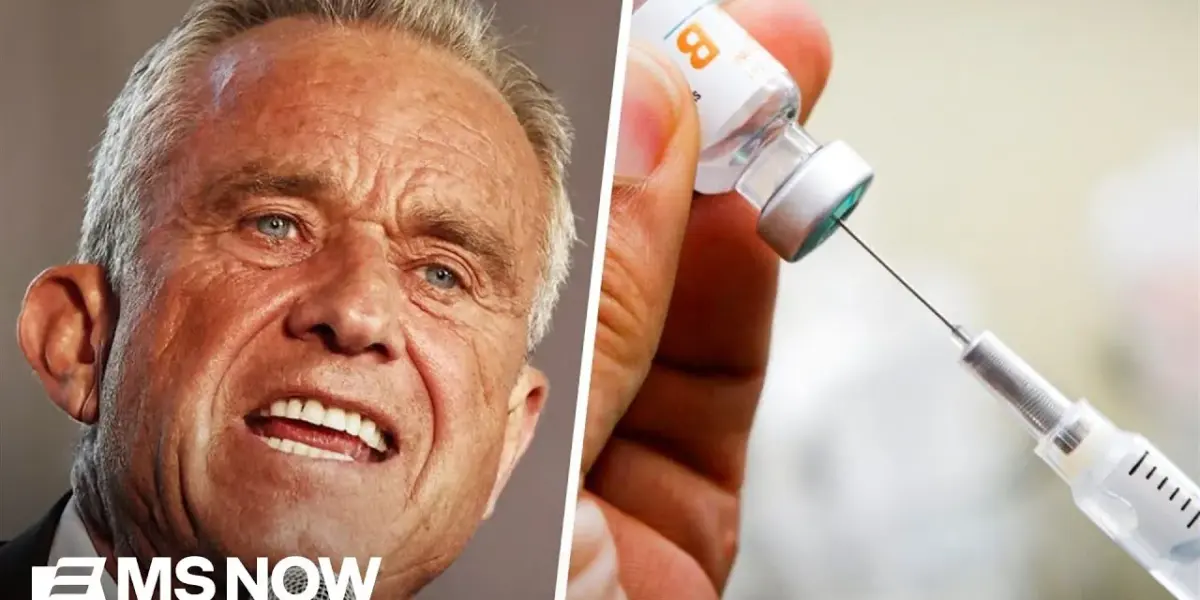
Federal Judge Halts Sweeping Vaccine Policy Overhaul
A federal judge in Massachusetts has blocked the Trump administration from making significant changes to the nation’s childhood vaccine schedule. The ruling, issued recently, also reversed decisions made by a panel appointed by Health and Human Services Secretary Robert F. Kennedy Jr. The judge stated that the government ignored its own history of using independent experts and that the decisions were not supported by science.
Context and Potential Impact
Jonathan Cohn, a senior national correspondent at The Bulwark, explained the potential impact of this ruling. He noted that for the past year, Kennedy has significantly influenced vaccine policy in the U.S. This included cutting research funding, spreading misinformation on the CDC website, and removing experts who advocated for science-based decisions. The judge’s decision serves as a reminder that established rules and laws govern how health policies are made.
Key Issues in the Ruling
The judge pointed to two main problems with the administration’s actions. First, all members of the outside advisory committee on vaccines were removed and replaced with individuals who shared Kennedy’s views. Second, a decision was made in January to withdraw recommendations for about six vaccines without consulting this committee. The judge emphasized that such decisions require deliberation and consideration of the best scientific evidence, which the administration failed to demonstrate.
The judge is basically saying, ‘Hey, wait a minute, there are rules in place. There are laws that govern how you make these decisions. And you have violated those rules.’
What Happens Next?
The administration has already announced its intention to appeal the ruling. Cohn explained that while this ruling temporarily blocks the changes, the case could go through a full trial. If the administration appeals, the case could move to higher courts, including the circuit court and potentially the Supreme Court. Complex legal questions remain, such as who has the legal right to sue (standing), the extent of the HHS secretary’s authority, and whether these actions qualify as final agency decisions.
Political Ramifications
The ruling also touches on political sensitivities. The administration has been trying to distance itself from vaccine policies publicly, recognizing that most people support vaccines. Headlines about measles outbreaks and the sidelining of traditional scientists are not popular. This legal challenge could put the administration in a difficult political spot.
Expert Concerns and Public Health
Dr. Deborah Howery, former chief medical officer at the CDC, expressed relief for children’s health. She highlighted the increase in deaths from diseases like the flu and measles, noting that changes in vaccine access could worsen these trends. Dr. Howery felt validated, as she and her colleagues had raised concerns about the secretary not following executive orders on transparency and science. She stated that firing qualified experts and making ideological decisions has negative consequences for the country.
Erosion of Trust and State-Level Responses
Cohn pointed out that some states are forming their own healthcare alliances and issuing independent recommendations because people no longer trust the CDC or federal authorities. He stressed that this is not ideal, as infectious diseases like measles do not respect state borders. He cited Florida as an example, where the DeSantis administration is trying to scale back childhood vaccine recommendations. Notably, a recent measles outbreak occurred in Southwest Florida among unvaccinated individuals.
Long-Term Damage and Recovery
Dr. Howery voiced concerns about the damage caused by vaccine hesitancy, especially when fueled by invalid statistics or misinformation from authority figures. She referenced the worst measles outbreak in 30 years and whooping cough cases in Louisiana as examples of vaccine-preventable diseases resurging. She also worried about long-term health consequences for children who recover from measles, such as encephalitis or brain damage, and the potential for their immune systems to be weakened. A recent study in The Lancet also found a 10% drop in Tylenol prescriptions for infants after President Trump falsely claimed it could increase the risk of autism.
Looking Ahead
The legal battle over vaccine policy is far from over, with an appeal expected. Public health experts will be watching closely to see how the courts handle the complex legal issues and whether the administration will continue to pursue changes that critics argue undermine established scientific processes and public trust. The long-term health implications for children and the broader impact on vaccine confidence remain significant concerns.
Source: MAHA Struck Down: Judge blocks admin's sweeping changes to childhood vaccine schedule (YouTube)

Related Articles

New COVID Variant Fuels Health Concerns Amid Allergy Season
A new, more contagious COVID-19 variant from the Omicron family is spreading across the U.S., detected in wastewater and potentially evading vaccines. The timing complicates symptom identification as allergy season begins, with experts advising symptom duration and accompanying fever as key differentiators.


Vaccine Hesitancy: A Doctor’s Warning on Health Risks
A doctor warns that jokes about science and vaccines can have dangerous real-world health consequences. The rise of misinformation is linked to outbreaks of preventable diseases like measles and the rejection of essential newborn care.

RFK Jr. Eyes Peptide Access, Sparking Health and Safety Debate
Health Secretary Robert F. Kennedy Jr. is advocating for expanded access to synthetic peptides, sparking debate over their safety and regulation. While proponents believe increased oversight can improve quality, critics worry about potential health risks from less-tested compounds.