Judge Blocks Trump Subpoenas: Major Legal Setback for Ex-President
A federal judge has blocked Donald Trump's attempts to subpoena Federal Reserve Chair Jerome Powell, labeling the move as "legal harassment." The ruling is seen as a significant setback for the former president's legal strategy.

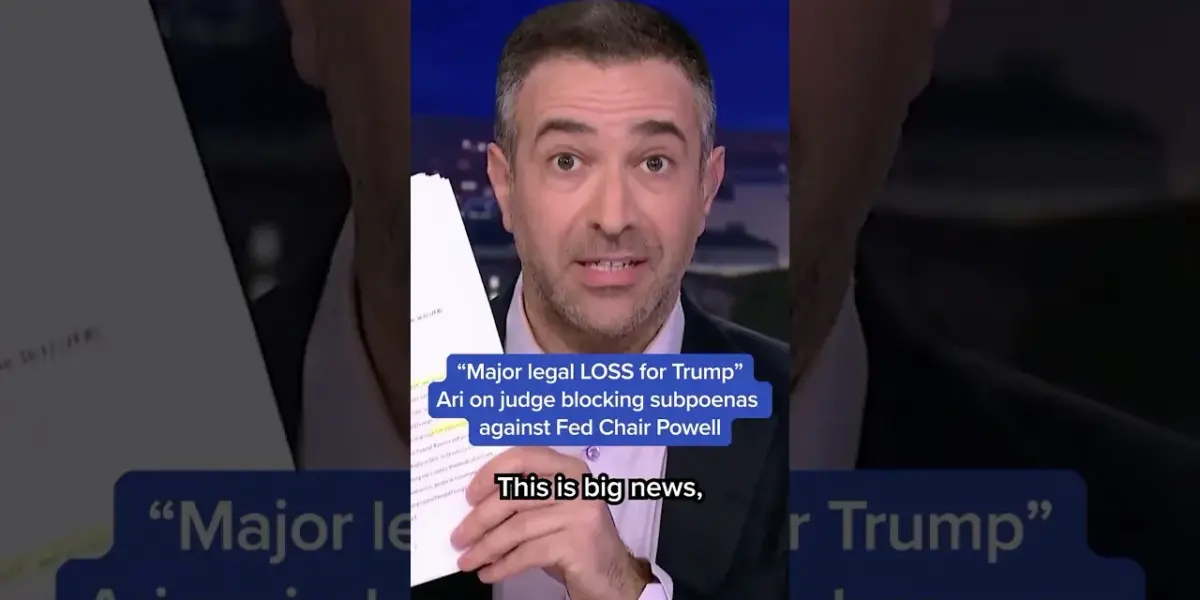
Federal Judge Thwarts Trump’s Attempt to Subpoena Fed Chair Powell
In a significant legal development, a federal judge has definitively blocked attempts by former President Donald Trump to subpoena Federal Reserve Chair Jerome Powell. The ruling, detailed in a document exceeding 25 pages, represents a substantial setback for Trump, who sought to use the subpoenas in his ongoing legal battles. Legal analysts, including Ari Melber, have characterized the decision as a “major legal loss” for the former president, underscoring the court’s assertion that Trump is “powerless to the kind of legal harassment that he’s trying.”
Context of the Subpoena Requests
While the specifics of Trump’s original subpoena requests remain somewhat obscured by the legal proceedings, the underlying intent appeared to be an effort to exert pressure or gather information relevant to his broader legal defense strategy. The subpoenas were reportedly directed at Federal Reserve Chair Jerome Powell, a figure central to the nation’s economic policy. The move signaled an aggressive legal tactic by Trump, who has frequently employed litigation as part of his public and political life.
The Judge’s Reasoning and Ruling
The federal judge’s extensive ruling provided a clear rationale for blocking the subpoenas. Central to the decision was the assessment that Trump’s requests constituted an inappropriate form of legal harassment. The court’s finding that Trump is “powerless to the kind of legal harassment that he’s trying” suggests a judicial acknowledgment that the subpoenas were not grounded in legitimate legal necessity but rather served as a tool for intimidation or disruption. This interpretation highlights a judicial boundary being drawn against perceived overreach in legal maneuvering.
“In over 25 pages, Trump learned he is powerless to the kind of legal harassment that he’s trying.”
The length and detail of the judicial opinion suggest a thorough examination of the legal arguments presented by both sides. By issuing a comprehensive rejection, the judge aimed to provide clarity and finality to this particular aspect of Trump’s legal challenges. The ruling implies that the judiciary is prepared to scrutinize and, if necessary, curtail legal actions that appear to be designed for purposes beyond legitimate legal inquiry.
Implications for Trump’s Legal Strategy
This ruling has significant implications for Donald Trump’s broader legal strategy. It suggests that attempts to leverage the judicial system for personal or political ends, particularly through actions perceived as harassment, may face strong opposition from the courts. The decision reinforces the principle that legal processes are intended for the pursuit of justice and not as instruments for undue pressure or obstruction. For Trump, who has a history of using aggressive legal tactics, this setback may necessitate a recalibration of his approach in ongoing and future legal disputes.
Furthermore, the ruling concerning the Federal Reserve Chair underscores the independence of key governmental institutions. The court’s decision to shield a high-ranking official like Powell from what it deemed legally unjustified subpoenas serves to protect the operational integrity of institutions like the Federal Reserve, which are crucial for economic stability. This protection is vital, as political interference or harassment could undermine public confidence and the effectiveness of such bodies.
Broader Judicial and Political Ramifications
The blocking of these subpoenas extends beyond Trump’s immediate legal concerns. It sends a message about the limits of legal discovery and the potential for its misuse. Judges are tasked with ensuring that legal processes are fair and efficient, and this decision aligns with that mandate by preventing the perceived weaponization of subpoenas. This could embolden other judges to take similar stances against what they deem to be vexatious or harassing legal actions, regardless of the party involved.
Politically, the ruling may be interpreted in various ways. Supporters of Trump might view it as an example of the “deep state” or established powers working against him. Conversely, those who believe in the rule of law and the importance of judicial independence may see it as a validation of the legal system’s ability to self-correct and uphold its principles, even when faced with high-profile defendants. The decision also highlights the ongoing tension between political ambition and the constraints imposed by legal and institutional norms.
What’s Next?
Moving forward, it remains to be seen how Donald Trump and his legal team will respond to this adverse ruling. They may explore avenues for appeal, though the grounds for overturning such a decision could be challenging. Alternatively, this might prompt a strategic shift in their legal approach, focusing on more conventional legal arguments and evidence. The broader implications for the use of subpoenas against government officials and the judiciary’s role in arbitrating such disputes will continue to be a significant area to monitor in the coming months.
Source: "Major legal LOSS for Trump": Ari on judge blocking subpoenas against Fed Chair Powell (YouTube)

Related Articles
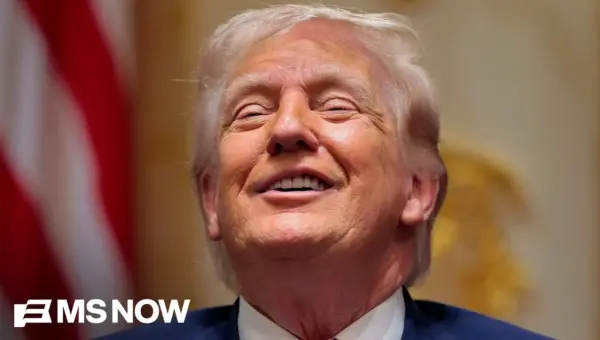
Trump’s Name Everywhere: A ‘Stain’ on GOP Legacy?
Former President Donald Trump's efforts to brand national symbols, including a proposed signature on dollar bills, spark debate. Critics view this as an authoritarian attempt to embed his legacy, potentially staining the Republican Party's history and contrasting with democratic ideals of public ownership.
Trump’s War Talk Stuns Financial Crowd
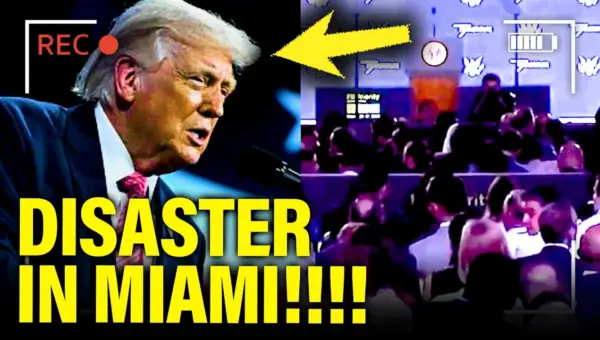
Donald Trump's recent speech in Miami focused on his foreign policy, particularly his critical views on NATO and his vision for international relations. He declared the U.S. would no longer defend NATO allies, questioned the value of existing alliances, and suggested renaming the Strait of Hormuz. The speech also touched on his personal views of success, his allies, and his perceived role as a global peacemaker.
Trump’s Warpath: New Threats Signal Imperial Ambitions
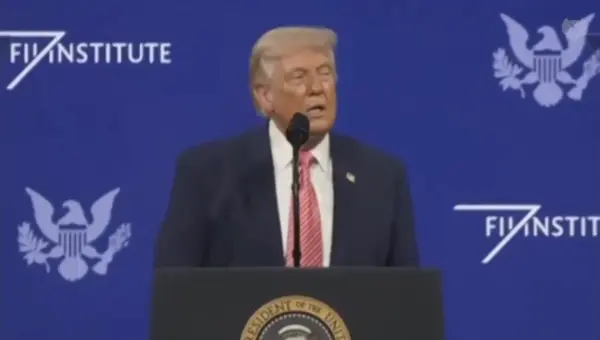
Recent statements from Donald Trump reveal a potential embrace of increased military action and interventionist foreign policy. This approach, characterized by critics as "imperialism 2.0," contrasts with his past promises of peace and has even drawn criticism from parts of his own base. The implications for U.S. global engagement and domestic priorities are significant.