Journalist’s Abduction in Iraq Highlights Regional Instability
American journalist Shelly Kittleson has been kidnapped in Iraq, highlighting the severe risks faced by reporters in unstable regions. Her colleagues emphasize her dedication to reporting from dangerous areas, while Iraqi authorities are working to secure her release.

Journalist’s Abduction in Iraq Highlights Regional Instability
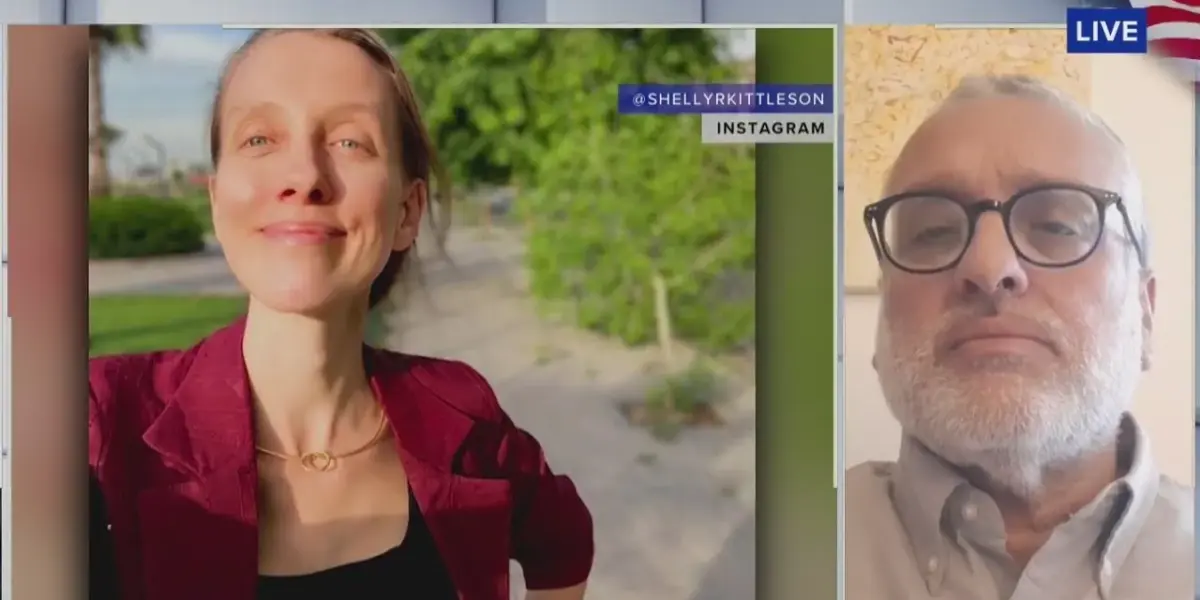
An American freelance journalist, Shelly Kittleson, was kidnapped in broad daylight in Iraq, sparking international concern and underscoring the ongoing dangers faced by reporters in conflict zones. The incident, confirmed by Iraqi officials, involved Kittleson being forced into a car and driven away. While the exact perpetrators remain unconfirmed, reports suggest a group with alleged ties to Hezbollah may be involved. Iraqi authorities have arrested one suspect and are actively searching for Kittleson, believing she is being held in Baghdad.
A Veteran Reporter in a Dangerous Landscape
Shelly Kittleson is described by colleagues as a highly professional and dedicated journalist with extensive experience in the Middle East. Having worked in Iraq, Afghanistan, Syria, and Lebanon, she speaks Arabic fluently and possesses a deep understanding of the region. Her friend and former colleague, Patrice, noted that Kittleson was committed to reporting from difficult and dangerous areas, believing her work was more impactful when done directly from the ground. This commitment often meant working as a freelancer, without the backing of a major media organization, which adds another layer of risk to her already challenging profession.
Despite her deep knowledge and established network of contacts, which include government officials and security figures, Kittleson was not unaware of the dangers. Patrice recalled conversations where she expressed concern for Kittleson’s safety, urging her to be careful. Kittleson, however, maintained that her job was meaningful precisely because she reported from places others would not. While she took precautions, the reality of reporting in such environments means that 100% security is rarely achievable, especially for those perceived as targets.
Motivations and Interests of Key Actors
Shelly Kittleson: Her primary motivation appears to be a deep commitment to journalism and a desire to provide accurate, on-the-ground reporting from complex regions. She believes in giving voice to different perspectives and is described as a gentle and considerate person, not driven by ideology.
Iraqi Authorities: Their stated interest is to locate and secure Kittleson’s release. By confirming the kidnapping and arresting a suspect, they demonstrate an effort to maintain order and address the security breach. Their ability to manage such incidents impacts their international standing and the safety of foreign nationals operating within their borders.
Alleged Kidnappers (Hezbollah-linked group): The motivations of such groups can vary widely, potentially including political leverage, ransom, or silencing reporting they deem unfavorable. Without official confirmation or claims of responsibility, their specific interests remain speculative but are likely tied to regional political dynamics and influencing narratives.
International Journalists and Organizations: There is a strong mobilization underway by international journalist groups and organizations, advocating for Kittleson’s release and urging governments to intervene. Their interest lies in protecting press freedom, ensuring the safety of their colleagues, and upholding the principles of journalism.
United States Government: As an American citizen, Kittleson’s safety is a concern for the U.S. government. While specific actions are not detailed in the transcript, diplomatic efforts are expected to be underway to secure her safe return.
Italian Diplomacy: The transcript mentions Italian diplomacy as potentially effective in negotiations, suggesting a role they might play in securing Kittleson’s release, possibly due to her connections or the broader international efforts.
Global Impact: Why This Reshapes the World Order
The abduction of Shelly Kittleson is more than just a personal tragedy; it highlights a persistent and dangerous trend in global geopolitics. In regions grappling with instability, political transitions, or ongoing conflicts, journalists often become targets. This incident serves as a stark reminder that the pursuit of truth in challenging environments carries extreme risks. It puts pressure on governments to ensure the safety of those reporting on their affairs and raises questions about the effectiveness of security measures in place. The international community’s response and the outcome of this case will influence future security protocols for journalists and the ability of international media to cover critical global events.
Historical Context
Journalists have faced dangers in conflict zones for decades. From the Vietnam War to conflicts in the Balkans, the Middle East, and beyond, reporters have been killed, injured, or taken hostage. The rise of freelance journalism, while democratizing access to reporting, has also left many journalists without the institutional support and security apparatus of larger news organizations. This case echoes past incidents where foreign nationals, including journalists, were abducted for political or financial reasons, often leading to protracted negotiations and diplomatic crises.
Economic Leverage and Future Scenarios
While the transcript does not detail specific economic factors or sanctions related to this incident, the broader context of economic instability and political leverage in Iraq and the surrounding region is always present. Groups involved in such activities may seek financial gain or use the journalist’s detention as a tool to exert pressure on governments or influence regional politics. The economic reliance of some groups on external support can also play a role in their actions and the potential for negotiation.
Future Scenarios:
- Successful and Swift Release: Iraqi authorities, with international support, locate Kittleson quickly and ensure her safe return with minimal harm. This would be the most optimistic outcome.
- Protracted Captivity and Negotiation: Kittleson remains held for an extended period, leading to complex negotiations involving governments, international organizations, and potentially intermediaries. This scenario carries the highest risk of prolonged suffering for the journalist and increased diplomatic strain.
- Escalation of Tensions: If the alleged perpetrators are definitively identified and linked to specific state or non-state actors, the incident could lead to increased diplomatic friction or even broader regional security concerns, depending on the geopolitical implications.
Patrice expressed a significant fear that Kittleson could be held for a long time, a common and tragic reality in some parts of the world where such abductions occur. The immediate mobilization of international journalists and organizations, along with appeals to governments, signifies a concerted effort to prevent this worst-case scenario.
“My message to her kidnappers would be: You shouldn’t be afraid of a journalist doing her job properly. She gives a voice to people. She would give a voice even to those who keep her. She’s a gentle soul, and it is wrong to target any journalist.”
Source: Kidnapped US journalist Shelly Kittleson 'one of the best,' colleague says | NewsNation Live (YouTube)

Related Articles
Trump Threatens Iran, Shaking Global Stability
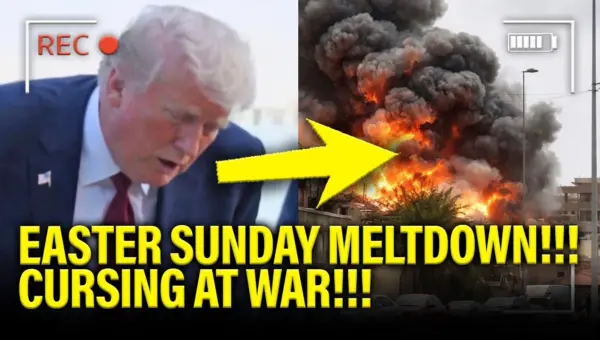
Former President Trump's aggressive Easter Sunday warning to Iran has ignited global concerns, highlighting a volatile intersection of politics, religion, and foreign policy. The analysis explores the motivations behind such rhetoric, the deep divisions within American society, and the potential for severe economic and geopolitical repercussions worldwide.
Trump’s Rhetoric Fuels Iran Tensions, Raises War Crime Alarms
Former President Donald Trump's aggressive Easter weekend social media posts directed at Iran have sparked international concern. His threats of military action and ultimatums, coupled with conflicting narratives about military engagements, have raised alarms about potential war crimes and a dangerous escalation of conflict. Critics accuse both Trump and segments of the media of downplaying the severity of his rhetoric.
Iran Faces Blockade as US Eyes Oil Route
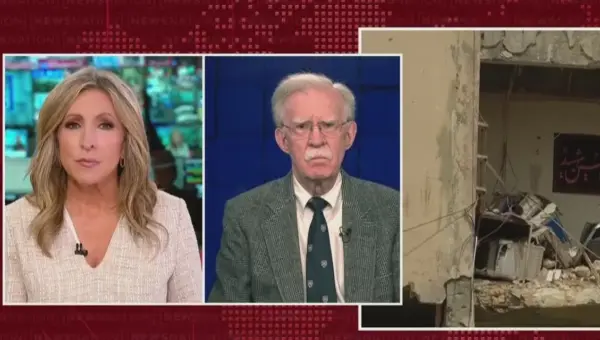
The U.S. is considering blocking Iran's oil exports through the Strait of Hormuz to pressure the Tehran regime. Former Ambassador John Bolton advocates for this strategy, alongside dismantling Iran's Revolutionary Guard, to achieve regional peace and security. The move could have major global economic impacts.