Journalist Slams Trump’s ‘Putin-esque’ War Crime Threats
Journalist Tara Setmayer has sharply criticized President Trump's threats against Iran, labeling them as a potential 'Putin-esque war crime.' She highlights concerns over his extreme rhetoric, influenced by religious advisors, and calls for elected Republicans to act. The article warns of the long-term consequences and the risk of hardened Iranian resolve.


Journalist Condemns Trump’s Threats as ‘Putin-esque War Crime’
Journalist Tara Setmayer strongly criticized President Trump’s rhetoric regarding Iran, labeling his threats of mass destruction as a potential ‘Putin-esque war crime.’ Speaking on a recent broadcast, Setmayer expressed concern over the President’s increasingly extreme language and the potential real-world consequences.
Rhetoric Escalates Amidst Political Fallout
The President’s public statements have drawn sharp criticism, with many, including figures who previously supported him, now questioning his fitness for office. Setmayer noted that many who helped elect him are now voicing outrage, with some even suggesting the invocation of the 25th Amendment. She highlighted that this public dissent signals a significant political alienation from the President.
Warnings Ignored, Recklessness Cited
Setmayer stated that warnings about the President’s potential actions were issued by many, including herself. She described his approach to foreign entanglements as reckless and ‘unspeakable.’ The journalist pointed out that many within the ‘MAGA, America First’ movement, who helped secure his election, are now speaking out. However, she stressed that their current concerns about his emotional instability are politically motivated, rather than a realization of his unfitness for the presidency.
Call for Action from Elected Officials
A significant concern raised was the silence of elected Republicans. Setmayer questioned why more officials in positions of power have not publicly denounced the President’s actions and statements. She argued that they should have spoken out much sooner, stating, ‘What are we doing here? You are unfit to be president of the United States.’ The potential consequences of these threats are described as globally deadly.
Influence of Religious Advisors Questioned
The article also touched upon the President’s inner circle, with observations that he has surrounded himself with individuals who echo his views. Setmayer noted a shift in the President’s language, including the use of phrases like ‘God is good,’ which are not typical of his established vocabulary. She suggested that some religious leaders are portraying him as a ‘Jesus-like figure’ and a ‘cudgel’ for God’s will. This influence, she believes, is impacting his decision-making process.
“The fact that they’re speaking out now, okay, that’s fine. But it really doesn’t the fact that he’s emotionally unstable. It’s no longer politically viable for them.”
‘Religious Fanaticism’ and Decision-Making
The journalist expressed curiosity about how this environment affects the President’s psyche, especially when making critical decisions and announcements. She believes this influence is ‘absolutely having an impact’ on the current situation. The narrative suggests a president being told he is fulfilling biblical prophecy, which could lead to a belief that he can ‘do no wrong.’
Historical Parallel and Biblical Contrast
Setmayer found no parallel in American history for a president being advised by religious leaders claiming he is fulfilling prophecy to save the nation and the world. She contrasted this with the biblical model, where prophets often condemned kings for their wrongdoings. In this case, religious leaders are reportedly not condemning the President’s ‘lawless, immoral threats of crimes against humanity.’ The threats themselves are not seen as mere negotiating tactics but as potential crimes.
‘Character is Destiny’ and Potential for Extremes
The article emphasized the idea that ‘character is destiny,’ suggesting that the President’s lack of character leads to limitless rhetoric. There is concern that this could translate into limitless actions. The upcoming deadline presents a critical juncture, with the possibility of actions falling short of threats but still being declared a success. The events of January 6th are cited as evidence that the President may not adhere to conventional limits.
A ‘Putin-esque War Crime’ Threat
The core of the criticism revolves around the potential for a ‘Putin-esque war crime.’ The article draws a parallel between the threats against Iran and Russia’s actions in Ukraine, specifically targeting civilian infrastructure. Setmayer stated that the current threats might even exceed what Putin has done. She urged elected Republicans to ‘find your spine’ and draw a line, as the Commander-in-Chief is signaling orders that could lead to war crimes.
Genocidal Rhetoric and Lasting Impact
Legal analysts have described the President’s statements as ‘extinction rhetoric’ and ‘genocidal rhetoric.’ Even if the threatened action does not occur, the use of such language from the office of the President is seen as fundamentally changing the country and leaving a ‘stain on our country.’ The article calls on Republicans in the House and Senate to find their voice and act.
Calls for Moral Courage
The example of Mike Pence’s actions on January 6th is used to encourage officials like J.D. Vance. If they truly believe the President’s actions are wrong, they are urged to follow Pence’s example of doing the right thing, even if it goes against the President. However, there is little expectation that this will happen.
Long-Term Consequences and Hardened Resolve
In the short term, such bellicose threats are expected to harden Iranian resolve rather than lead to negotiation. The regime, described as a theocracy, is unlikely to be cowed by such language. The article suggests that the President may later claim victory, even if his actions fall short of his threats. However, the damage of this conflict could be felt for a long time, with potential repercussions for allies in the Gulf.
Ground Troops and Strategic Defeat
Plans for ground troop operations are reportedly in place, requiring the President’s authorization. However, if key strategic points, like the Strait of Hormuz, remain closed, the war could be considered a defeat for the United States, regardless of other outcomes.
Source: 'Putin-esque war crime': Journalist slams Trump's threats of mass destruction on Iran (YouTube)

Related Articles
Trump Aware of Pakistan’s Proposal to Delay Iran Deadline
President Trump is aware of a proposal from Pakistan seeking a two-week extension to the deadline for Iran. This comes as tensions remain high, with the U.S. military prepared for potential action. Markets have reacted with volatility, while regional leaders express anxiety over escalating conflict.
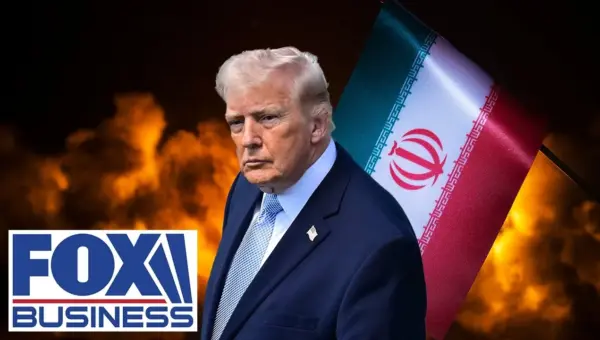
US Warns Iran: ‘Not Bluffing’ on Military Action
The U.S. is signaling a serious intent for military action against Iran if it continues to block the Strait of Hormuz. Meanwhile, the new DHS Secretary outlines a deportation plan focusing on felons and offering 'self-deportation' incentives.

Bombers Fly: US Readies Iran Strike Amid Escalating Tensions
U.S. bombers are airborne and positioned to strike Iran as President Trump's ultimatum nears its deadline. Amidst ongoing strikes targeting bridges and infrastructure, a senior Iranian leader was reportedly killed. The situation remains tense, with diplomatic efforts potentially altering the course of events.