Johnson Caves to Trump, Blocks TSA Funding Deal
House Speaker Mike Johnson rejected a bipartisan TSA funding deal after meeting with Donald Trump, sparking outrage and highlighting political gridlock. The decision leaves travelers facing long lines and workers struggling financially, raising questions about leadership and priorities in Washington.


Johnson Caves to Trump, Blocks TSA Funding Deal
Long lines and frustrated travelers have become a common sight at airports across the nation. Many TSA workers are struggling to make ends meet, with some reportedly selling plasma just to get by. This crisis at the Transportation Security Administration highlights a deeper problem in Washington: political gridlock and a failure of leadership.
Recently, a reporter confronted House Speaker Mike Johnson about the ongoing TSA crisis. The exchange revealed a stark contrast between a potential bipartisan solution and the political maneuvering that continues to block progress. It’s a situation that leaves many Americans asking: when will leaders finally agree on a path forward?
A Bipartisan Effort Derails
The Senate had reached a compromise to fund the TSA and parts of the Department of Homeland Security. This agreement, reached by senators from both parties, represented a step towards resolving the funding issues. It was a deal where both sides gave a little, aiming to put the needs of the American people first. This wasn’t just talk; the Senate passed the bill.
However, the situation took a sharp turn when Speaker Mike Johnson met with former President Donald Trump. According to reports, Trump instructed Johnson to block the bill in the House. Following this meeting, Johnson made it clear that the House would not pass the Senate’s compromise bill. This decision effectively killed the bipartisan effort.
Blame Game or Broken Promises?
The reporter pressed Johnson, stating that the vote in the House would extend the government shutdown. Johnson responded, asserting that House Republicans had already voted four times to fund Homeland Security. He argued that this was not a partisan blame game but a matter of record. He pointed to Democrats, suggesting they were the ones not funding TSA.
However, the sequence of events suggests a different story. The Senate’s compromise was a genuine attempt to find common ground. The decision to reject this compromise came after Johnson’s meeting with Trump. This raises questions about whose interests are being served: the public’s or political loyalty.
Historical Context: A Pattern of Paralysis
This isn’t the first time that funding for critical government functions has become a political football. In recent years, government shutdowns have become more frequent, often triggered by disagreements over spending and policy. These shutdowns disrupt services, hurt federal employees, and create uncertainty for the public.
The TSA, responsible for airport security, is a vital part of the nation’s infrastructure. When it’s underfunded or its workers are struggling, it impacts national security and the travel experience for millions. The reliance on short-term funding measures or the threat of shutdowns has become a regular feature of the political landscape, even though it causes significant disruption.
Why This Matters
The implications of this political standoff are significant. For travelers, it means longer wait times and increased stress at airports. For TSA workers, it means financial hardship and uncertainty about their jobs and pay. For the country, it signals a breakdown in effective governance, where political considerations seem to outweigh the public good.
This event highlights a critical question: who is truly in charge? Is it the elected representatives in Congress, or outside influences? When a bipartisan agreement, designed to help the country, is scuttled by the directive of one individual, it undermines the democratic process. It suggests that party loyalty or personal influence can override the needs of the nation.
Trends and Future Outlook
The trend towards increased political polarization and the willingness to use government shutdowns as a bargaining chip shows no signs of abating. This incident with Mike Johnson and the TSA funding is likely a preview of future battles. We may see more instances where legislative progress is held hostage by partisan demands or the influence of key political figures.
Moving forward, the challenge will be for leaders to find a way to prioritize the functioning of government and the well-being of its citizens over political point-scoring. The American people are tired of the blame game. They want solutions, not endless conflict. The question remains whether leaders like Speaker Johnson can break free from political pressures and truly lead.
Source: Reporter Confronts Mike Johnson on TSA Crisis #politics #fyp #new (YouTube)

Related Articles
Chicago Mayor: ‘Get Active!’ Against Trump’s Policies
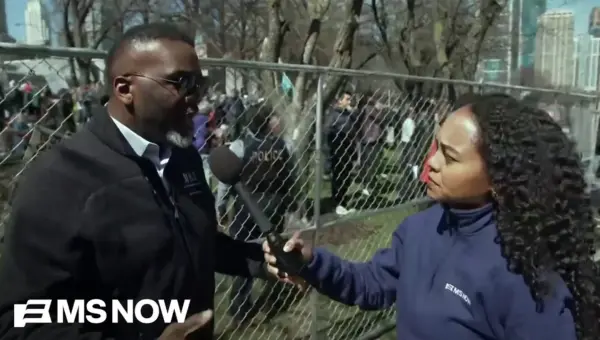
Chicago Mayor Brandon Johnson rallied residents against the Trump administration, urging them to "get active" to protect working people and immigrants. He highlighted city investments in affordable housing and public safety, stating Chicago is becoming the "safest, most affordable big city in America."
Trump’s Grip Loosens as Allies Question His Future
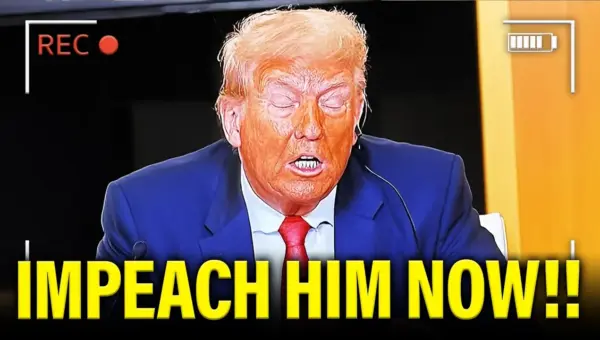
Recent events at CPAC show growing unease with Donald Trump, with some attendees applauding impeachment calls. Concerns about future prosecutions and declining economic approval ratings highlight potential shifts. Congressman Eric Swalwell critiques Trump's policies, advocating for domestic investment over foreign conflict.
Kennedy’s Vaccine Ruling Fuels Trump’s Firing Frenzy
A federal judge's ruling against Robert F. Kennedy Jr.'s vaccine authority may signal his impending dismissal from the Trump administration. Author Michael Wolf suggests this setback, combined with other administration struggles, could trigger a wave of firings.