Jobs Report Stuns Markets, Fed Faces ‘Paralysis’
Strong U.S. job growth defied expectations, showing economic resilience. This robust labor market has surprised employers and investors alike, but it also complicates the Federal Reserve's path forward. Analysts predict the Fed may remain 'paralyzed' by the data, potentially delaying interest rate cuts.

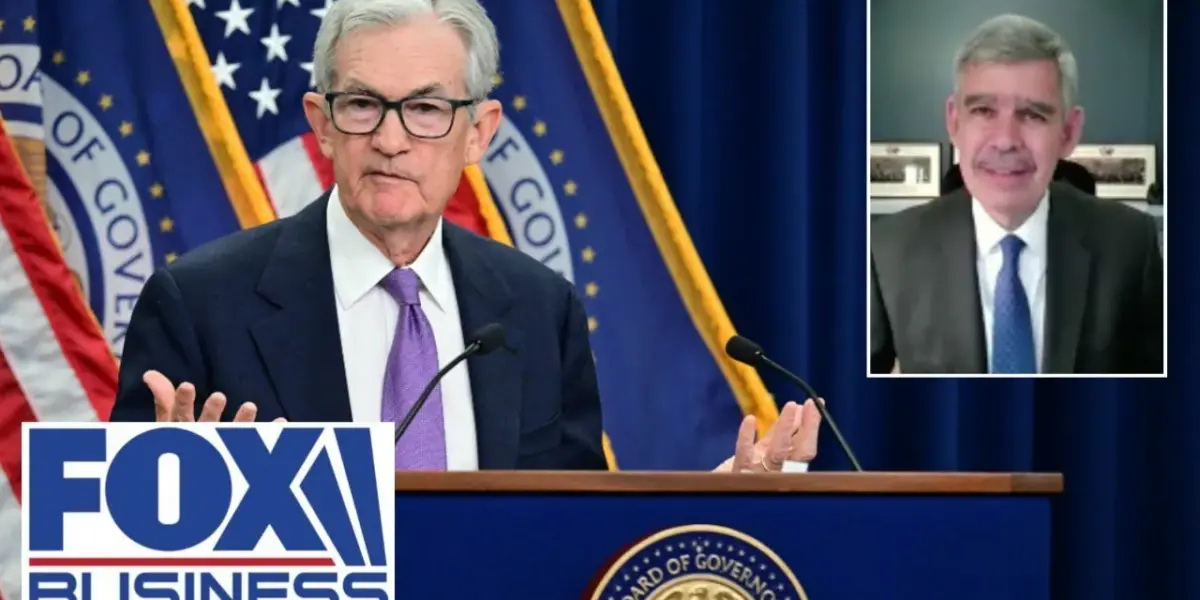
Strong Jobs Data Signals Economic Resilience, Fed Policy in Doubt
Recent economic data shows employers are hiring at a surprising pace, even as global conflicts unfold. This robust labor market has Wall Street buzzing but also raises questions about the Federal Reserve’s next move. The latest employment figures indicate a strong underlying economy, defying fears of a slowdown.
Hiring Continues Amidst Global Uncertainty
Employers demonstrated significant confidence by continuing to hire workers, even as geopolitical tensions rose. A substantial portion of this hiring occurred at the onset and during the early stages of the recent conflict. This suggests that businesses are not letting global events significantly deter their expansion plans.
Unemployment Falls, But Labor Participation Dips
The unemployment rate has decreased, which is positive news for workers and the broader economy. However, a notable decline in labor participation, meaning fewer people are actively looking for work, presents a mixed picture. While employers are finding workers, the shrinking pool of available labor could pose challenges down the line.
Immigration and Skill Gaps Impact Labor Supply
The U.S. has seen approximately 2 million people leave the country, many of whom were employed. This ‘self-deportation’ trend, along with other factors, has reduced the overall supply of workers. Experts suggest this emphasizes the need for skilled immigration and enhanced workforce retraining programs to meet the economy’s demands.
AI Revolution: Threat or Opportunity?
Concerns about Artificial Intelligence (AI) replacing jobs are growing, with some prominent voices warning of widespread job losses and societal disruption. However, historical economic transitions, from agriculture to manufacturing and information, show that technology often leads to higher productivity and new job creation. While there may be short-term job displacement, the long-term outlook suggests increased wealth and higher living standards. The growth in data center construction, surpassing office space spending, highlights ancillary benefits of the AI boom.
Federal Reserve’s Stance: ‘Paralyzed’ by Growth?
The Federal Reserve faces a dilemma. Strong economic growth often correlates with rising inflation, a concept known as the Phillips Curve. This relationship suggests that to control inflation, the Fed might need to raise interest rates. However, the current strength of the labor market, coupled with the potential for continued economic expansion, has led some analysts to believe the Fed may remain hesitant to act decisively. One expert predicts the Fed will be ‘paralyzed,’ stuck between a strong economy and fears of reigniting inflation, opting for inaction rather than rate hikes.
Market Reaction to Jobs Data
The futures market reacted swiftly to the jobs report, with a dip in stock prices. Investors interpreted the strong hiring numbers as a sign that the Fed might delay any potential interest rate cuts. This could also mean higher borrowing costs for businesses and consumers, as yields on government bonds tend to rise when rate cut expectations diminish.
Looking Ahead: Post-War Economic Boom?
Despite current global challenges, the underlying economic ingredients appear strong. A resilient labor market, favorable tax policies, and sound regulatory and energy policies (barring war-induced price spikes) set the stage for potential economic acceleration once international conflicts subside. Many believe that once the current global conflict ends, markets could experience significant growth.
What Investors Should Know
The latest jobs report paints a picture of an economy that is performing better than many expected. This resilience is a positive sign for long-term growth. However, it also complicates the Federal Reserve’s decision-making process regarding interest rates. Investors should be prepared for a potentially ‘frozen’ Fed, meaning interest rates might stay higher for longer than anticipated. The ongoing AI revolution presents both challenges and opportunities, with the long-term impact on productivity and employment still unfolding. The end of geopolitical conflicts could unlock further economic expansion, benefiting markets.
Source: This Fed will remain ‘paralyzed’: Expert makes prediction on future rate hikes (YouTube)

Related Articles


Jobs Surge: US Economy Roars Back with 178,000 New Hires
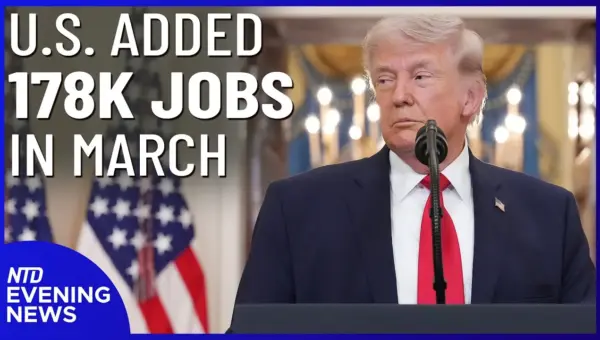
The US economy added 178,000 new jobs in March, a 15-month high and a strong rebound from February's losses. Key sectors like healthcare and construction drove the gains, while the unemployment rate dipped to 4.3%. This positive report sparks optimism about economic momentum.
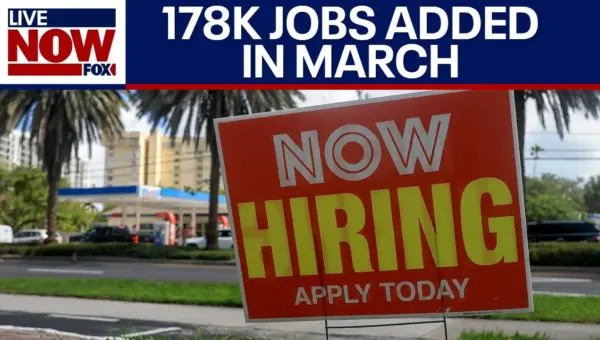
Jobs Surge in March, But Inflation Fears Loom Large
The U.S. economy added a robust 178,000 jobs in March, significantly exceeding expectations and signaling a strong rebound in hiring. However, this positive news is tempered by concerns over rising inflation and the economic impact of ongoing geopolitical conflicts, which could affect future job growth and consumer spending.
US Jet Downed Near Iran; Pentagon Eyes $1.5 Trillion Budget
A U.S. fighter jet was downed near Iran, leading to search efforts and strong presidential warnings. Meanwhile, the Pentagon is proposing a historic $1.5 trillion defense budget for 2027. The U.S. economy showed strength with a robust March jobs report, but a DHS shutdown continues.