Jobs Crisis: Trump’s Economy Faces Devastating Setback
The February jobs report reveals a shocking loss of 92,000 American jobs, marking the worst performance of the Trump administration. This data challenges optimistic economic narratives and raises critical questions about governance and policy. The analysis delves into media reactions, economic indicators, and the broader implications for the nation's financial future.

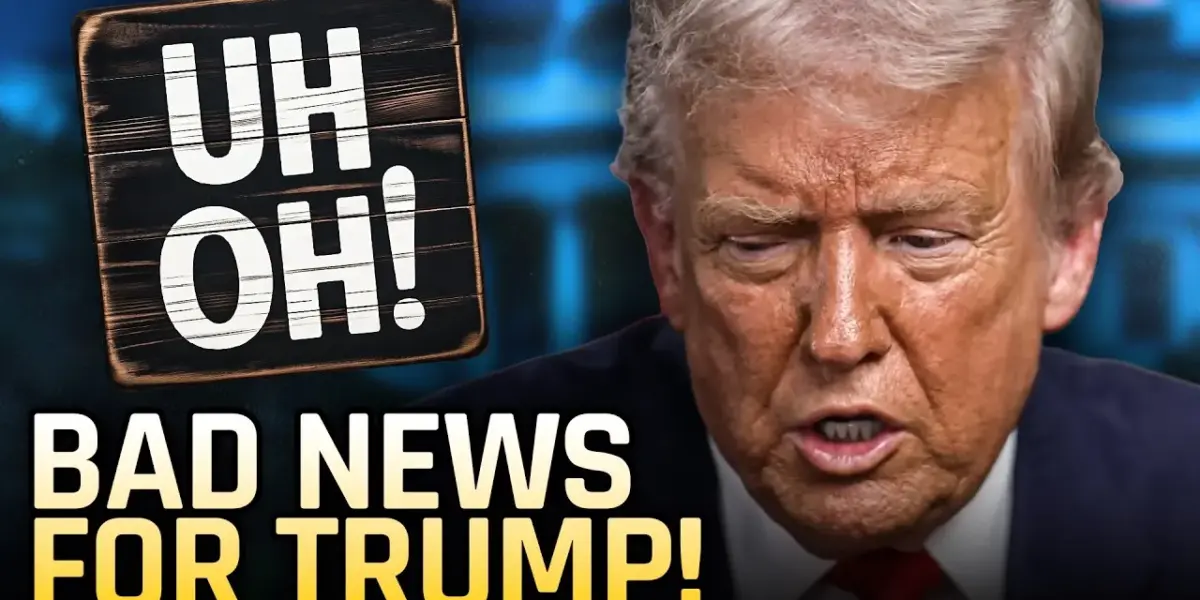
A Grim Economic Reality Emerges: The February Jobs Report Signals Trouble
The release of the February jobs report has sent shockwaves through economic and political circles, presenting what is being described as the worst jobs report of the entire Trump administration. This starkly contrasts with earlier optimistic pronouncements that suggested an economic turnaround. Just weeks prior, there were claims of stronger-than-expected job growth in January, fueling narratives of a booming economy under Trump’s leadership. Figures within the administration and some economists had touted signs of recovery, painting a picture of a nation ‘back and better than ever.’ President Trump himself had recently amplified this sentiment on social media, asserting that the United States was ‘hotter, bigger, better than ever.’ However, the February data paints a drastically different and concerning picture: a net loss of 92,000 American jobs in a single month.
The Shocking Numbers and Historical Parallels
The loss of 92,000 jobs in February alone is a significant figure, especially when viewed against the backdrop of previous administrations. The transcript posits a hypothetical scenario: had any previous administration, be it Democratic or Republican, overseen such a job loss in a single year, let alone a month, the political fallout would have been immense. The author suggests that calls for impeachment, and even criminal trials, would have ensued, driven by public outcry and media scrutiny demanding accountability for economic mismanagement. The question is raised: how will the current administration and its allies in right-wing media attempt to explain away or spin such a significant decline in employment?
Media Reactions and the Spectacle of Economic News
The analysis anticipates a predictable response from segments of the right-wing media. It is suggested that figures like Maria Bartiromo on Fox News, when confronted with negative economic data in real-time on air, often display a visible reaction of dismay. This reaction, the author contends, is not necessarily rooted in empathy for the newly unemployed, but rather a reflection of their alignment with the administration and a concern for its political standing. The transcript predicts that such moments of ‘real-time heartbreak’ will likely be highlighted by media outlets on the left, such as Mediite or Raw Story, and potentially shared by commentators like Aaron Rupar, turning the economic downturn into a spectacle of political performance.
Economic Indicators Beyond Jobs
The negative jobs report is not an isolated incident but is occurring alongside other troubling economic indicators. The stock market, a key barometer of economic confidence, is reported to be tanking. This confluence of factors suggests a broader economic fragility that the current administration’s policies may be exacerbating. The author draws a contrast with the post-COVID economic recovery under the Biden administration, which, according to the transcript, saw the economy’s engines ‘back running’ without such significant job losses.
Contextualizing the Losses: Avoidable or Inevitable?
A critical point is made about the timing and context of these job losses. The 92,000 jobs were lost in February, a month not immediately following the holiday season and, crucially, not during a declared recession or the pandemic. Furthermore, the transcript notes that this occurred before the onset of a major international conflict, suggesting a lack of significant external factors typically associated with widespread job losses. The Supreme Court’s decision to strike down tariffs midway through February is also mentioned, implying that even policy interventions aimed at economic stimulus or correction were in play. The conclusion drawn is that these job losses are not attributable to unforeseen external shocks but are a consequence of ‘bad management’ and a flawed approach to governance.
The Fallacy of Running a Government Like a Business
The transcript critiques the long-standing Republican philosophy of running the government like a business. While often touted as a more efficient and effective model, the author argues that it proves to be a ‘stupid idea’ when applied to the complex realities of a nation. The analogy of a business heading for bankruptcy, unable to liquidate its assets because it is a country, highlights the inherent limitations of this comparison. The implication is that placing a businessman at the helm of the nation, with a business-centric mindset, can lead to detrimental outcomes, a pattern the author claims has been observed in previous instances and is now repeating.
A Personal Plea for Economic Well-being
Despite the critical tone and the analysis of negative economic trends, the author expresses a profound personal sentiment: a desire to be wrong about the dire economic predictions. The piece concludes with a candid admission that being correct about economic failures means collective suffering. Conversely, being wrong would signify a thriving economy where everyone, including the author, benefits. This personal wish underscores the gravity of the situation and the author’s hope for a genuinely positive economic outcome, even while the current data points to a troubling trajectory.
Why This Matters
The February jobs report, detailing a loss of 92,000 jobs, represents a critical inflection point. It challenges the prevailing narrative of economic strength and raises serious questions about the current administration’s economic stewardship. The disparity between optimistic rhetoric and harsh economic reality necessitates a deeper examination of policy decisions, their implementation, and their impact on American workers. The analysis highlights the potential for political polarization to obscure or distort the interpretation of economic data, emphasizing the importance of objective analysis and accountability. The broader implications extend to consumer confidence, business investment, and the overall stability of the national economy. The trend suggests a potential reversal of any perceived economic gains and a move towards a more precarious financial future for many.
Implications, Trends, and Future Outlook
The immediate implication of such a significant job loss is a potential decline in consumer spending and confidence. Businesses may react by freezing hiring or initiating further layoffs, creating a negative feedback loop. The trend indicates a departure from the post-pandemic recovery narrative and suggests that underlying economic weaknesses are surfacing. The future outlook is therefore clouded with uncertainty. If the current trajectory continues, it could signal a recessionary period or prolonged economic stagnation. The administration’s ability to course-correct will be crucial. Future economic performance will likely depend on a recalibration of policies, a potential shift in global economic conditions, and the resilience of the American workforce and consumer base.
Historical Context and Background
Understanding the current situation requires historical perspective. Economic cycles of boom and bust are not new. However, the specific context of the post-pandemic recovery, coupled with geopolitical shifts and domestic policy decisions, creates a unique environment. The debate over fiscal and monetary policy, the impact of trade wars and tariffs, and the role of government intervention have been recurring themes in economic history. The transcript references the differing approaches of previous administrations, suggesting that the current challenges are not entirely unprecedented but are being met with a particular set of strategies. The Republican emphasis on deregulation and business-friendly policies, contrasted with Democratic approaches often favoring social safety nets and targeted investments, provides a backdrop against which current events can be analyzed.
Source: BAD NEWS For Trump After Terrible New Jobs Numbers Released (YouTube)

Related Articles

Trump Explores Iran Ground Troops Amid Wartime Flips
President Trump is reportedly exploring the deployment of U.S. ground troops into Iran, a development that contrasts sharply with his public demeanor. Critics point to his flippant remarks and the trivialization of war through social media content as signs of his unsuitability for wartime leadership during this critical period.

Trump’s Economy Crumbles: Profits Soar Amidst Public Hardship
New economic data reveals unexpected job losses and rising unemployment, starkly contrasting with official narratives. The analysis questions leadership priorities as reports indicate personal enrichment for the administration amidst public hardship.

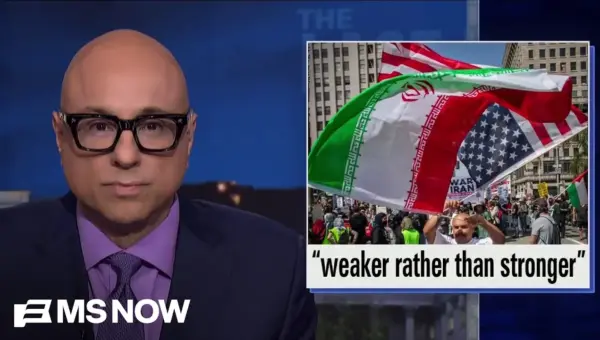
Trump’s War Sparks Public Outrage, Questions Nation’s Strength
President Trump's initiation of a war with Iran, lacking public support, has sparked widespread concern and damaged national morale. Critics argue the conflict is weakening the U.S. and is driven by a performative display of strength rather than strategic necessity.