Jimmy O. Yang Slams Paris, Praises Asia’s Food Scene
Comedian Jimmy O. Yang strongly criticized French food and the romanticized view of Paris, advocating instead for the vibrant culinary scene and modern appeal of Hong Kong and other parts of Asia. He argued for greater appreciation of Asian languages and cultures.

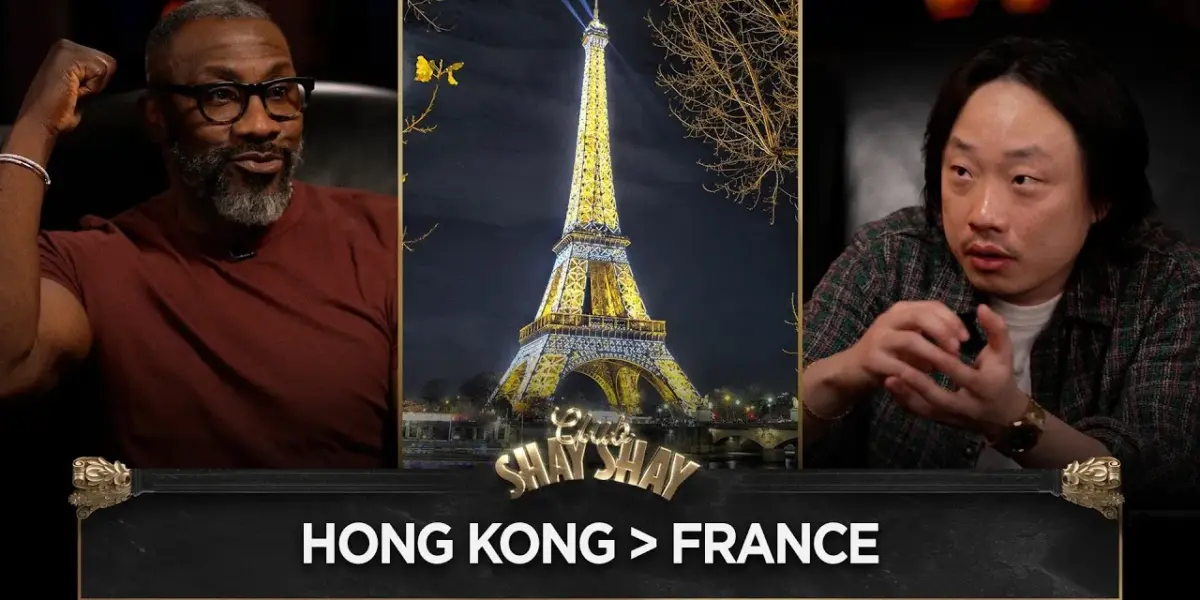
Jimmy O. Yang Disses French Cuisine, Champions Asian Flavors
Forget Paris and its iconic Eiffel Tower. Comedian Jimmy O. Yang is setting his sights on Asia, specifically Hong Kong, as the ultimate travel and food destination. In a recent discussion, Yang didn’t hold back, calling French food “sucks” and questioning why Chinese accents aren’t considered as romantic as Italian or French ones. He argued that while Paris has its charm with landmarks like the Eiffel Tower, it’s the vibrant culture and incredible food of places like Hong Kong that truly capture the imagination.
The ‘Sexy Accent’ Debate
Yang kicked off the conversation by questioning why Chinese accents aren’t perceived as sexy. “Why is Chinese accent not sexy?” he asked, contrasting it with the allure of Italian or British accents. He feels that Asian languages and accents are often overlooked in terms of their romantic appeal. This is a stark contrast to the global fascination with European languages and cultures, often romanticized through movies and travel narratives.
Paris vs. Hong Kong: A Culinary Clash
The comedian’s critique of French food was blunt. “Who gives a [expletive]? French food sucks,” Yang declared. He challenged the idea that anyone craves French food regularly, dismissing popular items like French toast and even French fries as not truly representative of French cuisine. He pointed out that French fries are an American invention, claiming they were “colonized” by the U.S.
Instead, Yang championed Asia, particularly Hong Kong, as a place with a rich culinary scene. He recalled shooting his comedy special there because he wanted to “put Hong Kong on the map.” He described it as a beautiful, international city where most people speak English, making it accessible for global audiences. The food, he insisted, is “some of the best you ever have in the world,” ranging from amazing street food to Michelin-starred restaurants.
Debunking Stereotypes About Asian Food
When faced with skepticism about the food in Asia, Yang pushed back against stereotypes. “See, this is bad stereotype, big man,” he stated, comparing it to making generalizations about certain ethnic groups. He explained that China alone boasts eight distinct regional cuisines, each offering a unique experience. Cantonese food, for example, is very different from the food found in Shanghai. He highlighted the variety, from modern fusion dishes to traditional Western-influenced Chinese food.
Yang specifically praised Hong Kong’s culinary offerings, mentioning Cantonese staples like wonton noodle soup, char siu (barbecued pork), and roast duck. He described the meticulous preparation and fresh ingredients that go into these dishes. He also touched upon Shanghai’s cuisine, noting dishes like braised pork and the famous hairy crab, which features a rich roe or “guts” that is mixed with noodles or rice.
He addressed the common misconception that all Asian food involves eating “weird stuff.” While acknowledging that some unusual items might exist in more remote areas of China, he stressed that these are not everyday staples for most people, especially in a cosmopolitan city like Hong Kong. He compared this to saying people in rural America eat unusual things, which doesn’t represent the entire country.
Asia’s Modernity and Infrastructure
Beyond food, Yang highlighted the modern infrastructure and convenience of traveling in Asia. He contrasted his experience in Los Angeles, which he described as “country” with “nothing here but cars and freeways,” to the efficiency of China’s high-speed rail system. He also marveled at the stunning restaurant designs and incredible service found in cities like Shanghai, suggesting that these elements contribute to an overall superior travel experience compared to expensive European cities with questionable food quality.
Chinese-American vs. Authentic Chinese Cuisine
The conversation also delved into the difference between authentic Chinese cuisine and its Americanized counterpart. Yang clarified that dishes like General Tso’s chicken and mu shu pork are actually Chinese-American food. He admitted to enjoying them, even calling Panda Express a different, enjoyable cuisine in its own right. However, he emphasized that this is distinct from the traditional flavors and techniques found in China.
He explained that in America, authentic Asian cuisine can be found in major cities with significant Asian populations, like parts of Los Angeles and New York. In less diverse areas, the food often caters to local tastes, leading to a significant difference from the original. He shared an anecdote about his friend trying miso soup for the first time and mistaking the tofu for cheese, illustrating the cultural differences and lack of exposure to certain foods.
A Call for Exploration
Yang concluded by urging people to give Asia a chance, rather than defaulting to popular destinations like Paris. He pointed out that many of the world’s top hotel chains, such as Peninsula, Mandarin Oriental, and Shangri-La, originate from Hong Kong, underscoring Asia’s influence and quality in the hospitality industry. His message is clear: explore beyond the familiar, challenge your perceptions, and you might discover incredible flavors and experiences that far surpass the clichés of traditional tourist hotspots.
“Who cares about Paris? Everyone wants to go to France. That’s what everyone else do. It’s the most busy.” – Jimmy O. Yang
Source: “F*ck the Eiffel Tower. … French food sucks.” – Jimmy O. Yang (YouTube)

Related Articles


Jimmy O. Yang Cries After Meeting Hero Dave Chappelle
Comedian Jimmy O. Yang shared a deeply emotional story about meeting his hero, Dave Chappelle, which left him in tears. He also discussed his new Hong Kong-based comedy special, 'Finally Home,' its theatrical release, and the importance of representation in comedy.

Government Shutdown Strains TSA, Sparks Airport Chaos
A recent government funding bill's passage hasn't immediately fixed widespread airport delays. TSA staffing shortages, caused by delayed paychecks from the shutdown, are leading to extreme wait times. Travelers face missed flights and frustration, while TSA workers question their job security.


Blacks and Asians Share Surprising Bonds
Comedians Jimmy O. Yang and Terrell Grison discuss the surprising commonalities between Black and Asian cultures, from shared feelings of being outsiders to different expressions of love and respect for elders. Their conversation highlights how friendship can bridge cultural divides.