Jet Fuel Shockwaves: Airlines Warn of Fare Hikes, Flight Cuts
Rising jet fuel prices, driven by conflict in the Strait of Hormuz, are forcing airlines to warn travelers of higher fares and fewer flights. This comes as TSA lines ease, but worker pay remains uncertain, highlighting broader instability.

Jet Fuel Shockwaves: Airlines Warn of Fare Hikes, Flight Cuts
Airlines are sounding the alarm about a potential surge in airfares and a reduction in flights. This warning comes as jet fuel prices have more than doubled. The major reason cited is the ongoing conflict in the Strait of Hormuz, which has effectively closed a critical global shipping route. This situation is forcing airlines to consider drastic measures that will likely impact travelers.
TSA Lines Ease, But Future Pay Remains Unclear
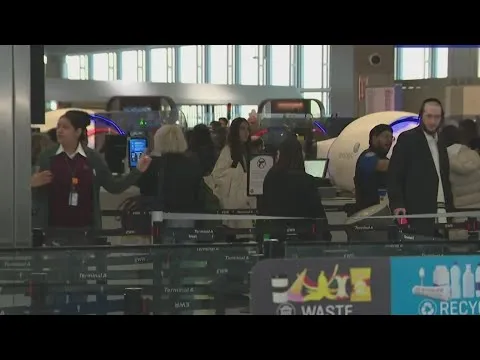
While the immediate crisis of long airport security lines appears to be easing, the underlying issues persist. Many Transportation Security Administration (TSA) workers, who had been working without pay since mid-February due to a government shutdown, are now receiving back pay. This has led to shorter lines at major airports like Newark Liberty International, Atlanta, LaGuardia, and Philadelphia. However, these workers still lack a permanent deal for future paychecks, creating uncertainty. Former TSA Administrator John Pistole noted that it will take time to establish a new normal for wait times and staffing. He predicts periods of long lines followed by periods of shorter waits.
The Ripple Effect of Rising Jet Fuel Costs
The most significant concern for airlines and travelers is the dramatic increase in jet fuel prices. These prices have more than doubled since the conflict began in the Strait of Hormuz. This vital shipping lane’s closure means fuel supplies are becoming scarce. Some airlines warn that their fuel reserves could run out within weeks. This scarcity directly translates to higher operating costs for airlines.
Consumer Impact: Higher Fares and Fewer Flights
Airlines are making it clear that these increased costs will be passed on to consumers. JetBlue has already announced plans to raise fees to offset fuel expenses. Passengers can expect to pay more for tickets as the busy summer travel season approaches. Beyond higher fares, airlines may also reduce the number of flights offered. This could lead to fewer travel options and schedule changes. A pilot speaking to NewsNation confirmed that airlines are actively looking for ways to manage these costs, even suggesting taxiing with fewer engines to save fuel.
Global Impact: Disrupting Travel and Trade
The situation highlights the interconnectedness of global security and daily life. The closure of the Strait of Hormuz, a chokepoint for roughly 30% of the world’s seaborne oil trade, has far-reaching consequences. Beyond air travel, it disrupts global supply chains and energy markets. The increased cost of transporting goods by air will likely affect the prices of many imported items. This geopolitical tension creates instability that affects economies worldwide.
Historical Context: Energy Routes and Economic Stability
Control over vital energy routes has historically been a source of international tension and conflict. The Strait of Hormuz has been a critical maritime passage for decades, linking oil producers in the Persian Gulf to global markets. Any disruption here has immediate and significant economic repercussions. Past incidents in this region have often led to temporary price spikes and diplomatic efforts to ensure safe passage. This current situation echoes those historical vulnerabilities, emphasizing the delicate balance of international trade and energy security.
Future Scenarios: Continued Volatility or Resolution?
Several scenarios could unfold. One possibility is that the conflict in the Strait of Hormuz continues, leading to sustained high fuel prices and the predicted fare hikes and flight reductions. Another scenario involves diplomatic intervention and a de-escalation of tensions, which could lead to the reopening of the shipping route and a stabilization of fuel costs. The likelihood of either scenario depends on complex geopolitical factors and the actions of regional and international powers. The upcoming summer travel season will be a critical test of the aviation industry’s resilience in the face of these challenges.
Source: Airlines warn fuel surge could hit fares, flights soon | Morning in America (YouTube)

Related Articles

US Weighs Troop Deployment Amid Iran Deal Push
The U.S. is considering deploying ground troops to Iran while simultaneously pushing for a diplomatic deal to reopen the Strait of Hormuz. Air strikes are ongoing as President Trump increases pressure on Iran.


Trump Weighs War Crime Threat Over Iran Strait
President Trump is reportedly willing to accept the continued closure of the Strait of Hormuz, despite earlier threats, signaling a shift in U.S. demands. This comes as gas prices surge and markets react negatively to the ongoing conflict. Conflicting messages from within the administration fuel confusion about the war's objectives and exit strategy.


Trump Faces ‘Irreversible Mistake’ in Iran Conflict
Experts warn President Trump could make an "irreversible mistake" in the Iran conflict, with few easy options for de-escalation. Potential strategies range from declaring victory to military action, each carrying significant risks. The situation also highlights the UK's diminishing global influence and domestic economic challenges.