Jesus’ Resurrection Story Shapes Global Faith
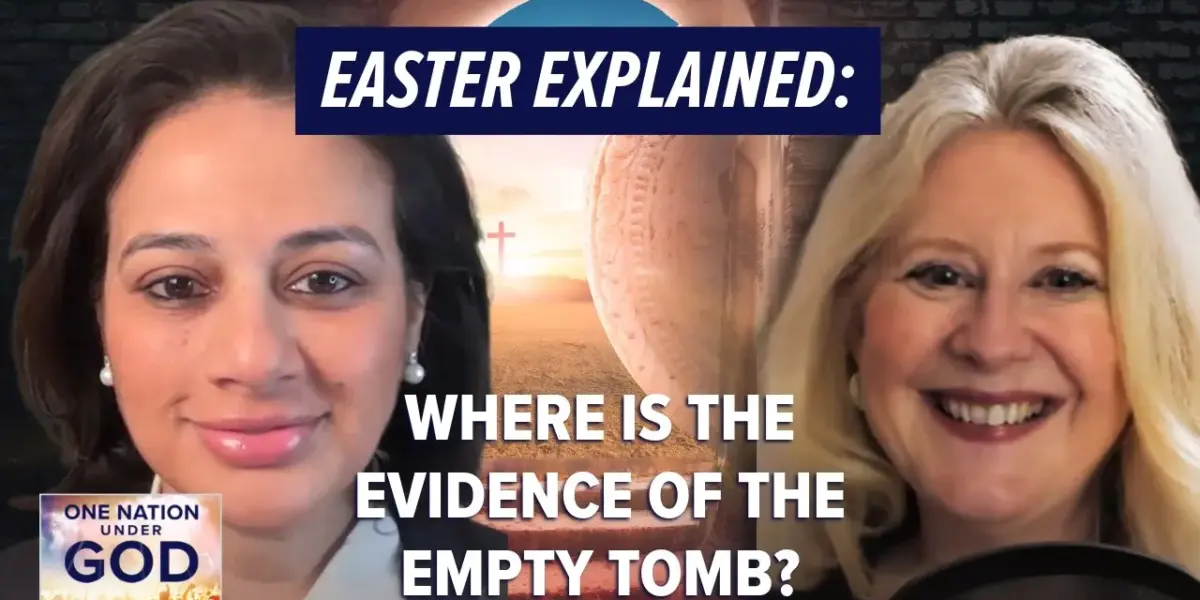
Professor Helen Bond discusses the historical and theological foundations of Jesus Christ's Resurrection. The conversation highlights the earliest accounts, the role of women as first witnesses, and the historical evidence supporting the event's impact.

Jesus’ Resurrection Story Shapes Global Faith
During Holy Week, a time of deep reflection for Christians worldwide, a discussion explored the historical and religious roots of Jesus Christ’s Resurrection. Susie Pinto, host of “One Nation Under God,” spoke with Helen Bond, a professor specializing in early Christian history at the University of Edinburgh. Their conversation focused on the earliest written accounts of the Resurrection and the crucial role women played as the very first witnesses to this central event in Christianity.
Earliest Accounts and First Witnesses
The discussion began by examining the very first written records of the Resurrection, highlighting their significance in understanding the event’s immediate impact. Professor Bond emphasized that the Gospels, particularly those of Luke and John, provide foundational narratives. A key point raised was the surprising inclusion of women as the first witnesses. In the historical context of the time, women’s testimony was often not given much weight in public or legal settings. Their role as the initial bearers of the Resurrection news, therefore, is seen as a powerful and perhaps unexpected aspect of the early Christian story.
The conversation touched upon specific biblical accounts, including the Road to Emmaus. This story, found in the Gospel of Luke, describes two disciples meeting Jesus after his Resurrection but not recognizing him at first. It highlights the gradual dawning of understanding and the profound impact of recognizing the risen Christ. The role of Mary Magdalene was also discussed, often seen as a pivotal figure and an early, devoted follower who played a significant part in the Resurrection narratives.
Historical Evidence and Impact
Professor Bond addressed the question of historical evidence for the Resurrection. While acknowledging the nature of faith-based events, she discussed how scholars examine the texts and the early spread of Christianity for clues. The rapid growth of the Christian movement in the decades and centuries following Jesus’ life is often cited as indirect evidence of a powerful, transformative event that motivated its followers. The disciples, initially scattered and fearful after Jesus’ crucifixion, transformed into bold preachers who faced persecution, a change the Resurrection narrative helps explain.
The discussion also looked at how Christianity spread over time, a journey that began in Jerusalem and expanded across the Roman Empire and beyond. The Apostle Paul’s conversion experience on the Road to Damascus was mentioned as a critical moment in the early church’s history, influencing his missionary journeys and the theological understanding of the Resurrection’s meaning. This event, a dramatic personal encounter, is seen as a turning point that helped shape the future of Christianity.
Resurrection in Context and Modern Faith
To provide broader context, the Resurrection story was compared to accounts of divine events or resurrections in other ancient religions. This comparison helps scholars understand the unique aspects of the Christian narrative within the religious landscape of the ancient world. The survival and preservation of ancient relics from that time were also briefly considered, touching on how physical objects can connect us to historical periods and events.
Professor Bond also shared her personal faith journey, offering a personal perspective on the historical and theological study of the Resurrection. The conversation concluded by looking at the contemporary religious revival, particularly among younger generations. This suggests that the core message of the Resurrection continues to resonate and inspire new believers today, demonstrating its enduring power across centuries. The discussion was part of a broader exploration of faith and its historical foundations, as seen in related content like “The Chosen Phenomenon.”
This exploration of the Resurrection during Holy Week offers a look at a foundational event that has shaped not only religious belief for billions but also influenced art, culture, and ethics for over two millennia. It highlights how ancient stories, examined through historical and theological lenses, continue to hold profound meaning and inspire faith in the modern era.
Source: Holy Week: Unpacking the story of the Resurrection of Jesus Christ | One Nation Under God (YouTube)

Related Articles


Pastor Calls Trump Comparison to Jesus ‘Grotesque’
A spiritual advisor's comparison of Donald Trump to Jesus Christ on Good Friday has sparked strong criticism from faith leaders. Commentators John Fugelsang and Rabbi Matthew Wertz discussed the teachings of Jesus in contrast to political rhetoric, emphasizing themes of humility, forgiveness, and the spiritual nature of his kingdom.


Actor Calls for Peace on Holy Week
Actor Jonathan Roumie, star of 'The Chosen,' urged prayers for peace and support for the needy this Holy Week. He highlighted the significance of Palm Sunday and the importance of deeper faith engagement beyond holiday services.
Pope Calls for Peace Amid Holy Week Tensions
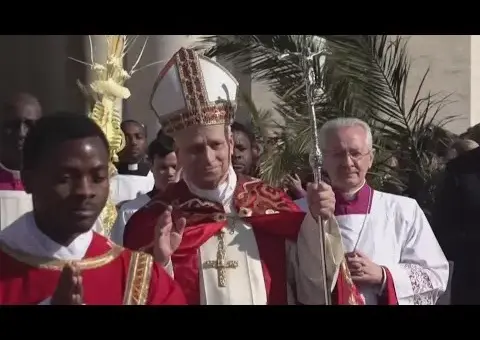
Pope Leo XIV called for an end to violence during his first Holy Week as pontiff, urging prayers for peace. The Vatican also reported that Israeli police restricted Palm Sunday ceremonies at the Church of the Holy Sepulchre in Jerusalem, drawing international comment.