Jeep Unleashes F1-Inspired Hurricane 4 Engine Power
Jeep's new Hurricane 4 engine is a technological marvel, bringing Formula 1-inspired features like Turbulent Jet Ignition to mainstream vehicles. This 2.0-liter turbo engine delivers an impressive 324 horsepower and 332 lb-ft of torque with remarkable fuel efficiency. It redefines performance expectations for a four-cylinder, offering a compelling blend of power and economy.

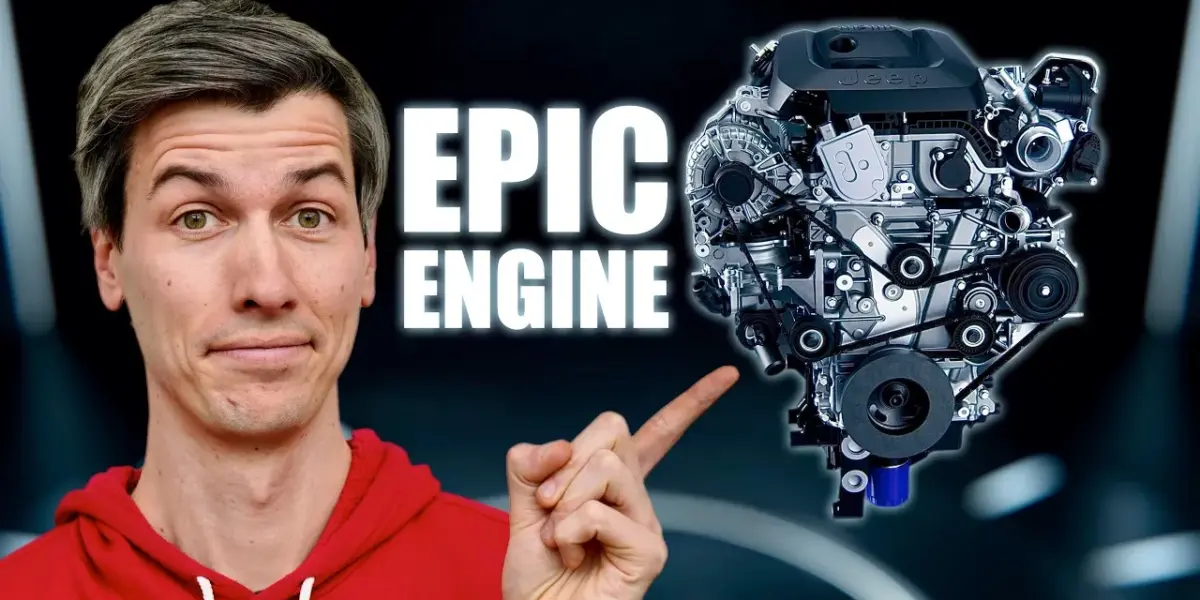
Jeep’s New Hurricane 4 Engine Redefines Performance and Efficiency
Jeep is making waves in the automotive world with its groundbreaking Hurricane 4 engine. This isn’t just another four-cylinder; it’s packed with advanced technology usually found in high-performance race cars. Jeep is bringing Formula 1-level engineering to mainstream vehicles, promising incredible power without sacrificing fuel economy. This engine is a testament to how far automotive technology has come, especially within the Stellantis family, which also includes Maserati.
Revolutionary Turbulent Jet Ignition Explained
At the heart of the Hurricane 4 is its innovative Turbulent Jet Ignition (TJI) system. Imagine a tiny combustion chamber within the main one, like a mini-engine inside your engine. This pre-chamber ignites the fuel first. Then, super-hot jets of burning fuel shoot out through small holes into the main chamber. This creates a faster, more complete burn. It’s like having a perfectly timed explosion that generates more power and uses less fuel. This system also helps prevent engine knock, allowing for more aggressive tuning.
The engine features two spark plugs per cylinder, plasma spray cylinder liners, dual fuel injection (both direct and port), electric cam phasing, and a variable geometry turbocharger. It even runs on the efficient Miller cycle, which optimizes how the engine breathes. Jeep engineers have fine-tuned every detail, from the size and number of holes in the pre-chamber to the precise timing of fuel delivery and ignition.
Performance to Amaze
The Jeep Hurricane 4 engine is a 2.0-liter, turbocharged inline-four powerhouse. It churns out an impressive 324 horsepower and 332 pound-feet of torque. This is a significant amount of power for an engine of this size, especially considering its focus on efficiency. For context, this engine makes nearly 70% more power than the old 4.0-liter inline-six found in the classic Jeep Cherokee XJ. It also significantly outperforms the V8 engines found in older Grand Cherokees.
Compared to Jeep’s current 2.0-liter turbo, the Hurricane 4 delivers 20% more power while using 10% less fuel. When compared to the Grand Cherokee’s 3.6-liter V6, the Hurricane 4 boasts more power, more torque, better fuel economy, and is about a full second quicker in the 0-60 mph sprint. The engine’s design allows for a high 12:1 compression ratio, which is remarkable for a turbocharged engine and contributes to its excellent thermal efficiency, estimated to be around 40.5% when producing 100 kW.
Inside the Engineering Marvel
The engine’s efficiency comes from a combination of advanced technologies. The Miller cycle, achieved by closing the intake valve early, improves efficiency by increasing the expansion ratio and reducing pumping losses. This means the engine works smarter, not just harder. The dual fuel injection system, using both port and direct injection, offers flexibility. At low loads and startup, it prioritizes quiet operation and catalyst heating. Under higher loads, it switches to direct injection for better performance and knock resistance.
The dual spark plugs also play a crucial role. The pre-chamber plug is always active, but the main chamber plug’s timing is adjusted based on engine load. At low loads, the main plug fires first for consistency. At higher loads, the pre-chamber plug leads the ignition. Under maximum torque demand, only the pre-chamber plug is used to prevent damage to the main plug from extreme heat and pressure.
The variable geometry turbocharger, a technology previously seen in high-performance cars like the 2006 Porsche 911 Turbo, allows for rapid turbo spool-up at low RPMs and efficient airflow at high RPMs. The turbo can produce a massive 35 PSI of boost pressure, though this peak is reserved for specific conditions like high altitudes or extreme temperatures where the engine needs to compensate for thinner air or heat.
Value and Target Buyer
While specific pricing and trim levels for vehicles featuring the Hurricane 4 engine were not detailed in the provided information, the implication is clear: Jeep aims to bring this advanced technology to a wider audience. The engine’s focus on both power and efficiency makes it a compelling choice for buyers who want exciting performance without crippling fuel costs. It represents a significant step forward for Jeep, offering a blend of rugged capability and cutting-edge engineering.
Verdict
Jeep’s Hurricane 4 engine is a triumph of modern engineering. By integrating technologies like Turbulent Jet Ignition and the Miller cycle, Jeep has created a four-cylinder that punches far above its weight. It delivers exhilarating performance, impressive efficiency, and a glimpse into the future of internal combustion engines. This engine is not just an upgrade; it’s a revolution for Jeep and a strong statement in the competitive automotive market.
Source: Jeep's New Hurricane 4 Engine Is Insane! (YouTube)

Related Articles


Modern Cars Lose Soul to Tech, Simulators Feel Real
Modern cars are becoming so advanced with technology that they are losing their authentic driving feel. Engineers are working with complex electromechanical systems and software, making cars safer but often less engaging. Surprisingly, professional driving simulators are now better at replicating the real-world driving sensation than many new vehicles.


BMW iX3: The Electric Future BMW Wants You to Embrace
The BMW iX3 is a crucial testbed for the brand's electric future, influencing upcoming models with its design and tech. While it offers impressive performance and a modern interior, its polarizing styling and high price tag are points to consider.


Lamborghini Revuelto Unleashes 1000 HP Hybrid V12
The Lamborghini Revuelto arrives as a groundbreaking hybrid supercar, merging a potent V12 engine with electric power for over 1,000 horsepower. It boasts blistering acceleration, advanced engineering, and a futuristic interior, setting a new standard for the brand's V12 legacy.