JD Vance’s Controversial Epstein Remarks Ignite Firestorm, Exposing Deep Fissures in Accountability and Trust
Senator J.D. Vance's recent remarks, accusing the 'far-left' of protecting sex offenders, have ignited a fierce debate, drawing accusations of hypocrisy. Critics highlight alleged cover-ups surrounding the Jeffrey Epstein files and controversial ICE operations during the Trump administration, prompting questions about political accountability and the erosion of public trust. The controversy underscores deep fissures in American politics regarding the rule of law and the selective application of moral outrage.

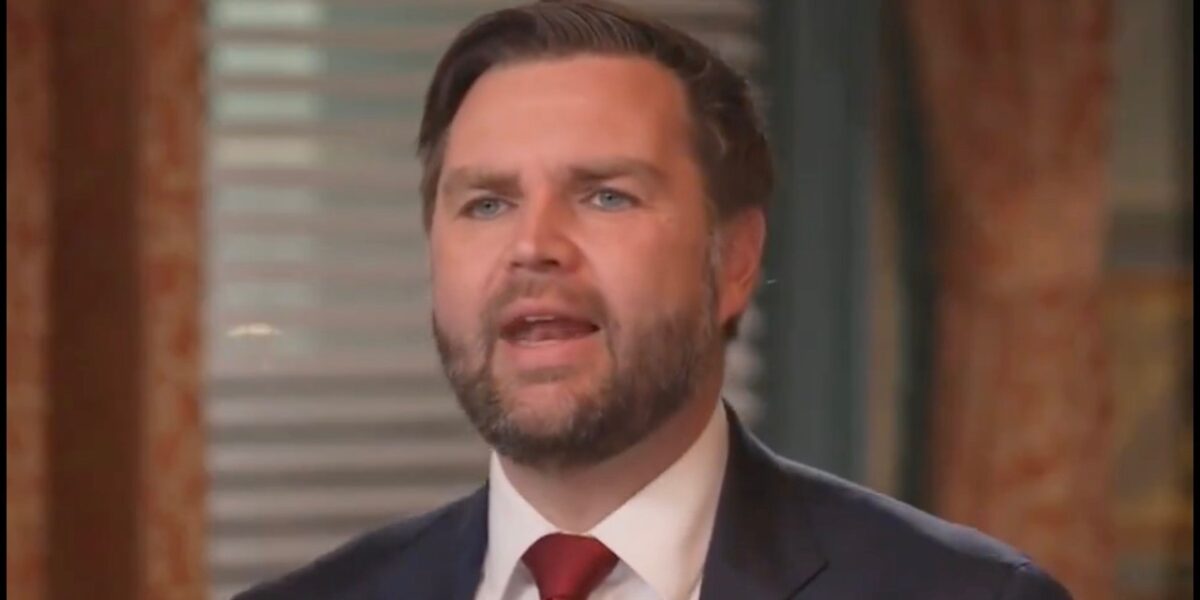
JD Vance’s Controversial Epstein Remarks Ignite Firestorm, Exposing Deep Fissures in Accountability and Trust
In a recent appearance on national television, Senator J.D. Vance (R-OH) ignited a significant political firestorm with comments aimed at the ‘far-left,’ accusing them of prioritizing ‘letting violent sex offenders stay on the streets of America.’ Vance’s remarks, intended to criticize opposition to immigration enforcement policies, quickly drew sharp rebukes, particularly from critics who highlighted what they perceive as profound hypocrisy given ongoing controversies surrounding the unsealed Jeffrey Epstein files and allegations of a high-level cover-up within the Trump administration, which Vance is associated with. The ensuing debate has laid bare deep divisions over political accountability, the integrity of law enforcement, and the public’s trust in institutions.
The immediate reaction to Vance’s statement was one of incredulity from many observers, who pointed out the perceived lack of ‘self-awareness’ in his accusation. Critics quickly drew a direct line between Vance’s condemnation of ‘sex offenders on the streets’ and the persistent allegations that the very administration he supports has been actively involved in obscuring the full scope of Jeffrey Epstein’s vast network of co-conspirators. This juxtaposition has fueled a broader discussion about political rhetoric, the selective application of moral outrage, and the enduring quest for truth in one of the most disturbing criminal cases in modern history.
The Shadow of Jeffrey Epstein: Unanswered Questions and Allegations of a Cover-Up
The Jeffrey Epstein scandal, marked by its chilling revelations of sex trafficking, abuse of minors, and connections to some of the world’s most powerful figures, has captivated and horrified the public for years. Epstein’s death in federal custody in 2019, ruled a suicide but widely questioned, only intensified calls for transparency and accountability for his alleged enablers and associates. The subsequent legal battles to unseal documents related to Epstein and his co-conspirator Ghislaine Maxwell have been viewed as crucial steps toward uncovering the full truth and ensuring that justice is served for his countless victims.
It is against this backdrop that Senator Vance’s comments have been scrutinized. Critics argue that his broad indictment of the ‘far-left’ for allegedly protecting sex offenders rings hollow when juxtaposed with what they describe as a pattern of obstruction and delay concerning the Epstein files during the Trump administration. The transcript highlights several specific allegations:
- Attorney General’s Unfulfilled Promise: A key point of contention is the claim that a year prior, the Attorney General in the Trump administration stated the Epstein files were ‘on her desk and ready to be released,’ yet they remained unreleased. This alleged delay fueled suspicions of deliberate foot-dragging.
- ‘Fake Binders’ and Misinformation: The mention of ‘right-wing influencers’ waving ‘fake binders’ suggests an attempt to control or manipulate the narrative surrounding the files, potentially diverting attention from legitimate inquiries.
- Political Pressure and Discharge Petitions: Allegations surfaced that figures like then-Congresswoman Lauren Boebert were summoned to the Situation Room to persuade them to withdraw their names from a discharge petition aimed at forcing the release of the Epstein files. This suggests direct White House intervention to prevent transparency.
- Marjorie Taylor Greene’s Alleged Revelation: Perhaps the most damning accusation comes from Congresswoman Marjorie Taylor Greene (R-GA), who reportedly detailed a phone call with then-President Trump. According to Greene, Trump expressed anger over her support for releasing the files, explicitly stating, ‘Marjorie, my friends will get hurt.’ This alleged statement, if true, would provide a direct link between the highest levels of the executive branch and a desire to protect individuals potentially implicated in the Epstein network, giving significant credence to claims of a cover-up.
- Missed Deadlines and Redactions: Further fueling public skepticism are reports that the Department of Justice missed disclosure deadlines by more than two months, with millions more files still unreleased. When files were eventually released, critics pointed out that victims’ names were exposed while those of alleged co-conspirators remained hidden, suggesting a deliberate effort to shield certain individuals.
These allegations, taken collectively, paint a picture of an administration allegedly prioritizing the protection of politically connected individuals over the pursuit of justice and transparency. The implications of such a cover-up are profound, suggesting a systemic failure to uphold the rule of law and a potential willingness to shield powerful elites from accountability for heinous crimes. For Senator Vance to then accuse political opponents of protecting sex offenders, while these allegations about his own political orbit remain unresolved, strikes many as a profound act of hypocrisy.
The ICE Debate: Enforcement, Ethics, and Eroding Public Trust
Beyond the Epstein controversy, Vance’s comments were fundamentally rooted in a defense of Immigration and Customs Enforcement (ICE) and a critique of those who protest its actions. His underlying argument, as interpreted by critics, was that opposition to ICE agents effectively aids ‘rapists stay on the streets.’ This framing attempts to cast immigration enforcement as an unalloyed good, directly targeting the ‘worst of the worst’ criminals.
However, this narrative faces significant pushback, particularly from those who argue that ICE’s operational realities have often deviated sharply from its stated mission. During the Trump administration, there was a pronounced emphasis on aggressive immigration enforcement, often touted as a means to remove dangerous criminals. Yet, critics contend that the agency’s actions frequently extended far beyond this stated goal, leading to a significant erosion of public trust.
Controversial Incidents and Civilian Casualties
The transcript highlights specific incidents that have become flashpoints in the debate over ICE’s conduct:
- Renee Good: The case of Renee Good is cited as an example of alleged excessive force. While some accounts suggest Good may have attempted to run over an ICE officer with her car, critics vehemently argue that such actions, even if true, do not justify lethal force, especially when less-than-lethal options might have been available. The claim that she ‘did not deserve to die’ underscores the perceived disproportionality of the response.
- Alex Prey: Alex Prey’s death also features prominently. Allegations suggest Prey was involved in a protest weeks prior, exhibiting some violence by ‘kicking out a tailgate.’ However, critics argue that this prior action, occurring ’11 days prior,’ does not provide justification for the use of deadly force in a subsequent encounter, particularly if he posed no immediate lethal threat at the time of his death. The debate revolves around whether law enforcement response was proportionate and necessary.
These incidents, and others like them, have led many to question whether ICE truly focuses on the ‘worst of the worst’ or if its operations have become overly broad and, at times, recklessly violent. Critics contend that images and accounts of ICE agents apprehending children, seniors, hardworking immigrants, and even American citizens contradict the narrative of a precision-focused agency targeting only dangerous criminals. When such tactics are employed, the ‘goodwill that the public would have afforded’ the agency diminishes rapidly.
The ‘False Choice’ and the ‘Feature, Not a Bug’ Argument
The speaker in the transcript rejects the notion that protesting ICE inherently means supporting criminals. Instead, they argue that public opposition often stems from a reaction to the agency’s actual conduct, rather than its stated mission. This highlights a critical distinction: the public judges law enforcement not just by its rhetoric, but by its observable actions and outcomes.
A particularly strong accusation made in the transcript is that ‘extrajudicial killing isn’t a bug. It is a feature of this administration.’ This provocative claim suggests that the use of lethal force, even in controversial circumstances, is not merely an unfortunate error but a deliberate tactic employed to ‘clamp down’ on dissent and ‘impose their will’ on the citizenry. Such an assertion, while highly inflammatory, reflects a deep-seated concern among critics that the federal government, under the previous administration, exhibited authoritarian tendencies, using law enforcement as a tool to intimidate and control rather than to serve and protect within established legal bounds. The label ‘fascists’ is invoked to underscore this perceived shift towards an authoritarian model of governance.
Political Hypocrisy: From Fearmongering to Embodying the Feared
A central theme woven throughout the criticism of Senator Vance and the broader Trump administration is that of profound political hypocrisy. For decades, many within the Republican Party have positioned themselves as staunch defenders of individual liberty, limited government, and a bulwark against what they often characterized as an overreaching, tyrannical federal government. This rhetoric has been a cornerstone of conservative political identity, appealing to fears of government overreach and the erosion of constitutional rights.
However, critics argue that the Trump administration, and those who align with it, have not only abandoned these principles but have actively embraced the very ‘tyranny’ they once ‘fearmongered about.’ The allegations surrounding the Epstein cover-up—where powerful ‘friends’ are allegedly shielded from justice—and the controversies surrounding ICE’s operational tactics—where citizens and non-citizens alike are subjected to aggressive, sometimes lethal, enforcement—are presented as stark examples of this reversal. The perceived willingness to use government power to protect allies and suppress dissent is seen as a betrayal of core conservative tenets.
This alleged hypocrisy extends to the promise of accountability for the ‘criminal cabal of pedophiles.’ Many conservatives, including those who rallied behind Trump, vocally demanded justice for Epstein’s victims and the exposure of his network. Yet, if the allegations of a cover-up are true, then the administration that vowed to hold these figures accountable instead became their ‘best friends,’ going ‘to the ends of the earth to protect these people.’
The political implications of such a perceived betrayal are significant. It challenges the integrity of political promises, erodes trust in political leaders, and highlights a potential shift in ideology where loyalty to a political leader or faction supersedes long-held principles. The anecdote from Marjorie Taylor Greene, where President Trump allegedly expressed concern that ‘my friends will get hurt’ if the Epstein files were released, serves as a powerful symbol of this alleged prioritization of personal connections over public accountability.
The Broader Stakes: Rule of Law, Transparency, and Democratic Health
The controversies swirling around Senator Vance’s remarks, the Epstein files, and ICE’s conduct are not isolated incidents; they touch upon fundamental questions about the health of American democracy, the rule of law, and the transparency of government. The public’s demand for accountability in the Epstein case is not merely about salacious details; it is about ensuring that no individual, no matter how wealthy or connected, is above the law. When there are credible allegations of political interference to protect such individuals, it strikes at the very heart of justice and equality.
Similarly, the debate over ICE’s enforcement tactics is not simply about immigration policy; it is about the appropriate use of state power, the protection of civil liberties, and the ethical boundaries of law enforcement. When an agency is accused of using disproportionate force or targeting individuals beyond its stated mission, it raises concerns about potential abuses of power and the chilling effect it can have on public participation and dissent.
The overarching theme of political hypocrisy further complicates these issues, suggesting that the very institutions and principles that are meant to safeguard society are being undermined by those sworn to protect them. In an increasingly polarized political environment, the ability of leaders to maintain credibility and earn public trust is paramount. When their words and actions are perceived as contradictory, it deepens cynicism and further erodes faith in democratic processes.
Conclusion: A Call for Accountability Amidst Deepening Distrust
Senator J.D. Vance’s seemingly off-hand comment about the ‘far-left’ protecting sex offenders has inadvertently opened a Pandora’s Box of unresolved controversies and accusations of deep-seated hypocrisy. From the unsealed Jeffrey Epstein files, rife with allegations of political interference and protection for the powerful, to the contentious operations of ICE, which critics argue have strayed from their stated mission and resulted in tragic outcomes, the debate underscores a profound crisis of accountability and trust in American politics.
The public, increasingly discerning beyond ‘propaganda videos,’ is demanding that leaders be judged not just by their rhetoric, but by their actions and the outcomes they produce. As long as questions persist about who is truly being protected in the Epstein scandal and whether law enforcement agencies operate with unchecked power, the chasm of distrust between the governed and their governors will only continue to widen. For Senator Vance and his political allies, the challenge remains to reconcile their public pronouncements with the perceived realities of their administration’s conduct, especially when faced with serious allegations of protecting the very ‘sex offenders’ they claim to oppose.
Source: JD Vance drops INSANE Epstein announcement (YouTube)

Related Articles


Iran Rejects Trump Ceasefire Offer Amid Escalating Regional Conflict
Iran has rejected a ceasefire offer from the Trump administration, escalating regional tensions and leading to U.S. casualties. The conflict, dubbed 'Operation Epic Fury,' has seen Iranian retaliatory strikes across the Middle East and disruption in the Strait of Hormuz.

Trump FBI Accused of Halting Epstein Probe in 2019
Newly released emails from the Jeffrey Epstein files indicate that the Trump administration's FBI ordered the NYPD to halt their 2019 investigation into Epstein. Further correspondence references a "murder" investigation into Epstein's death, contradicting the official suicide ruling and fueling demands for transparency.

DHS Website Listing Immigrant Crimes Called Out for Inaccuracies
A DHS website showcasing "Worst of the Worst" immigrants has been exposed by CNN for listing fabricated crimes, including one individual accused of cannibalism. The department initially blamed a 'glitch' but faces skepticism and accusations of defamation.