JD Vance Faces Iran Conflict Resolution Challenge
JD Vance is spearheading critical negotiations in Islamabad aimed at resolving the ongoing conflict with Iran. The mission faces significant hurdles, including Iranian demands and potential Israeli interference, all while the White House contends with domestic concerns over inflation and the rising cost of living.

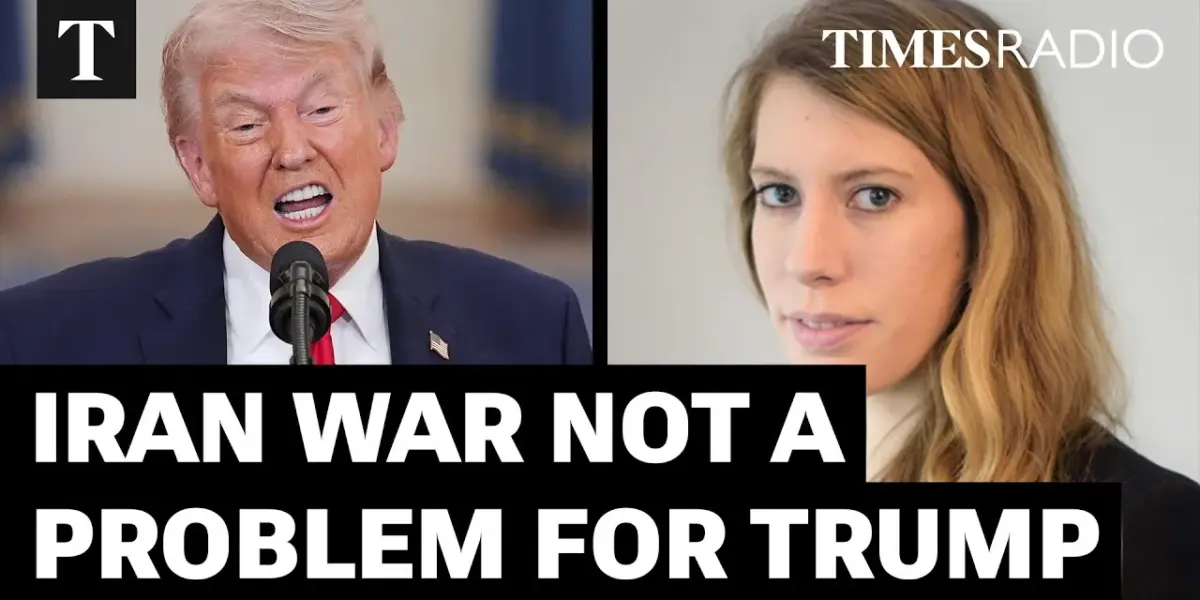
JD Vance Tasked With Resolving Iran Conflict Amidst Domestic Concerns
Washington Editor Katie Balls reported on the high-stakes diplomatic mission of JD Vance, who traveled to Islamabad to negotiate an end to the ongoing conflict with Iran. The White House hopes Vance can secure a lasting ceasefire, a task complicated by Iran’s demands and Israel’s potential role. This situation unfolds as the Biden administration faces domestic pressure over rising inflation and cost of living issues.
Hopes and Hurdles in Diplomatic Talks
The primary hope in Washington is that Vance can effectively bring the conflict to a close. This includes solidifying the recently agreed-upon ceasefire, which is already showing signs of strain. A key sticking point remains the Strait of Hormuz, which has not reopened as Donald Trump desired. Iran has indicated it requires certain concessions before substantive talks can begin. Meanwhile, Vance has warned Iran against negotiating in bad faith.
“The challenge of course is that you have the Iranians already saying they need certain things before talks can properly get underway. You have JD Vance warning the Iranians not to play the US.”
Adding another layer of complexity is Israel’s position. It remains unclear whether Israel will cooperate with U.S. objectives or potentially act in ways that could disrupt the peace process. These interconnected factors contribute to an environment of significant unpredictability surrounding the negotiations.
A Defining Moment for JD Vance
This diplomatic assignment represents a significant moment for JD Vance, who has reportedly been one of the less enthusiastic figures regarding the war’s initiation. Vance is known for his isolationist views and has previously spoken out against prolonged military engagements. His involvement is also notable because Iran has expressed a preference for negotiating with Vance over Donald Trump’s peace envoy, Steve Whit. This puts considerable pressure on Vance to deliver a successful outcome.
The White House and others appear to recognize that Donald Trump does not wish for the conflict to continue indefinitely. However, the success of Vance’s mission is far from guaranteed.
Domestic Pressures: Inflation and Voter Focus
While diplomatic efforts continue, the Biden administration is grappling with domestic challenges. Inflation figures released recently, particularly the rising costs of gas and flights, are beginning to impact average American voters. These economic concerns were a central theme the administration hoped to address and show improvement on leading into the November midterm elections.
Balls noted that many American voters are not closely following the intricate details of the Iran conflict. Instead, their attention is focused on immediate economic pressures. The administration’s ability to manage these domestic issues could significantly influence public perception of its overall performance.
“I think the problem the White House currently has is you look at, you know, inflation figures this week and and you can cut out bits and say, well, in the round X and Y, but certainly, you know, the price of the price of gas, the fact that we have a situation where, you know, the price of flights are going up and people are thinking back in the holidays is starting to bite.”
Potential Political Spin and Long-Term Strategy
If the conflict concludes successfully in the coming weeks, it could be framed as a positive achievement for the administration. There is a possibility it could be presented as evidence of decisive leadership and military strength. However, the longer the conflict persists, the greater the risk of it being viewed as a strategic loss. Military and political analysts are already questioning the long-term implications for the U.S.
The outcome of the current talks remains uncertain, and the long-term strategic consequences are still being assessed. The situation highlights the delicate balance between international diplomacy and domestic political realities.
Melania Trump Addresses Epstein Allegations
In a separate development, Melania Trump issued a statement denying any connection to Jeffrey Epstein. Reports suggest Donald Trump was aware of her intention to address the matter but may have been surprised by the format of her announcement. His team indicated he was aware she was growing frustrated with online rumors linking her to Epstein.
The press conference announcing her denial reportedly surprised many, with some attendees initially believing it was for a charity event. The situation has drawn renewed attention to the Epstein story. Some observers question whether this move is an attempt by Mrs. Trump to preemptively address potentially damaging information.
Looking Ahead
The coming days and weeks will be crucial in determining the success of JD Vance’s diplomatic efforts in Islamabad. Simultaneously, the Biden administration will be closely watching how inflation and cost of living issues play out domestically. The public’s perception of the administration’s handling of both foreign policy and economic concerns will be key factors moving forward.
Source: Trump Could Leave The Iran War Unscathed Domestically | Katy Balls (YouTube)

Related Articles

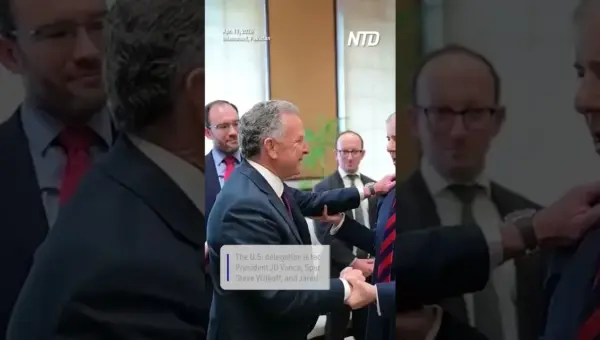
Vance Meets Pakistan PM Amid U.S.-Iran Tensions
U.S. Vice President JD Vance met with Pakistan's Prime Minister in Islamabad shortly before crucial U.S.-Iran talks. The meeting highlights Pakistan's strategic importance and ongoing diplomatic efforts in a sensitive region.
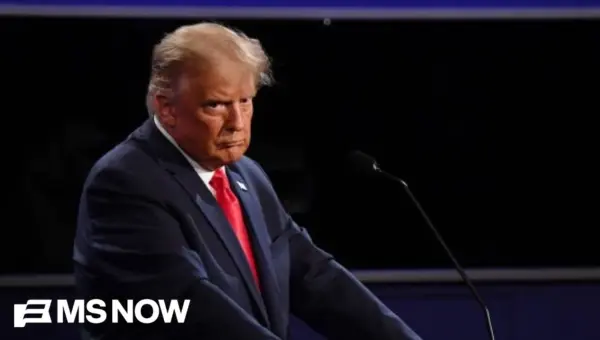
Trump’s Economic Promises Crumble Amidst Price Hikes
Donald Trump's economic promises are facing scrutiny as inflation and gas prices surge, contradicting his pledges of affordability. Polls reveal a significant drop in his approval among Republicans regarding his handling of prices, signaling a potential challenge to his political standing.
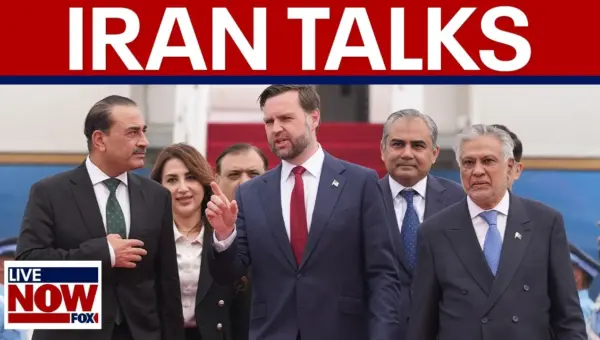
Vance Leads Peace Talks With Iran in Pakistan
Vice President JD Vance is leading a US delegation in Pakistan for crucial peace talks with Iran. The negotiations aim to de-escalate tensions following a period of heightened military activity. A key focus is the reopening of the Strait of Hormuz and preventing nuclear proliferation.