JD Vance Backs Hungary’s Strongman Leader Amid Election Woes
U.S. Senator JD Vance has actively supported Hungarian Prime Minister Viktor Orban in his re-election campaign. Orban, a leader in power for 16 years, faces criticism for his country's economic struggles and his government's use of propaganda, particularly concerning Ukraine and Russia.

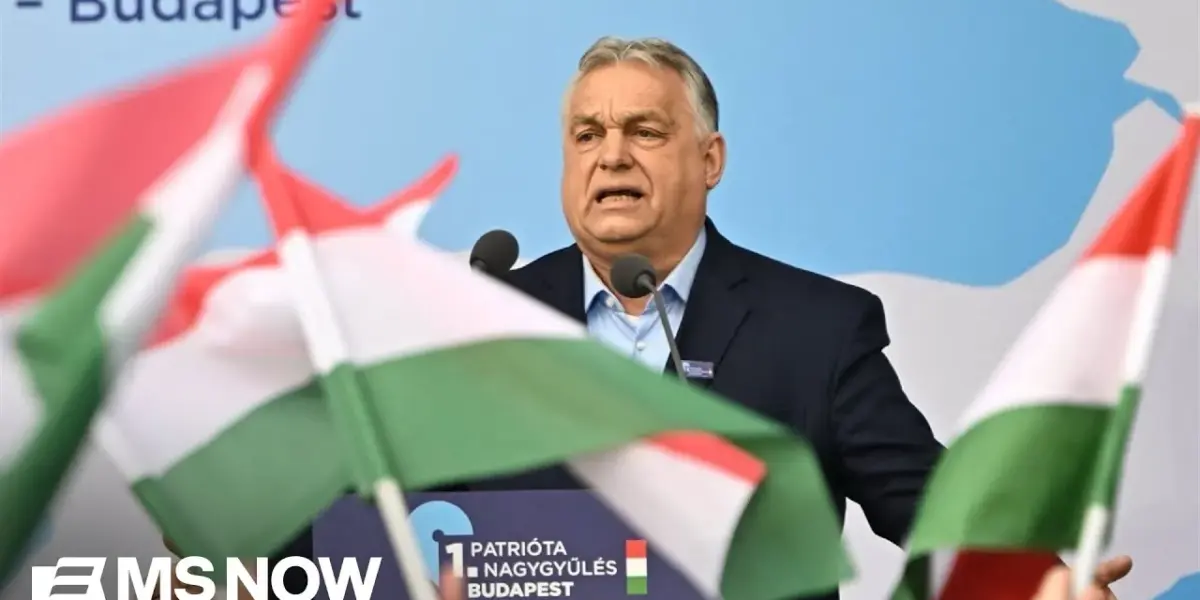
Vance Campaigns for Orban in Hungary’s Tight Election
U.S. Senator JD Vance traveled to Hungary to support Viktor Orban, the country’s long-serving leader, as he faces a challenging re-election bid. The campaign appearance highlights a growing alignment between certain American political figures and European strongmen. Orban, who has been in power for 16 years, leads a party now facing a tough contest in parliamentary elections.
Orban’s Grip on Power and Controversial Policies
Viktor Orban is often described as a “Trump before Trump” by those who admire him. He has steadily taken control of Hungary’s institutions since taking office. This included gaining influence over the media, the judiciary, and the bureaucracy. He has also changed the constitution multiple times to help him stay in power.
His government has relied heavily on Russian support, particularly through cheap oil. This relationship has drawn international criticism, especially given Russia’s invasion of Ukraine. Orban has met with Vladimir Putin numerous times, even flying to Moscow while Hungary held the European Union’s rotating presidency. The International Criminal Court has indicted Putin for war crimes.
“Post-Reality” Campaign Tactics
Ann Applebaum, a staff writer for The Atlantic, described Orban’s current campaign as the “first post-reality political campaign.” She explained that Orban is not focusing on Hungary’s domestic issues, like its high inflation, which reached nearly 25% at one point, or its failing healthcare system. Instead, his government is using propaganda to create a false narrative.
“He’s talking about Ukraine, and he’s telling Hungarians that Ukraine is going to invade them or attack them or sabotage them. It’s crazy. It’s not related to reality. It’s really him trying to create a false picture of the world in order to get people to ignore the disaster he’s created at home and vote for him.”
This tactic involves spreading fear and misinformation, including government posters that read, “Let’s not let Zelensky have the last laugh.” The government has also used violent videos depicting a Hungarian soldier being murdered to stoke fears of war.
Shifting Enemies and Political Strategy
Orban has a history of using external threats to maintain his support. In the past, he focused on migrants and, more recently, on LGBTQ issues. However, these tactics appear to be losing effectiveness. With these old enemies fading, Orban has shifted his focus to Ukraine.
Applebaum noted that Orban has used the vast resources of the Hungarian state and its media dominance to concentrate people’s attention on the idea that they might be at war. This strategy, she suggested, is his way of winning elections by making people afraid and distracting them from domestic problems.
Lessons for the American Right
The strategies employed by Orban have not gone unnoticed by political allies in the United States. Steve Bannon, a former advisor to Donald Trump, has openly called Orban a model. Trump administration figures have learned from Orban’s methods of capturing state institutions even while being democratically elected.
These tactics include taking over the bureaucracy and judiciary, and using business allies to control media narratives. These are tactics that some in the U.S. admire and are seen as being implemented in America. Vance’s support for Orban suggests a belief that Orban’s success is crucial for a broader authoritarian political movement.
The Challenge of Repairing Damage
If Orban loses the election, the incoming leadership faces a daunting task. The next prime minister, potentially Peter Magyar of the opposition, would inherit a hostile bureaucracy and media landscape. Reversing the damage done over 16 years would be a long and difficult process.
However, there are signs of hope. Recent leaks during the election campaign suggest discontent even within Orban’s party. Many Hungarians seem tired of the current situation and are looking for change. This internal dissent could provide an advantage for the opposition, though the deep-seated damage will likely take years to undo.
Source: Why Is JD Vance Trying to Bail Out Europe's Worst Autocrat? (YouTube)

Related Articles

Trump’s Rhetoric and Health Concerns Fuel Global Unease
Recent public appearances by Donald Trump have fueled concerns about his health and the aggressive nature of his rhetoric. His threats towards Iran, coupled with puzzling public statements and a focus on unusual topics, raise significant questions about his fitness for office and the potential impact on global stability and domestic policy.


VP Vance Champions Western Values, Peace in Hungary Visit
Vice President JD Vance visited Hungary, emphasizing shared Western values and condemning foreign election interference. He and Prime Minister Viktor Orbán discussed ending the Ukraine war through diplomacy and addressed European energy security. Vance also touched on critical negotiations with Iran regarding its nuclear program.

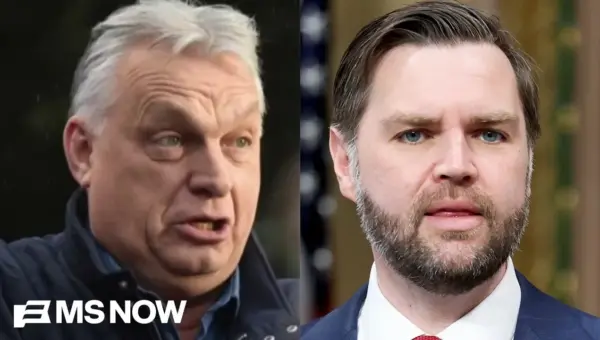
Republicans Silent as Vance Supports Orbán, Allies Worry
Commentators expressed outrage over Republican silence as Senator J.D. Vance supported Hungarian Prime Minister Viktor Orbán, a close ally of Vladimir Putin. The events highlight concerns about Donald Trump's impact on U.S. alliances and the erosion of traditional Republican values.