Japan Reclassifies China: A Bold Shift in Asian Diplomacy
Japan has downgraded China's status from a top partner to an "important neighbor" in its new diplomatic blue book. This reflects growing concerns over China's regional actions and Japan's desire to reduce its dependence on Beijing.

Japan Reclassifies China: A Bold Shift in Asian Diplomacy
Japan is changing how it sees China. For the first time in many years, China is no longer listed as one of Japan’s most important partners. A new government report, called the 2026 diplomatic blue book, downgrades China’s status. It moves from being a top partner to an “important neighbor.” This shows a clear shift in how Japan views its relationship with Beijing.
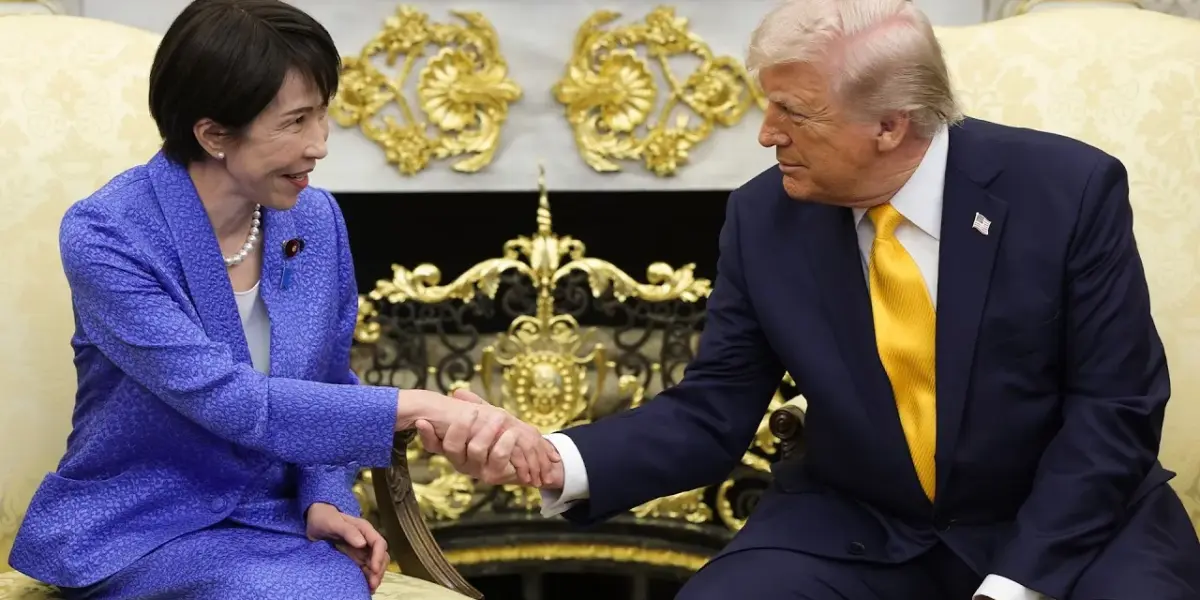
Despite this change, the report also states that Japan is still willing to talk with China. This idea was mentioned by Prime Minister Sen Takayichi. She spoke about this during a meeting with President Trump. She said Japan has always been open to talking with China. She also mentioned that Japan deals with China in a calm way. The Prime Minister also expressed hope that the relationship between the US and China would help regional safety and keep world trade flowing smoothly. She repeated that Japan is always ready for dialogue with China.
Concerns Grow Over China’s Actions
Japan’s Foreign Minister also shared worries during a trip to Washington. He met with Vice President JD Vance. The minister warned that China’s actions to change things in important areas like the Taiwan Strait, East China Sea, and South China Sea could affect the United States. The report notes that Japan has clearly shared these concerns with the US and other countries. This has helped Japan gain support from the international community.
Over the last four months, China has put pressure on Japan in several ways. This includes diplomatic, military, and economic pressure. In February, China placed limits on what Japanese companies could export. These limits targeted items that could be used for both civilian and military purposes, like rare earth minerals. Earlier, in January, China sent thousands of fishing boats into the East China Sea. They used these boats to create a kind of floating barrier. In December, Chinese military planes aimed radar at Japanese jets near Okinawa. This was seen as a very serious military action.
Another incident happened in November. A Chinese diplomat used social media to threaten Japan’s prime minister. This happened after the prime minister suggested Japan might get involved if China attacked Taiwan. China’s embassy also advised its citizens not to travel to Japan, claiming safety issues. These repeated unfriendly actions have made the relationship between Japan and China worse than ever before.
Looking Towards the Future
The new Blue Book describes the future relationship as “mutually beneficial.” This suggests Japan wants to rely less on China. China’s Foreign Ministry has strongly disagreed with the report. They blame Japan for the problems in their relationship. Japan’s ruling Liberal Democratic Party is reviewing the report. It is expected to be officially released in April after government approval.
Why This Matters
This decision by Japan is significant because it marks a clear change in how a major Asian power views a rising China. For years, China has been a crucial economic partner for Japan. However, China’s increasingly assertive actions in the region have made Japan rethink its strategy. Japan is trying to balance its economic ties with China while also ensuring its own security and the stability of the Indo-Pacific region.
Historical Context
Japan and China have a long and complex history. While they are close neighbors, past conflicts and current territorial disputes have often strained their relationship. For a long time, Japan focused on economic cooperation with China, seeing it as a key market and supplier. However, China’s military buildup and its actions in areas like the South China Sea have raised alarms in Tokyo and other regional capitals.
Implications and Future Outlook
Japan’s move could encourage other countries to reassess their own relationships with China. It sends a message that China’s behavior is having consequences. This could lead to a more unified front among countries concerned about China’s regional influence. The future relationship between Japan and China will likely involve more careful management and a reduced reliance on each other, especially for Japan.
Japan’s focus on being “mutually beneficial” suggests a desire for a more balanced partnership. This means Japan will likely seek to diversify its supply chains and reduce its dependence on Chinese goods and resources. This trend is already visible in other countries looking to reduce risks associated with over-reliance on a single nation. The diplomatic blue book’s update is a strong signal of Japan’s strategic thinking for the coming years.
Source: Japan Set To Downgrade China's Top Partner Status (YouTube)

Related Articles


G7 Allies Clash Over Iran War Strategy, Urge Focus on Russia
G7 foreign ministers met in Paris, revealing deep divisions over the U.S. war with Iran. European allies urged the U.S. to pressure Russia, linking its actions to the conflict and fearing support for Ukraine will wane.


US Must Block China’s Tech Access for Security
US national security experts are raising alarms about China's access to advanced AI chips, arguing it threatens strategic advantages. This, coupled with charges against Chinese entities for fentanyl precursor sales and a ban on foreign routers, signals a growing effort to prioritize security over business ties.


Iran Blocks China Ships, Exposing Beijing’s Weak Grip
Iran's recent decision to block Chinese ships at the Strait of Hormuz is exposing the limits of Beijing's influence in the Middle East. This action is causing delays and cancellations for Chinese manufacturers, turning a perceived geopolitical win into an economic strain.