Japan Deploys Missiles Near Taiwan, Escalating China Tensions
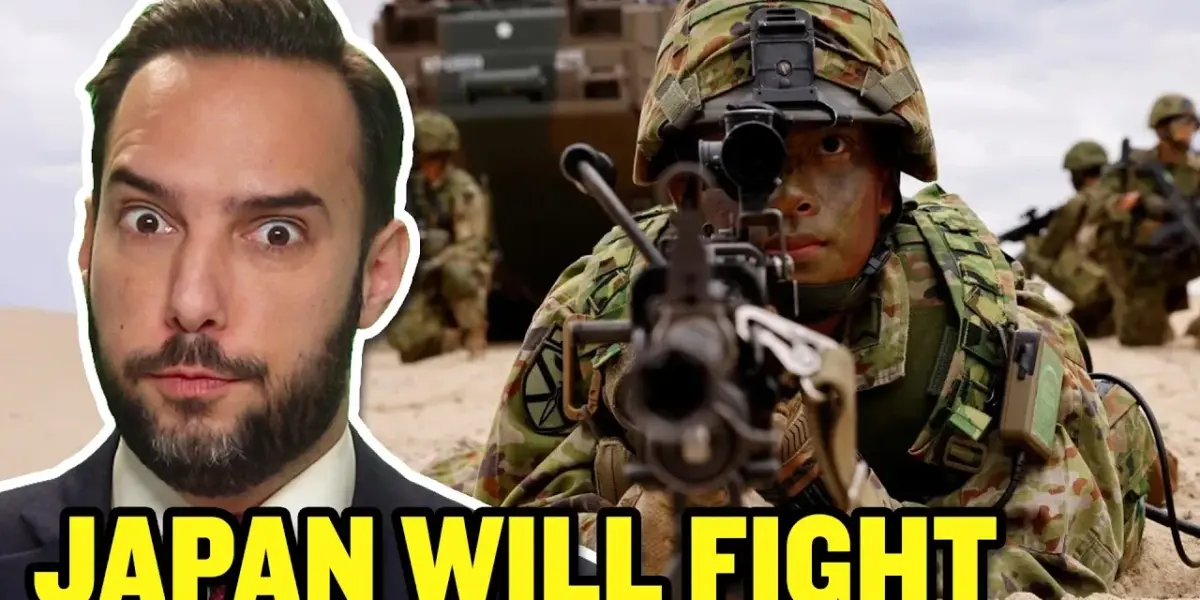
Japan is deploying medium-range missiles on Yonaguni Island near Taiwan by 2031, signaling a significant escalation in regional tensions with China. This move is part of Japan's broader strategy to counter perceived threats from Beijing and bolster its own defense capabilities in response to China's assertive actions.

Japan Deploys Missiles Near Taiwan, Escalating China Tensions
In a significant geopolitical development, Japan is bolstering its defense posture near Taiwan, a move that underscores the escalating tensions between Tokyo and Beijing. The announcement that Japan will deploy medium-range surface-to-air missiles on Yonaguni Island by 2031 marks a critical juncture, signaling a more assertive stance from Japan in the face of China’s growing assertiveness in the Indo-Pacific region.
Yonaguni Island: A Strategic Outpost
Yonaguni Island, situated at the southernmost tip of Japan’s territory, is a mere 68 miles east of Taiwan. Its proximity is so close that visibility between the two landmasses is possible under favorable conditions. The decision to station missiles capable of intercepting both ballistic missiles and warplanes on this strategically vital island is a powerful statement. It not only enhances Taiwan’s potential defense capabilities but also serves as a clear deterrent to any potential aggression from mainland China.
China’s Reaction and Historical Context
Beijing has historically been sensitive to any military developments near Taiwan, viewing them as provocations. This sensitivity was evident in November when China’s People’s Liberation Army (PLA) responded to a visit by Japan’s Defense Minister to Yonaguni by flying drones in the vicinity. This forced Japan to scramble its fighter jets, highlighting the delicate security balance in the region. China’s official response to such actions often involves accusations of Japan attempting to create regional tensions, a stance that observers note as lacking self-awareness given Beijing’s own military expansion and aggressive posturing.
A Timeline Solidifies Intentions
While the initial decision to deploy these missiles was made in 2022, the recent specification of a 2031 timeline provides a concrete commitment from Japan. This announcement arrives amidst a significant diplomatic spat between China and Japan, largely centered on Taiwan. Earlier, Japanese Prime Minister Fumio Kishida stated that Japan’s Self-Defense Forces might be compelled to intervene if China attacks Taiwan, citing Japan’s own national security interests. This statement, driven by concerns that an invasion of Taiwan could threaten U.S. military bases in Okinawa, drew a sharp rebuke from Beijing.
Beijing’s Retaliation and Japan’s Resolve
China’s reaction to Kishida’s remarks was swift and multifaceted. It included advising Chinese citizens against traveling to Japan, canceling Japanese cultural events in China, imposing export restrictions on dual-use items, including rare earth minerals, and, in some instances, employing inflammatory rhetoric. Despite these pressures, Kishida’s party and its allies secured a significant victory in a subsequent snap election, reinforcing Japan’s resolve. Most recently, China further escalated tensions by restricting exports to an additional 40 Japanese entities, citing national security concerns. The announcement of the missile deployment timeline on Yonaguni Island, made just a day after these latest Chinese restrictions, can be seen as a direct response, turning China’s own stated security concerns into a tangible reality for Beijing.
Geopolitical Implications and Future Outlook
The deployment of missiles on Yonaguni Island is part of a broader strategic shift in Japan. Prime Minister Kishida has signaled a potential revision of Japan’s post-war constitution to enhance its defense capabilities. While the specifics and feasibility of such constitutional changes remain uncertain, the consistent messaging from Tokyo, coupled with the concrete defense measures, clearly identifies China as Japan’s primary national security threat. This strategic alignment is expected to be a key topic during Kishida’s upcoming visit to the United States, especially as the U.S. seeks to increase defense spending among its allies.
The United States, a key ally of both Japan and Taiwan, is likely to respond positively to Japan’s enhanced defense posture. This could translate into increased arms sales to Taiwan and Japan, as well as a greater U.S. military presence in the region. However, the urgency of the situation cannot be overstated. The Pentagon has warned of China’s potential readiness to invade Taiwan as early as next year. This timeline suggests that Taiwan may not have the luxury of waiting for Japan’s long-term defense initiatives to fully materialize.
Furthermore, China’s strategic calculus is complicated by external factors. The potential disruption of its access to cheap Iranian oil poses a significant challenge to its military readiness and economic stability. Coupled with the demonstrated resilience of Taiwan’s defenses and the potential for a united international response, Beijing may face a more daunting prospect than initially anticipated.
Why This Matters
This development is crucial for several reasons. Firstly, it signifies a departure from Japan’s historically pacifist post-war stance, reflecting a significant recalibration of its national security strategy in response to perceived threats from China. Secondly, it escalates the potential for direct military confrontation in the Taiwan Strait, transforming the region into a more volatile flashpoint. Thirdly, it underscores the growing interconnectedness of regional security, where actions taken by one nation have immediate and significant repercussions for its neighbors and global stability. The decision to place missiles near Taiwan is not merely a defensive measure; it is a bold geopolitical statement that will undoubtedly shape the future of East Asian security dynamics and influence the global balance of power.
The situation remains fluid, with the potential for miscalculation or escalation ever-present. Japan’s proactive defense measures, while aimed at deterring aggression, also raise the stakes in an already tense geopolitical environment. The coming years will be critical in determining whether these strategic deployments contribute to stability or inadvertently push the region closer to conflict.
Source: Japan is Putting Missiles Near Taiwan (YouTube)

Related Articles


US Mulls Iran Ground Troops, Draft Amid Escalating Tensions
The White House is reportedly considering extreme military options against Iran, including the potential deployment of ground troops and even a military draft. Retired Colonel Jack Jacobs expressed skepticism about a draft but discussed limited scenarios for special forces raids.


Israel’s Two-State Solution Hopes Fade Amidst Conflict
The two-state solution for the Israeli-Palestinian conflict is reportedly no longer a serious consideration in Israeli politics, according to Josh Glancy of The Sunday Times. Recent events and political shifts have accelerated this trend, while economic concerns mount over potential energy price shocks.
Iran Nears Nuclear Threshold Amid Heightened Global Tensions
Iran is closer than it has been in decades to acquiring a nuclear weapon, having mastered uranium enrichment technology and stockpiled significant amounts of 60% enriched uranium. While intelligence suggests no current order to weaponize, Tehran's capability poses a growing concern amid heightened global tensions.