Jan. 6 Rioters Sue U.S. Over Force, Seek Millions
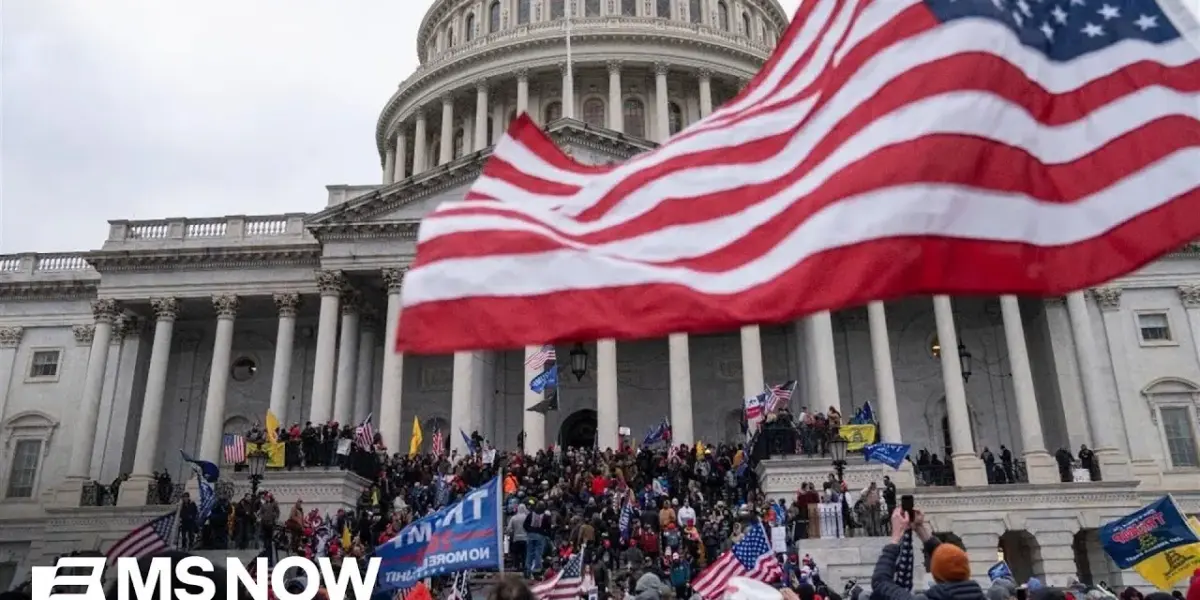
Individuals involved in the January 6th Capitol riot are suing the U.S. government for millions, alleging excessive force by law enforcement. These lawsuits come amid concerns about a lack of vetting for pardoned rioters, some of whom have since been convicted of serious crimes like child sexual abuse.

Capitol Attackers Sue Government
Several individuals who participated in the January 6th Capitol riot are now suing the federal government. They are seeking millions of dollars, claiming that law enforcement used excessive force against them. This legal action follows a pattern of rioters attempting to reshape the narrative of the events that day and re-enter public and legal discussions.
Legal Strategy and Political Ties
Experts suggest these lawsuits are part of a broader strategy by rioters to present a different story about January 6th, one that downplays the violence and chaos. With a supportive former president who has pardoned many involved, these individuals feel empowered to challenge the official account. They may believe that a sympathetic Justice Department could lead to favorable settlements, similar to cases involving other Trump allies.
“Essentially what litigants have discovered here is that they can shake down the Justice Department for a payment out of taxpayer dollars if they are viewed as allies or supporters of the president.”
The ‘Reasonable Officer’ Standard
Lawyers explain that these lawsuits face a high legal bar. The core of the claim is excessive force, which is judged by whether officers reasonably believed the force was necessary to control a mob attempting to violently enter the Capitol. Most legal experts doubt a jury would find the officers’ actions unreasonable in such a chaotic situation. However, the hope for the plaintiffs may lie in the possibility of a settlement with the Justice Department, avoiding a full trial.
Settlements and Taxpayer Money
A similar situation occurred with the family of Ashley Babbitt, who was shot and killed while trying to breach the Capitol. The Justice Department settled that case out of court, paying her family money. This was seen not as an admission of liability by the officer, but rather a strategic decision to avoid further legal battles. The current lawsuits appear to be leveraging this precedent, seeking financial payouts from taxpayer funds.
Lack of Officer Misconduct Findings
Despite the lawsuits, investigations into the events of January 6th have not revealed widespread findings of misconduct or excessive force by individual officers. While the Capitol Police acknowledged operational mistakes and issues with command-level response and preparation, disciplinary actions or findings of excessive force against specific officers have been rare.
Pardons and Troubling Histories
Adding a disturbing layer to the post-January 6th legal landscape, reports have emerged about pardoned rioters facing new charges. One individual, Daniel Rodriguez, who was pardoned by President Trump for his role in the Capitol riot, was later sentenced to four years in prison. This sentence was for possessing over 100,000 child sexual abuse images and videos found during the investigation into his Capitol actions.
Concerns Over Vetting Process
This situation highlights significant concerns about the vetting process for presidential pardons. It appears that individualized reviews to screen out individuals with serious criminal histories or dangerous tendencies were not adequately conducted. Quick research has identified at least 22 pardoned January 6th rioters with past offenses including child exploitation, sexual assault, domestic violence, battery, and stalking.
A Chilling Pattern
Another pardoned rioter, Andrew Johnson, was recently sentenced to life in prison for sexually abusing two children and attempting to bribe them to remain silent. These cases illustrate a deeply troubling pattern. Granting pardons without thorough, individual scrutiny risks allowing individuals with severe criminal backgrounds to escape accountability, potentially enabling further harm. This raises serious questions about the integrity of the pardon process and its broader implications for public safety.
Looking Ahead
The ongoing lawsuits by January 6th rioters against the federal government will likely continue to draw scrutiny. Attention will be on how the Justice Department handles these cases, especially in light of potential political influence and the precedent set by previous settlements. Furthermore, the revelations about the criminal histories of some pardoned individuals underscore the need for more rigorous vetting in future pardon considerations.
Source: Jan. 6 rioters sue federal govt. for millions, alleging police used excessive force (YouTube)

Related Articles

MAGA Movement’s Grip: Echoes of January 6th Persist
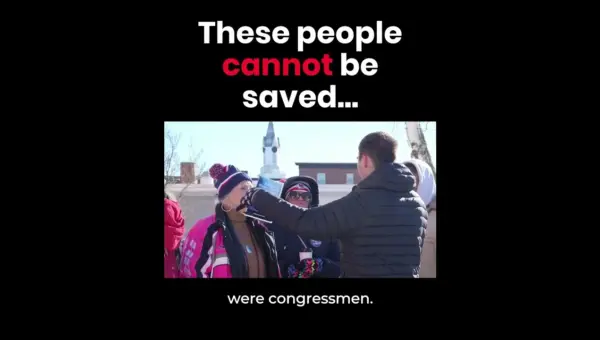
Audio from January 6th reveals a disturbing justification for the actions of Ashli Babbitt, highlighting the persistent and troubling narratives within parts of the MAGA movement. This mindset continues to pose challenges to democratic norms.
DOJ Faces Lawsuit Over Survivor Data Breach
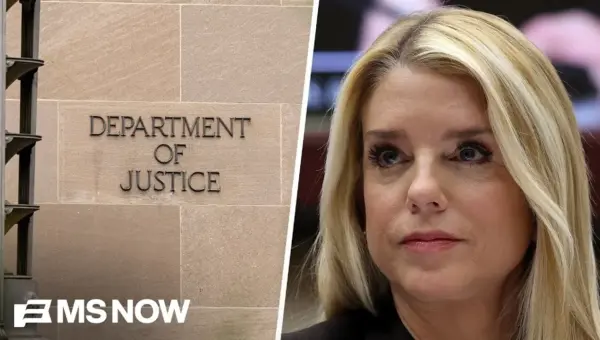
The Department of Justice is facing a class action lawsuit for allegedly releasing personal data of over 100 survivors. Experts discuss the legal challenges and the broader need to rebuild trust and integrity within the DOJ.

DOJ Antitrust Division Faces Watergate-Level Corruption Allegations
Matt Stoller warns of Watergate-level corruption within the DOJ's antitrust division, arguing corporate influence drives up costs and inequality. He believes public anger and legal actions are key to accountability, drawing parallels to past scandals. The fight for affordability is central to exposing this alleged corruption.