Jan. 6 Plaque Unveiled After 3-Year Delay, Critics Call It ‘Disgraceful’
A plaque honoring officers who defended the U.S. Capitol on January 6, 2021, was finally installed after a three-year delay. Critics have called the delay and the quiet, early-morning installation 'disgraceful' and politically motivated.

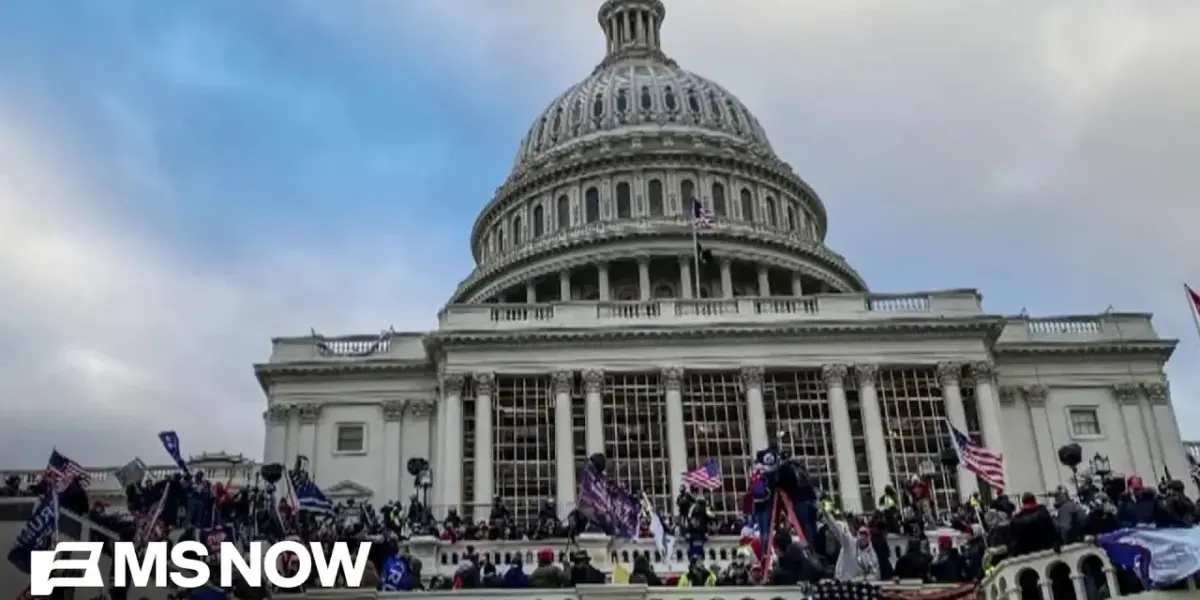
Capitol Plaque Honoring Jan. 6 Officers Finally Installed After Years of Controversy
A bronze plaque commemorating the law enforcement officers who defended the U.S. Capitol during the January 6, 2021, insurrection has finally been installed, but only after a three-year delay that has drawn sharp criticism from lawmakers and observers. The plaque, which honors the bravery of officers who fought off rioters, was quietly placed near the Capitol’s west front entrance in the early morning hours of Saturday, a location that witnessed some of the most intense clashes during the attack.
A Mandate Delayed: The Long Road to Installation
The installation of the plaque was mandated by Congress, with an initial target for completion in 2023. However, the process was significantly stalled, leading to accusations that political considerations and fear of alienating certain factions within the Republican party were responsible for the hold-up. The plaque itself lists nearly two dozen local, state, and federal law enforcement agencies that responded to the Capitol on January 6th. It also includes a QR code that provides access to the names of thousands of officers who answered the call that day.
Critics Decry ‘Disgraceful’ Delay and Secrecy
Commentators and critics have expressed outrage over the lengthy delay and the manner of the plaque’s installation. “It’s disgraceful,” stated one observer, lamenting that the plaque was installed around 4 a.m. on a Saturday, suggesting an attempt to avoid public acknowledgment or fanfare. “No, it’s almost as if they were ashamed to actually stand up in the light of day and pay tribute to Capitol Hill police officers who gave their all that day.” The sentiment suggests that political leaders were hesitant to honor the officers for fear of offending former President Donald Trump and his supporters.
“The fact that they were ashamed to put up a plaque in the United States Capitol honoring these police officers that, get this, fought the mob to save the members’ lives. And these members, while the cops weren’t afraid to risk it all to save these members’ lives, these politicians were too scared to even put up a plaque in the light of day, honoring those who fought to save their own lives.”
Political Hesitation and Accusations Against Leadership
Specific criticism has been leveled against House Speaker Mike Johnson, with accusations that he repeatedly blocked the plaque’s installation, offering excuses for the delay. “Mike Johnson killed this year after year, said it wasn’t ready, he didn’t want to do it,” one account claims, contrasting his stance with the efforts of Senator Tom Tillis and others who pushed the initiative forward. The plaque’s eventual placement on the Senate side of the Capitol is noted, implying that Johnson’s office on the House side was a point of resistance.
Broader Implications: Honoring Heroes and Political Climate
The controversy surrounding the plaque’s delayed installation is seen by some as symptomatic of a larger political climate where honoring heroes of the January 6th defense has become a contentious issue. The delay raises questions about the willingness of political leaders to acknowledge the events of that day and the sacrifices made by law enforcement. The situation is described as bizarre and twisted, particularly when contrasted with other geopolitical events, highlighting a perceived disconnect between political actions and the recognition of bravery.
David Ignatius, a columnist for The Washington Post, commented on the broader sense of disorientation and the importance of strong leadership during turbulent times. He noted the strangeness of situations where the country seems hesitant to honor its own heroes, especially those who risked their lives to protect elected officials. The events of January 6th and the subsequent political maneuvering around memorials are presented as examples of how the world can feel turned upside down, making it difficult to discern right from wrong.
Looking Ahead: Accountability and Remembrance
The installation of the plaque, while belated, marks a step towards acknowledging the service of law enforcement officers on January 6th. However, the controversy surrounding its delay underscores ongoing debates about the events of that day and the political divisions they represent. Future attention will likely focus on how effectively the plaque serves as a lasting tribute and whether such delays in honoring national events become a recurring theme in American politics. The hope remains that clarity will emerge, allowing for a more unified and straightforward approach to remembrance and respect for those who serve.
Source: ‘It’s disgraceful’: Joe slams the three-year delay of hanging Jan. 6 Capitol plaque (YouTube)

Related Articles
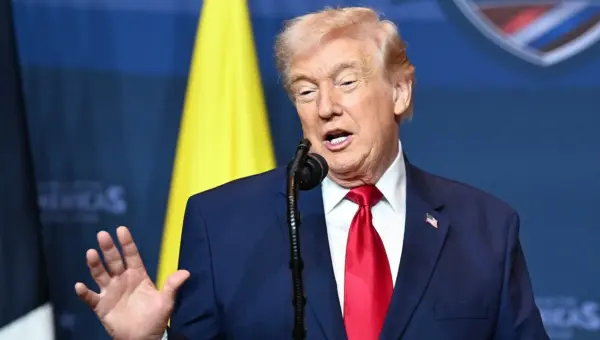
Trump Addresses GOP Conference, Vows to Fight ‘Corrupt’ System
Former President Donald Trump addressed Republican lawmakers at his Doral property, launching sharp criticisms against what he termed a "corrupt" system and "witch hunts." He vowed to continue fighting against perceived political persecution, rallying his base with a message of resilience and a return to "America First" principles.
Trump Eyes Election Control Amidst ‘Imperial Presidency’ Fears
Donald Trump is demanding the passage of the "Save America Act" as a condition for signing any legislation, sparking fears of election interference and legislative gridlock. Legal experts warn of an "imperial presidency" overreaching constitutional boundaries.

Iran War Costs Skyrocket: Lawmakers Warn of Billions Daily
Lawmakers are warning that the daily cost of the war in Iran could far surpass the previously estimated $1 billion. The escalating conflict is driving up oil prices, disrupting global supply chains for essential goods like fertilizer, and increasing shipping costs, creating significant economic pressure domestically and abroad.