Israel’s Role in Trump’s Iran War Decision Revealed
Former British Ambassador Sir Peter Westmacott claims Israel was instrumental in persuading President Trump to initiate military action against Iran. Recent Israeli airstrikes in Lebanon are now jeopardizing a potential ceasefire, highlighting the complex diplomatic challenges ahead.

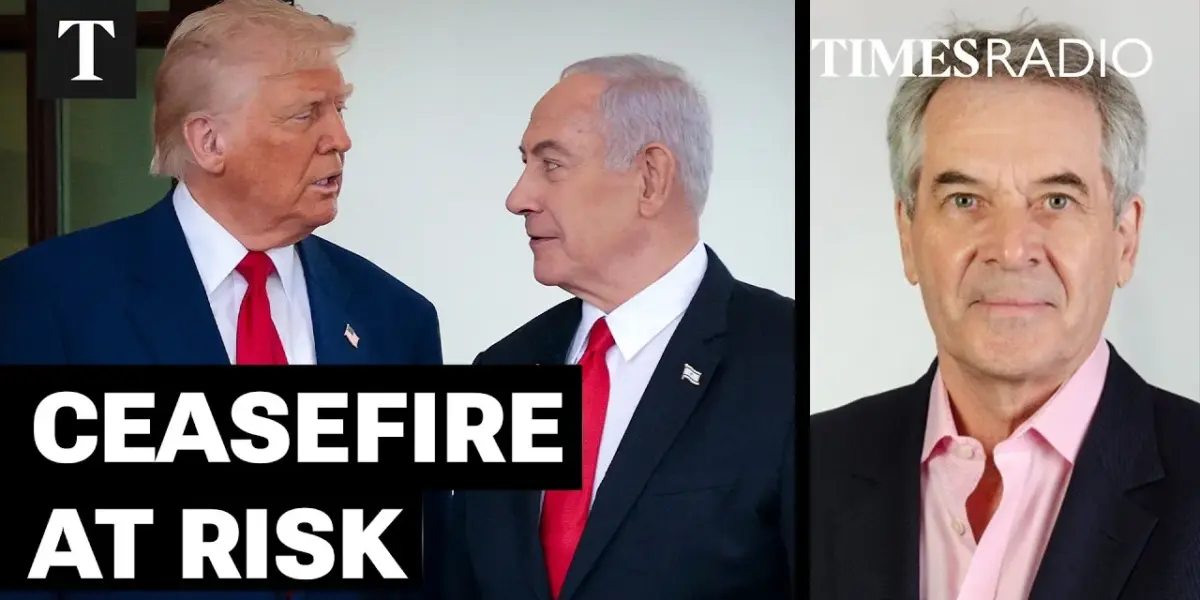
Israel Pushed Trump Towards Iran War, Ex-Ambassador Claims
Former British Ambassador Sir Peter Westmacott has revealed that Israel’s government played a key role in convincing then-President Donald Trump to launch military action against Iran. This decision, he stated, went against the advice of many within Trump’s own administration. Israel’s involvement included early targeted assassinations and significant military and intelligence capabilities, making them a central player in the conflict’s initiation.
Lebanon Bombardment Risks Ceasefire
Recent Israeli airstrikes in Lebanon are threatening a fragile ceasefire between Iran and the United States, along with its allies. U.S. Vice President JD Vance suggested that Iran misunderstood the scope of the agreement, believing it included Lebanon. Vance clarified that the ceasefire was intended to focus on Iran and American allies like Israel and Gulf Arab states, not Lebanon. However, he noted that Israel has reportedly offered to exercise restraint in Lebanon to ensure the success of ongoing negotiations.
Despite this, Labour’s foreign secretary, Cooper, expressed concern that the government wanted Lebanon included in the ceasefire, warning that its exclusion could destabilize the entire region. Reporter Hunter Williamson described the situation in Beirut, Lebanon, noting that March 2nd saw some of the heaviest bombings since the conflict between Hezbollah and Israel began last month. Israel conducted over 100 airstrikes, which it called its largest attack to date.
Diplomatic Nuance Amidst Escalation
Sir Peter Westmacott, with extensive diplomatic experience as the British ambassador to the U.S., Turkey, and France, discussed the delicate situation. He confirmed that the war on Iran was initiated by President Trump and Israel, largely following high-level visits by Israeli intelligence chiefs and the Prime Minister to Washington. Detailed reporting, including from The New York Times, suggests that Israeli government communications were crucial in Trump’s decision to proceed with military action, overriding internal dissent.
Westmacott described the situation as unleashing something with consequences that neither Washington nor potentially Israel fully understood. He emphasized that for a ceasefire to be achieved and the Strait of Hormuz to reopen, restraint from Israel in Lebanon is essential. Failure to stop destroying lives and property in southern Lebanon, he warned, would prevent any ceasefire and the opening of the vital shipping lane.
Negotiations and a Cynical Tactic?
When asked if the heavy bombardment of Lebanon could be a deliberate tactic to gain leverage in upcoming negotiations, Westmacott acknowledged it as one of many elements likely to be discussed. He reiterated that without Israeli restraint in Lebanon, tankers would not transit the Strait of Hormuz. Reports indicate a significant decrease in tanker traffic through the strait in recent days.
While it might serve as a negotiating tactic, Westmacott stressed that it leaves the ongoing economic crisis and oil supply issues unresolved. He noted that both American and Iranian wish lists contain demands that may not be negotiable, but movement on the Lebanon issue could be a key point of discussion if both sides are willing to compromise. Until there is a de-escalation in Lebanon, even an interim ceasefire and the reopening of the strait remain unlikely.
UK’s Limited Leverage in Regional Diplomacy
The conversation then turned to the British Prime Minister’s trip to the region. Westmacott explained that the trip was planned before Trump’s threats regarding Iran and was expedited after the threat was not carried out. He acknowledged that the UK has limited leverage due to its minimal military presence in the Mediterranean and Gulf States. However, the UK still maintains diplomatic relationships with many Gulf states.
Westmacott expressed that the Gulf states, which are bearing the brunt of the conflict’s economic impact, are not central to the strategy of attacking Iran. While some may have privately supported U.S. actions, most are now bystanders hoping for the war to end due to its severe impact on their infrastructure, businesses, and economies. Iran’s retaliatory strikes have put pressure on Washington, but with limited effect so far.
He suggested that while talking to leaders in Abu Dhabi, Qatar, Kuwait, and Bahrain is important, the UK’s ability to influence the situation is constrained. The key players, in his view, remain in Washington, Tel Aviv, Jerusalem, and Tehran. While the Gulf states are suffering, they lack the power to significantly alter the course of events.
Pakistan’s Role in Facilitating Talks
The discussion also touched upon Pakistan’s involvement in facilitating talks. Westmacott highlighted the strong relationship between Pakistani leadership and President Trump, which has given Pakistan a degree of confidence to convene key players. He noted that Iran appears to be taking these talks seriously, with principal figures expected to attend.
The presence of JD Vance, who was reportedly skeptical of the conflict, is seen as significant. Iran may be keen to have him there, knowing his influence and his initial reservations about the war. Westmacott attributed Pakistan’s role largely to personal relationships, a degree of trust, and its position as an Islamic country with historical ties to Iran, making it a suitable convenor for such discussions.
Source: Israel ‘Instrumental’ In Pushing Trump Towards Iran War | Sir Peter Westmacott (YouTube)

Related Articles

US-Iran Talks Collapse: War Looms After Summit Fails
US-Iran peace talks in Islamabad have collapsed after the Trump administration reportedly tried to change the negotiating framework. Senator JD Vance announced the breakdown, stating Iran refused U.S. demands, signaling a likely return to conflict. The failure occurred while President Trump attended a UFC match.
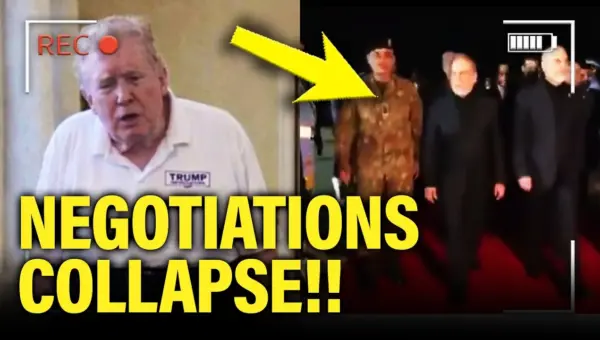
US-Iran Talks Collapse: Trump’s Dealmaking Falters
Recent U.S.-Iran negotiations in Pakistan have collapsed, with both sides blaming the other for changing the framework and imposing demands. The failure raises concerns about renewed conflict and highlights deep-seated mistrust.

Iran Talks Collapse: No Deal on Nuclear or Strait Fees
International talks aimed at halting Iran's nuclear program have collapsed, with negotiators returning home without a deal. Key disagreements over uranium enrichment and control of the Strait of Hormuz remain unresolved, raising concerns about regional stability and oil prices.