Israel’s Lebanon Assault: “Collective Punishment,” Say Critics
Israeli airstrikes on Beirut have killed at least 12 people and displaced over a million Lebanese, with critics labeling the strategy "collective punishment." The attacks, targeting areas far from Hezbollah strongholds, have sparked a deepening humanitarian crisis and raised fears of a wider regional conflict.

Beirut Under Fire Amid Escalating Conflict
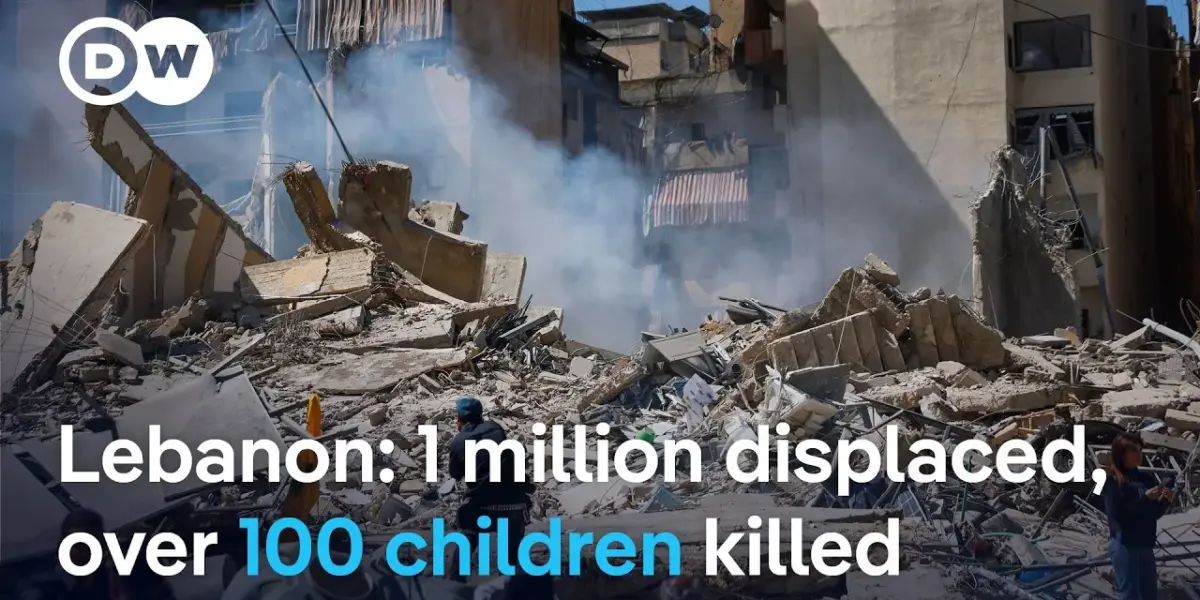
Israeli warplanes pounded the Lebanese capital, Beirut, on Wednesday in a significant escalation of the conflict. Lebanese authorities reported that at least 12 people were killed when apartment buildings and residential areas were struck. These attacks, described by Israel as targeting the Iran-backed militant group Hezbollah, are among the most intense on Beirut in decades. The strikes hit areas far from Hezbollah’s traditional strongholds, bringing the war directly into the heart of the city.
Direct Hits on Civilian Areas
On Wednesday morning, Israeli forces struck three densely populated neighborhoods in Beirut. In the Bashura area, one apartment building was completely destroyed, shocking nearby residents. Israel identified the building as a facility used by Hezbollah. However, locals disputed this, stating that no fighters were present in the area and that the population was mixed, including Sunnis, Druze, and Kurds, not just Shiites. Residents reported receiving no warning before the missiles hit, catching them while they were still asleep. Many were left with nothing but the clothes on their backs.
“We were sleeping when we heard the bomb fall on us. We came out and found the street like this. These two buildings destroyed. We’ve been out on the street since 8:30 a.m. with nothing but the clothes on our backs.”
Hezbollah’s Almana TV reported that the director of its political programs and his wife were among those killed in the strikes. Israel’s military confirmed the attacks on Beirut and other locations in southern Lebanon, stating they were in response to dozens of rockets fired into Israeli territory on Tuesday. The Israeli Defense Forces claimed warnings were issued for some locations.
Humanitarian Crisis Deepens
Lebanese authorities say Israeli strikes have resulted in over 900 deaths and displaced more than a million people since March 2nd. DW Beirut Bureau Chief Muhammad [Name Withheld] reported that the attacks in Bashura targeted apartment buildings without prior warning. He noted that these strikes are happening in a central, strategic area close to government headquarters and embassies. The affected neighborhoods are also home to tens of thousands of refugees who had already fled their homes in southern Lebanon.
“Collective Punishment” Strategy Alleged
Fawas Gorgis, a professor of Middle Eastern politics and international relations, described Israel’s strategy as “collective punishment.” He stated that Israel is attempting to punish the entire social base of the Shia population in South Lebanon, the Beqaa Valley, and Beirut, without distinguishing between military and civilian targets. Gorgis cited the United Nations Human Rights Office, which has stated that Israel’s evacuation orders and mass displacement amount to a war crime, though Israel appears to disregard these warnings.
Ground Operations and the “Gaza Model”
Israel has also launched what it calls a targeted ground operation. Israeli officials are reportedly preparing for hundreds of thousands of Israelis to be called up to implement what they refer to as the “Gaza model” in Lebanon. This suggests a strategy of widespread destruction and displacement, similar to operations in Gaza.
Hezbollah’s Resilience and Role
While Israel claims its operations are solely aimed at Hezbollah, Gorgis pointed out that Israel made similar claims about Hamas in Gaza, yet civilian targets bore the brunt of the attacks. He acknowledged that Hezbollah’s capabilities have been degraded but stated it remains a significant paramilitary force. Israeli officials have expressed surprise at Hezbollah’s continued resistance. Gorgis emphasized that Hezbollah is more than just a military group; it is a deeply entrenched social and political movement in Lebanon, making its complete elimination a major challenge.
Lebanese Government’s Difficult Position
The Lebanese government finds itself in a precarious position. Despite outlawing Hezbollah’s military wing and insisting the conflict is not theirs, the country is under heavy bombardment. Lebanon’s economy is already in a dire state, making recovery from past conflicts even more challenging. The Lebanese president proposed direct talks with Israel, a historic first, but received no response, suggesting Israel’s strategy is to pressure the population and force the government into submission.
International Mediation Efforts
France has offered to mediate an end to the hostilities. However, Gorgis noted that Israeli Prime Minister Benjamin Netanyahu appears to have a “green light” from former US President Donald Trump, diminishing the influence of other international actors like French President Emmanuel Macron. The focus of global attention has shifted to Iran, with the potential for a regionwide conflict, overshadowing the crisis in Lebanon.
“Without intervention by the United States, by Trump, I fear that Israeli prime minister will use this particular moment to implement the so-called Gaza model in Lebanon and raise villages and create a buffer zone, you know, as it did between 1982 and 2000 in Lebanon.”
Regional Impact and Humanitarian Concerns
The conflict has already displaced over a million Lebanese, and tens of thousands of Syrians have left Lebanon in turn. Gorgis warned that the massive humanitarian crisis in Lebanon could lead to state collapse and a significant migration crisis, potentially impacting Europe. He questioned the international community’s, particularly Europe’s, response to the escalating situation, urging greater intervention to prevent further devastation.
Looking Ahead
The ongoing conflict in Lebanon raises serious concerns about regional stability and a deepening humanitarian catastrophe. The international community, particularly key global powers, faces mounting pressure to intervene and de-escalate the situation before it leads to further widespread loss of life and displacement, with potentially far-reaching consequences for Lebanon and the wider region.
Source: Why Israel's strategy on Lebanon amounts to "collective punishment" | DW News (YouTube)

Related Articles
Iran Missile Strikes Injure US Troops, Raise War Concerns
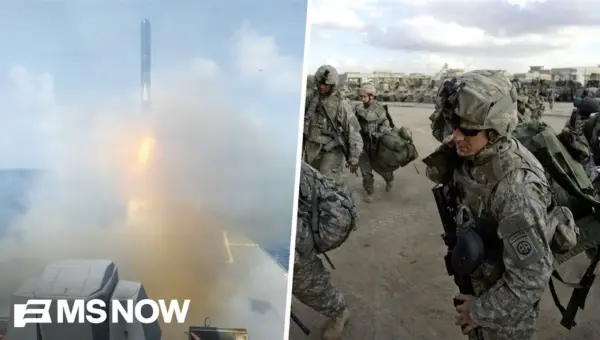
Iranian missile strikes have injured U.S. service members, escalating tensions as the conflict nears one month. The attacks are raising concerns about the effectiveness of U.S. military strategy and the depletion of crucial missile stockpiles. Global oil prices have surged, impacting economies worldwide.

Saudi Arabia Pushes US for Iran War, Report Claims
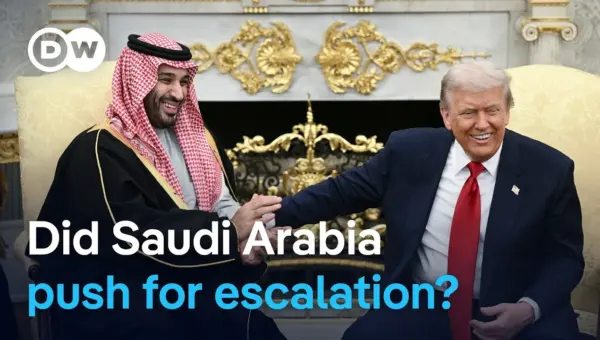
Saudi Arabia's Crown Prince Mohammed bin Salman has reportedly urged the US to escalate military action against Iran, viewing it as an opportunity to reshape the Middle East. While Saudi officials deny the report, the push comes amid increased Iranian attacks on Saudi oil infrastructure. Experts suggest a complex dynamic where Saudi Arabia seeks US intervention while also managing the risks of regional instability.


Israelis Forge Resilience Amidst Constant Bomb Shelter Drills
Life in Israel is a blend of resilience and constant vigilance, with many families adapting to frequent bomb shelter drills and even sleeping in makeshift shelters. Despite ongoing missile attacks, Israelis strive to maintain normalcy, though businesses face disruption and emotional fatigue is a growing concern.