Israel’s Death Penalty Bill Sparks Outrage, Faces Legal Challenge
Israel's parliament has passed a controversial death penalty law for Palestinians convicted of terrorism, sparking widespread protests in the West Bank and drawing international condemnation. The law, set to take effect in 30 days, faces a legal challenge at Israel's Supreme Court and has strained relations with European allies.

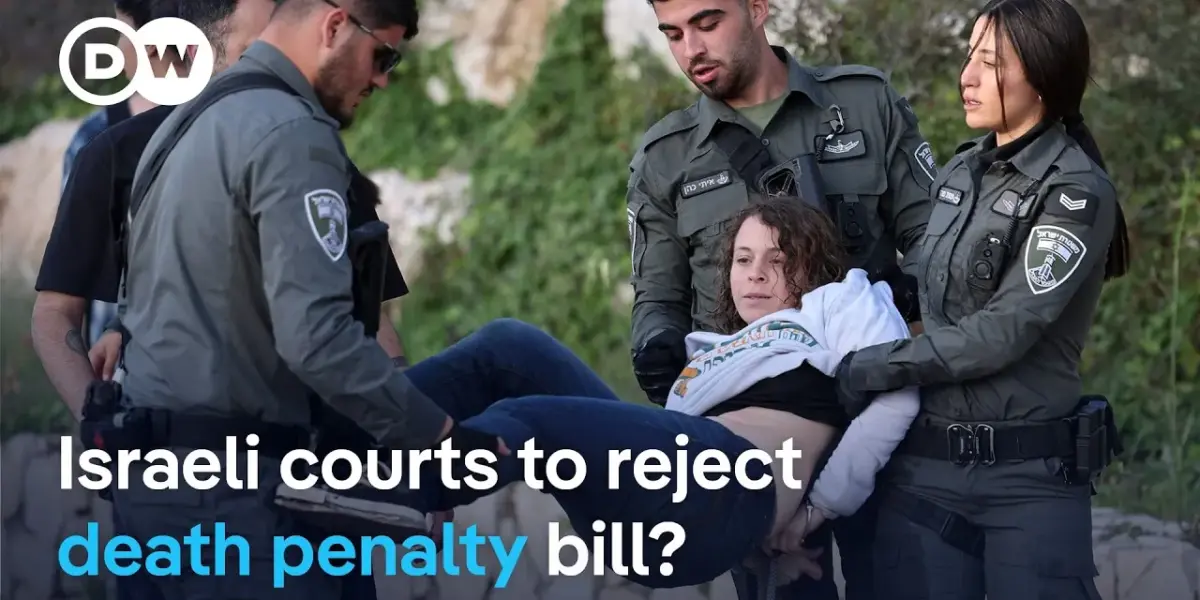
Israel Passes Controversial Death Penalty Law for Terror Convictions
Jerusalem – Israel’s parliament, the Knesset, has passed a new law that makes the death penalty by hanging the default punishment for Palestinians convicted of terrorism resulting in death. This move, which comes into effect in 30 days, has ignited widespread protests and drawn sharp criticism from international bodies and human rights groups. The law is already facing a legal challenge, with opponents petitioning Israel’s Supreme Court to overturn it.
Protests Erupt in West Bank and Beyond
Hundreds of demonstrators have taken to the streets in the Israeli-occupied West Bank to voice their anger. In Ramallah, relatives of Palestinian prisoners and activists held a sit-in outside the International Committee of the Red Cross headquarters. These protests highlight the deep divisions and anxieties surrounding the new legislation, which many believe unfairly targets Palestinians.
Divisions Within Israeli Society
Reactions within Israel are split. Supporters of the current government, particularly its far-right elements, view the law as a necessary measure to deter terrorism. They believe it will restore a sense of security. However, the Israeli opposition, along with various civil society groups, has strongly criticized the bill. Some see it as a political maneuver by far-right minister Itamar Ben-Gvir, ahead of upcoming elections, designed to fulfill campaign promises. Others argue the law is inherently discriminatory.
“This law is an attack on human rights. It’s an attack on Palestinians, but it’s also an attack on the strong relations between Europe and Israel.”
Max Looks, German lawmaker
International Condemnation and Concerns
The European Union and human rights organizations have condemned the law, asserting that it discriminates against Palestinians. Max Looks, a German lawmaker with the opposition Greens and spokesperson on human rights, expressed deep disappointment. He stated that the law undermines fundamental human rights and international conventions. Looks also noted that Israel’s Knesset is an observer to the Parliamentary Assembly of the Council of Europe, which adheres to the European Convention on Human Rights, a convention that prohibits the death penalty.
Potential Legal and Diplomatic Hurdles
The implementation of the death penalty law could be significantly impacted by a legal challenge now before Israel’s Supreme Court. Many expect the court to intervene, though the current political climate, marked by criticism of judicial oversight from parts of Israeli society, could influence the judges’ decision. Liberal and left-wing voices in Israel are hoping the court will at least delay, if not cancel, the legislation entirely.
On a diplomatic front, Looks suggested that the law’s passage could have consequences for Israel’s relationship with Europe. He called for stronger actions, not just words, from the German government and other European nations. This includes considering sanctions against far-right ministers in the Israeli government and developing a unified European strategy towards Israel to protect human rights.
Broader Implications for Palestinian Territories
The practical impact on life in the Palestinian territories remains uncertain. A key difference highlighted is the judicial system: Palestinians are tried in military courts, while Israeli citizens in the same territories are tried in civil courts. This disparity could significantly affect verdicts. The law also comes amid ongoing protests within the West Bank against the Palestinian Authority and its cooperation with Israel, adding another layer of complexity to the region’s volatile situation.
Looking Ahead: The Supreme Court’s Decision
The coming weeks will be crucial as Israel’s Supreme Court weighs the legal challenge against the new death penalty law. The ruling will not only determine the fate of the legislation itself but could also signal the court’s stance amidst a charged political environment. Observers will also be watching closely to see if the protests within Israel and the international pressure translate into concrete actions that could influence the government’s policy.
Source: Protests in Israel over death penalty bill | DW News (YouTube)

Related Articles

Free Speech vs. Harm: Court’s Conversion Therapy Ruling Sparks Outrage
The Supreme Court's recent decision supporting a challenge to Colorado's ban on gay conversion therapy has ignited widespread concern. While the ruling is technically narrow, focusing on free speech technicalities, critics fear it undermines protections for LGBTQ+ youth and could embolden harmful practices.


Supreme Court Weighs Birthright Citizenship in Key Trump Case
The Supreme Court is set to hear arguments in Trump v. Barbara, a case challenging President Trump's executive order to end birthright citizenship. The core debate centers on the 14th Amendment's 'subject to the jurisdiction thereof' clause and historical precedent, potentially impacting hundreds of thousands born in the U.S. annually.


Polls Show GOP Slipping as Wisconsin Court Race Highlights Democracy Battle
A new Gallup poll shows Republicans at a historic low in voter identification, with Democrats holding a significant advantage. This shift coincides with economic anxieties and a key Wisconsin Supreme Court race that highlights national debates on democracy and the rule of law.