Israel Warns of Prolonged Combat as Mideast Conflict Widens
Israel's military has warned of prolonged combat as the Middle East conflict escalates, drawing in Lebanon and intensifying regional tensions. The surge in hostilities follows the killing of Iran's Supreme Leader Ayatollah Khamenei, triggering retaliatory attacks and Israeli counter-strikes. US President Donald Trump has urged Iranians to revolt and warned Iran's Revolutionary Guard Corps.

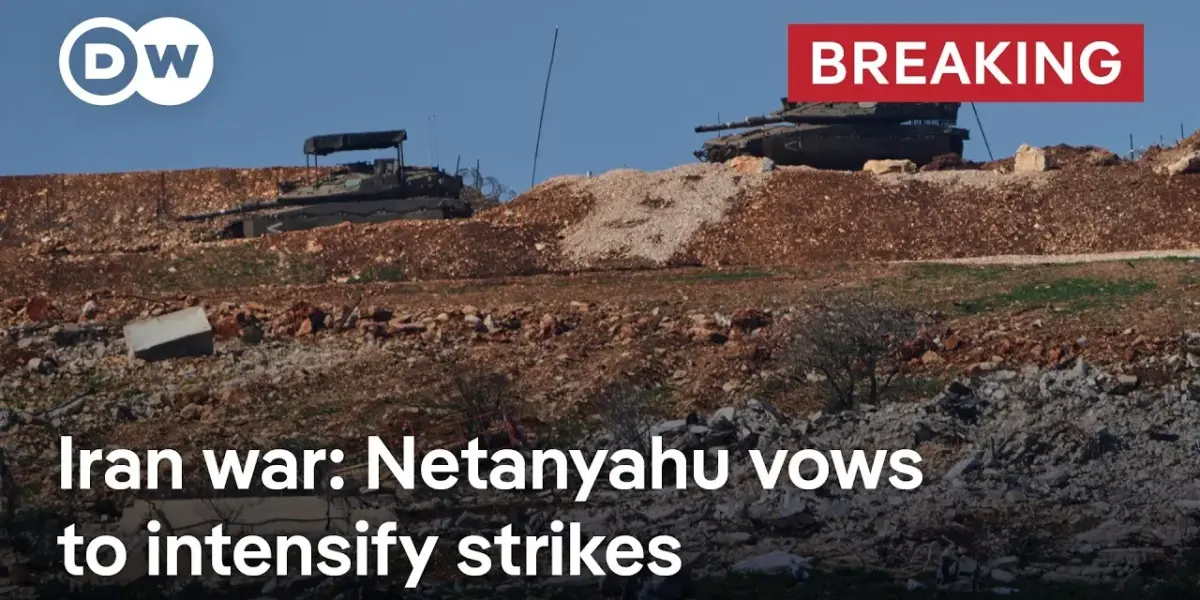
Israel Warns of Prolonged Combat as Mideast Conflict Widens
JERUSALEM – Israel’s military has warned its citizens to brace for “prolonged days of combat” as the conflict in the Middle East escalates, drawing in Lebanon and intensifying regional tensions. The warning comes amid a significant surge in hostilities following the killing of Iran’s Supreme Leader Ayatollah Khamenei, which has triggered a wave of retaliatory attacks and Israeli counter-strikes across multiple fronts.
Hezbollah Joins Conflict, Israel Responds with Heavy Air Strikes
The Iran-backed militant group Hezbollah launched missiles and drones toward Israel, marking a significant escalation in its involvement in the conflict. In response, Israel’s Defense Forces (IDF) unleashed heavy air strikes on southern Lebanon. These retaliatory attacks have resulted in dozens of deaths and over 100 people wounded, according to initial reports from the Lebanese Health Ministry.
The IDF confirmed launching an “offensive campaign” against Hezbollah, following earlier strikes on the group’s targets in the Lebanese capital, Beirut. Reports indicate that a senior Hezbollah figure was killed in these operations. These actions by Hezbollah were explicitly stated to be in retaliation for the death of Ayatollah Khamenei, confirmed over the weekend.
US President Urges Iranians to Revolt, Warns Iranian Guard
Meanwhile, in Washington, U.S. President Donald Trump has called on the Iranian people to “seize the moment and retake their country.” In his first address since Khamenei’s death, Trump declared, “America is with you,” and issued a stark warning to Iran’s Revolutionary Guard Corps, stating they would face “certain death” if they did not surrender.
Trump expressed satisfaction with the unfolding events, noting that the situation was proceeding “much better than he expected” and that they were “ahead of schedule.” Analysts suggest that Israel and the U.S. had meticulously planned a “dense first 72 hours” to achieve key objectives.
Regional Flare-Up: Lebanon, Gulf, and Beyond
The conflict is rapidly expanding beyond Israel’s borders. On the ground in Lebanon, there is widespread fear and anxiety as the hostilities are expected to have dire consequences for the entire nation, not just Shiite areas associated with Hezbollah.
In Beirut, residents awoke to the sounds of heavy bombardment in the southern suburbs. Without warning systems or shelters, many were forced to flee their homes. The Lebanese Health Ministry reported at least 31 deaths and over 149 injuries from the overnight air strikes. Bombardment continued in southern Lebanon and the Bekaa Valley, with the Israeli army issuing evacuation warnings to over 53 towns and villages.
Lebanon’s government, led by President Aun and Prime Minister Salam, has condemned the Israeli strikes. Prime Minister Salam notably called Hezbollah’s rocket attacks “irresponsible” prior to the group claiming responsibility. An emergency government meeting is underway as officials attempt to manage the crisis and assert state authority.
The conflict’s reach has also extended to the Gulf. Reports indicate that Iran has launched over 160 ballistic missiles and more than 500 drones at the United Arab Emirates, though the Ministry of Defense states that approximately 93% of these have been intercepted. Attacks have alternated between Dubai and Abu Dhabi, raising questions about the UAE’s potential involvement and whether it might allow U.S. forces stationed there to conduct direct strikes against Iran.
Israeli Military Mobilizes, Prepares for Extended Combat
Israeli Prime Minister Benjamin Netanyahu has vowed to intensify air strikes on Iran in the coming days, announcing that the military has mobilized its full strength and called up reserves. The Chief of Staff, Herzi Halevi, confirmed the launch of an “offensive campaign” and urged citizens in northern Israel to be prepared for “prolonged days of combat,” assuring them that the military would protect them.
The IDF’s strategy appears to have shifted from initial attacks on launchers and missile stockpiles to targeting infrastructure connected to the regime, including the interior ministry and the Revolutionary Guard. The overarching hope, echoed by both Trump and Netanyahu, is to create conditions that empower the Iranian people to take control of their own destiny.
Broader Implications and Future Outlook
DW’s Middle East analyst Shai Rosanes noted the aggressive Iranian retaliation, which extends beyond Israel to targets in the Gulf and across the region, including American bases. He highlighted Iran’s efforts to utilize regional allies and pressure the United States.
Rosanes explained the strategic approach, which began with attacks on Iranian launchers and missile stockpiles to shorten the range to Israel and weaken its defense capabilities. The subsequent shift to targeting the regime’s structure aims to weaken its oppressive hold. The ultimate goal is to foster an environment where the Iranian populace can initiate change.
The situation remains fluid, with a “long road ahead.” The coming days will be crucial in determining whether the current intense exchange of fire can be managed or if it will spiral into a wider, more devastating regional war. The effectiveness of Iran’s defiance, the resolve of the Israeli and U.S. response, and the potential involvement of other regional actors will be key factors to monitor.
Source: Israel Defense Forces warn Israelis to 'prepare for prolonged days of combat' | DW News (YouTube)

Related Articles

US Strikes Iran-Linked Targets Amid Escalating Tensions
The U.S. military has released footage of airstrikes on facilities in Iraq and Syria linked to Iran and its affiliated militias. These strikes are a response to repeated attacks on U.S. forces in the region amid escalating Middle East tensions.

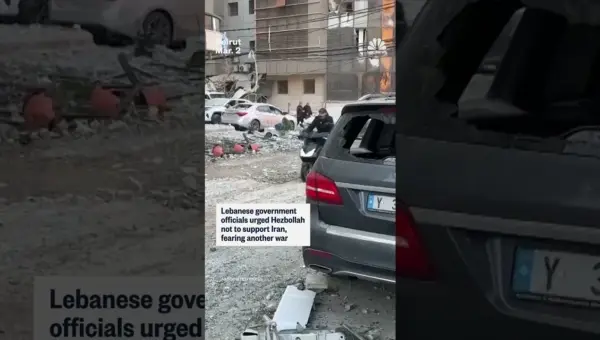
Israel Strikes Lebanon After Hezbollah Missile Barrage
Israel launched airstrikes into southern Lebanon on Wednesday following a significant missile barrage from Hezbollah. The tit-for-tat attacks mark a dangerous escalation in cross-border hostilities, raising concerns of a wider regional conflict.

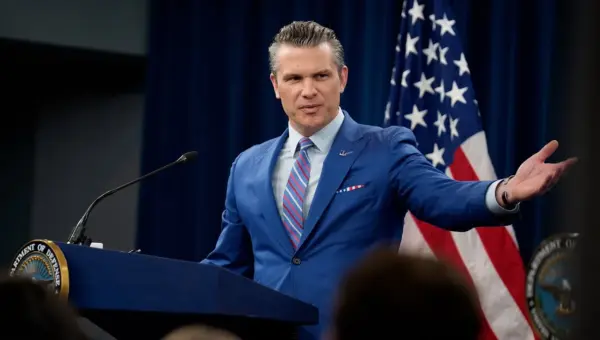
US Details ‘Epic Fury’ Operation Against Iran Threats
U.S. Defense Secretary Pete Hegseth and General Dan Caine detailed 'Operation Epic Fury,' a new military initiative designed to counter threats from Iran. The operation aims to deter aggression through an enhanced U.S. military presence and coordinated exercises with regional partners.