Israel Vows Fierce Lebanon Fight, No Ceasefire Yet
Israel's Chief of Staff has declared that the military is not observing a ceasefire in Lebanon and will continue fighting Hezbollah. The IDF reports significant Hezbollah losses, including hundreds of fighters killed and numerous rocket launchers dismantled. This ongoing conflict highlights regional tensions and poses risks of further escalation.

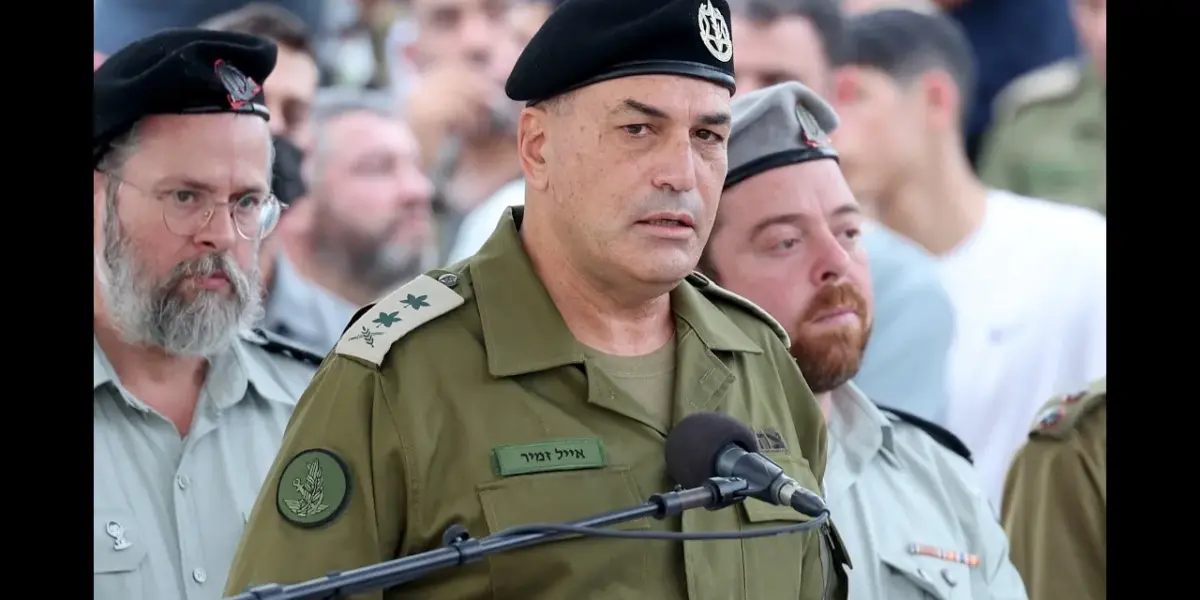
Israel’s Military Pushes Forward in Lebanon
The Israeli military’s top commander recently made a direct statement to troops on the ground: the fight in Lebanon is far from over. Video footage released by the army showed the Chief of Staff inside southern Lebanon, emphasizing that the military is not observing a ceasefire. He declared their commitment to continuing the fight on this active front against Hezbollah.
This declaration comes amid ongoing operations. The Chief of Staff highlighted the extensive use of the army’s capabilities and resources in the region. He described the current actions as employing “many means and many of our capabilities.” These efforts are aimed at degrading Hezbollah’s ability to launch attacks.
Historic Achievements Claimed Amidst Conflict
The military leadership is framing the current conflict as a significant success. General Zamir, the Chief of Staff, stated that the achievements of the war thus far are “historic.” This strong language suggests a belief within the Israeli military that they are making substantial progress in dismantling Hezbollah’s operational capacity.
He also addressed the broader regional context, particularly concerning Iran. General Zamir stressed that even though there might be a ceasefire in place involving Iran, the fighting there could restart quickly and with considerable force. This implies a belief that the conflict with Hezbollah is part of a larger, ongoing regional struggle.
Hezbollah Suffers Significant Losses
The Israeli Defense Forces (IDF) have released figures detailing the impact of their operations on Hezbollah. According to the IDF, over 250 fighters from the Hezbollah terrorist group have been killed. In addition to personnel losses, the military claims to have dismantled more than 200 Hezbollah rocket launchers.
Furthermore, approximately 1,300 launch tubes used by Hezbollah have been taken out of commission. These numbers, if accurate, indicate a significant blow to Hezbollah’s rocket arsenal and its ability to project force against Israel. The dismantling of launch sites and launchers is a key objective in reducing immediate threats.
Background of the Current Conflict
The latest round of intense fighting between Israel and Hezbollah began on March 2nd. The conflict was initiated when the Iran-backed group fired rockets towards Israel. This act of aggression marked an escalation of hostilities that have simmered for years between the two entities.
Hezbollah, a heavily armed political and militant group based in Lebanon, has long been a significant security concern for Israel. The group receives substantial backing from Iran, making the conflict a focal point in the broader geopolitical tensions between Israel and Iran in the region.
Why This Matters
The ongoing conflict on Israel’s northern border has serious implications for regional stability. The Israeli military’s insistence on continuing operations, despite the potential for wider escalation, signals a commitment to a strategy of actively confronting threats rather than seeking immediate de-escalation through a formal ceasefire.
This approach suggests that Israel believes a decisive military effort is necessary to deter future attacks and neutralize Hezbollah’s capabilities. The significant reported losses for Hezbollah could potentially weaken the group’s operational capacity in the short to medium term. However, it also risks prolonged conflict and further civilian impact on both sides of the border.
Implications and Future Outlook
The continuation of fighting means that the risk of escalation remains high. Any miscalculation or a significant shift in the balance of power could draw other regional actors more directly into the conflict. The destruction of Hezbollah’s infrastructure, while a stated military goal, could also lead to a more determined and potentially asymmetric response from the group.
The long-term outlook depends on a variety of factors, including the continued support Hezbollah receives from Iran, the effectiveness of Israeli military operations, and the diplomatic efforts of international actors. For now, the Israeli military appears set on a path of continued offensive action, aiming to achieve what it describes as historic successes against a persistent adversary.
Source: Israel Army 'Not in a Ceasefire', Says Chief of Staff (YouTube)

Related Articles

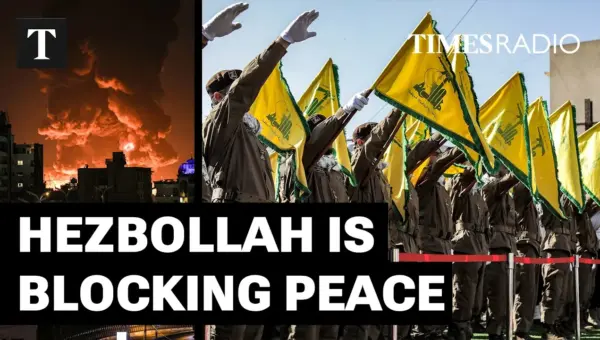
Israel Blames Hezbollah for Ceasefire Blockade
Israel identifies Hezbollah as the sole obstacle to a ceasefire amidst ongoing strikes in Lebanon that have claimed hundreds of lives. Diplomatic efforts are underway, with Lebanon seeking a truce for peace talks, while Israel vows to continue its operations against Hezbollah.

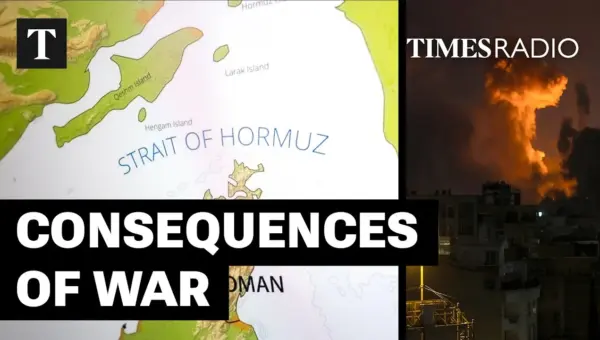
Iran Gains Strait of Hormuz Control Amidst War
Top US officials are traveling to Pakistan for critical talks with Iran, facing preconditions including a ceasefire in Lebanon and the release of blocked assets. Iran's de facto control over the Strait of Hormuz has emerged as a significant leverage point in the escalating regional tensions. The negotiations are expected to be tough, with both sides holding firm positions on key issues.

NATO Allies Urged to Step Up Support for US
Retired Navy SEAL Mike Cirelli urges NATO allies to increase their support for U.S. international efforts, citing delays in crucial operations. NATO's chief acknowledges past slow responses, while Cirelli emphasizes the need for allies to take greater responsibility for global security, especially concerning energy supplies.