Israel, US Align on Iran War Goals, Envoy Says
The U.S. and Israel are presenting a united front in the ongoing conflict with Iran, with officials emphasizing joint planning and a shared victory. However, differing timelines for ending the war and the recent missile fragment incident in Jerusalem's Old City highlight the conflict's complexities. U.S. military deployments are increasing, suggesting a potentially prolonged engagement.

US and Israel Vow Joint Victory in Iran Conflict
As the war with Iran enters its third week, U.S. and Israeli officials are emphasizing a united front, despite differing timelines for ending the conflict. President Trump has repeatedly suggested the war will conclude soon, even claiming victory is within reach. However, the Pentagon is increasing its military presence in the Middle East, signaling a potentially longer engagement.
Trump’s Shifting Timeline for War’s End
President Trump has consistently stated that the war would be short, initially predicting a four-to-six-week timeline. While speaking to reporters, he expressed confidence that the conflict would end soon, stating, “It’ll be wrapped up soon, but we’re not ready to leave yet.” He also suggested that ending the war would lead to a significant drop in oil prices. Despite these pronouncements, the deployment of thousands of Marines and sailors to the region indicates that the U.S. is preparing for a prolonged operation.
Missile Fragments Strike Jerusalem’s Old City
The ongoing conflict saw a significant escalation when missile fragments from an Iranian attack landed in Jerusalem’s Old City. Israeli emergency crews responded to the scene, with the IDF investigating the incident. The Old City, a site of immense religious importance to Judaism, Christianity, and Islam, was narrowly spared from major damage or casualties. This event highlights the volatile nature of the conflict and the potential for wider religious implications.
US Reinforces Middle East Presence
In response to rising tensions, the U.S. is accelerating the deployment of thousands of Marines and sailors to the Middle East. The amphibious assault ship USS Boxer, carrying several thousand personnel and specialized Marines, has departed San Diego. These forces are trained for complex missions, including amphibious landings and seizing strategic locations. Their deployment is intended to provide President Trump with more options and enhance U.S. capabilities in the region.
Israel’s War Objectives and US Coordination
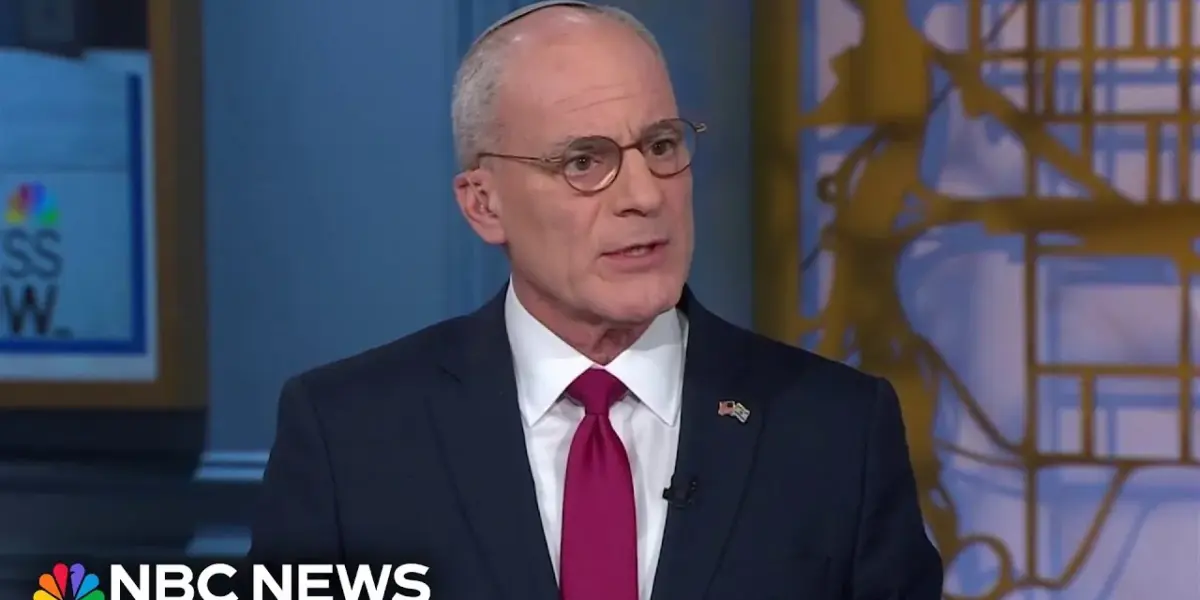
Ambassador Michael Leiter, Israel’s envoy to the U.S., affirmed the close collaboration between the two nations. He stated that Israel and the U.S. are working together on a joint plan, emphasizing a shared goal of achieving victory. While President Trump has indicated that Israel will be willing to end the war when the U.S. is ready, Ambassador Leiter echoed this sentiment, suggesting a synchronized conclusion to the conflict.
“We have planned this together, we’re implementing it together, and the grand finale will come together as well.”
Ambassador Michael Leiter
Differing Goals and the Path Forward
While top intelligence officials have noted slight differences in objectives between Israel and the U.S., particularly regarding regime change in Iran, Ambassador Leiter clarified Israel’s position. He stated that the primary objectives, such as preventing ballistic missiles, nuclear weapons, and proxy support, are aligned. However, Israel believes that regime collapse is necessary to achieve these goals, a sentiment that may not be fully shared by the U.S.
Economic Implications and Future Security
The conflict has also raised concerns about global oil prices, with Iran targeting energy infrastructure in the Gulf. The Trump administration has taken steps to mitigate price increases, including waiving the Jones Act to ease the transport of goods. Ambassador Leiter addressed the attack on an Iranian gas field, asserting that it was intended to pressure the regime and not to disrupt global oil prices. He also spoke about long-term economic visions, including pipelines that could reach the Israeli coast.
Concerns Over Lebanon Border
Growing fears of a potential Israeli ground incursion into Lebanon have emerged due to ongoing fighting. Israel’s goal is to prevent Hezbollah missiles from being fired into its towns and villages, citing plans for infiltration similar to Hamas’s October 7th attack. Israel has stated it has no interest in occupying southern Lebanon and desires peace with the country, but aims to neutralize the threat posed by Hezbollah.
Looking Ahead
The coming weeks will be crucial in determining the trajectory of the Iran conflict. Continued U.S. military deployments, coupled with the volatile situation in Jerusalem and along the Lebanon border, suggest a complex and potentially escalating scenario. The alignment and potential divergence of goals between the U.S. and Israel will be closely watched, as will the impact on regional stability and global energy markets.
Source: Israeli Amb. to U.S. echoes Trump, says Israel will be willing to end Iran war when U.S. does (YouTube)

Related Articles


G7 Allies Clash Over Iran War Strategy, Urge Focus on Russia
G7 foreign ministers met in Paris, revealing deep divisions over the U.S. war with Iran. European allies urged the U.S. to pressure Russia, linking its actions to the conflict and fearing support for Ukraine will wane.

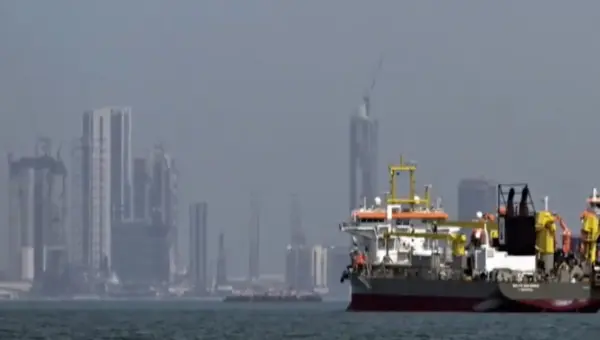
Iran Blocks China Ships, Exposing Beijing’s Weak Grip
Iran's recent decision to block Chinese ships at the Strait of Hormuz is exposing the limits of Beijing's influence in the Middle East. This action is causing delays and cancellations for Chinese manufacturers, turning a perceived geopolitical win into an economic strain.
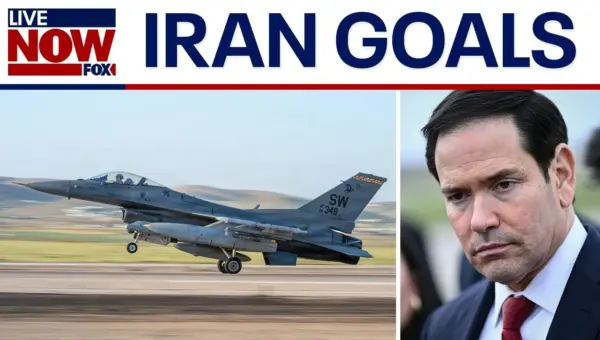
Rubio: US Can Achieve Iran War Goals Without Troops
Senator Marco Rubio outlined a strategy to counter Iran without deploying U.S. ground troops, focusing on weakening the regime and enhancing maritime security. He also criticized Cuba's economic system and expressed concerns about West Bank violence.