Israel Strikes Iran’s Navy Chief, Escalating Regional Tensions
Israel has killed a top Iranian naval commander, vowing to hunt down more IRGC leaders. This strike, targeting the commander responsible for blocking the Strait of Hormuz, escalates regional tensions and sends a message to both Iran and the US. The move comes as Iran reportedly charges fees for ships in the Strait and Israel continues operations in Lebanon.

Israel Strikes Iran’s Navy Chief, Escalating Regional Tensions
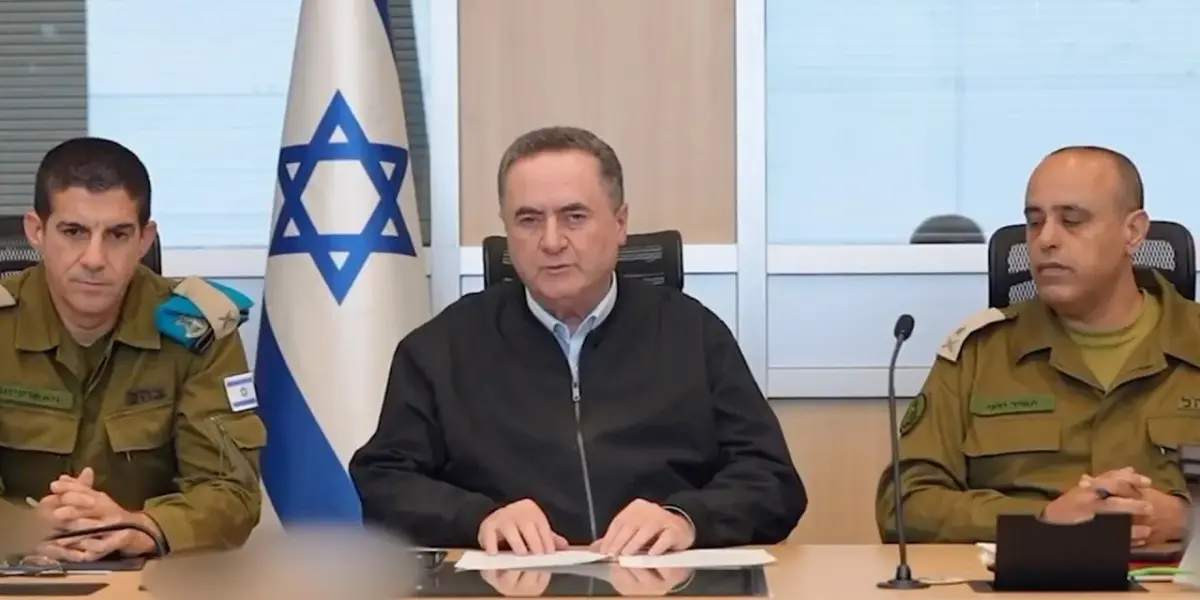
Israel announced this morning that it has successfully eliminated a top Iranian naval commander. The head of the Islamic Revolutionary Guard Corps (IRGC) Navy, along with other senior naval officials, was killed in what Israel described as a precise and lethal operation. This strike marks a significant escalation in the ongoing regional conflict.
Defense Minister Israel Katz and Prime Minister Benjamin Netanyahu confirmed the action. They stated that the targeted commander was directly responsible for mining and blocking the Strait of Hormuz, a vital waterway for global shipping. This move sends a clear message to the leadership of the Iranian Revolutionary Guards, which Israel labels a terrorist organization controlling Iran.
The Israeli military declared its intention to pursue and eliminate senior members of the IRGC one by one. This operation is also framed as an important message to the United States, signaling Israel’s commitment to continuing its operations with full force to achieve its war objectives. The eliminated commander was noted to have a significant amount of blood on his hands, including his role in closing the Strait of Hormuz.
Regional Context and Implications
This targeted killing occurs amid broader regional instability. The Secretary General of the Gulf Cooperation Council reportedly stated that Iran is now charging fees for ships to safely pass through the Strait of Hormuz. This suggests Iran is attempting to profit from or control maritime traffic in the region, further complicating international trade and security.
Meanwhile, Israeli ground operations continue in southern Lebanon. The IDF reported targeting over 350 Hezbollah infrastructure sites and eliminating more than 330 Hezbollah members. This dual focus on Iran and Hezbollah highlights Israel’s strategy of confronting perceived threats from multiple fronts.
Why This Matters
The elimination of a high-ranking military official from a rival nation, especially one involved in controlling strategic waterways, inevitably raises the stakes. It signals a willingness by Israel to take direct action against Iran’s military leadership. This could provoke retaliation from Iran or its proxies, potentially drawing other regional powers and the United States into a wider conflict. The control and security of the Strait of Hormuz are critical to the global economy, and any disruption there has far-reaching consequences.
Historical Background
Tensions between Israel and Iran have been high for decades. Iran does not recognize Israel’s existence and supports groups that oppose Israel. Israel views Iran’s nuclear program and its regional influence as major threats. The Strait of Hormuz has historically been a point of contention, with both countries having the capability to disrupt shipping in the narrow waterway.
The IRGC is a powerful branch of Iran’s military, responsible for its missile program and operations outside Iran. Targeting its naval commander is a direct hit at Iran’s military capabilities and its ability to project power in the Persian Gulf and beyond. This action is part of a long-standing shadow war between the two nations, often involving cyberattacks, assassinations, and support for opposing factions in conflicts across the Middle East.
Trends and Future Outlook
The current escalation suggests a continuation of a policy of direct confrontation rather than de-escalation. Israel’s stated intention to hunt down and eliminate IRGC members indicates a long-term strategy. The cooperation mentioned with the United States, while framed positively by Israel, also raises questions about the extent of American involvement and support for such operations.
The charging of fees for passage through the Strait of Hormuz by Iran could be a new tactic to exert influence or generate revenue amidst sanctions. It adds another layer of complexity to maritime security in the region. The ongoing operations in Lebanon against Hezbollah also indicate that Israel is prepared to fight on multiple fronts simultaneously. The future outlook points towards continued instability and a high risk of miscalculation leading to broader conflict.
The elimination of the commander of the IRGC Navy is a clear message to all senior members of the Iranian terrorist organization, the revolutionary guards which currently controls Iran. The IDF will hunt you down and eliminate you one by one.
The actions described highlight the ongoing struggle for influence and security in the Middle East. The targeting of Iran’s naval commander is a bold move by Israel, aiming to disrupt Iran’s military operations and send a strong deterrent message. However, such actions carry significant risks and could lead to unpredictable and dangerous consequences for the entire region.
Source: Israel Says It Killed Iranian Navy Commander (YouTube)

Related Articles


Israelis Forge Resilience Amidst Constant Bomb Shelter Drills
Life in Israel is a blend of resilience and constant vigilance, with many families adapting to frequent bomb shelter drills and even sleeping in makeshift shelters. Despite ongoing missile attacks, Israelis strive to maintain normalcy, though businesses face disruption and emotional fatigue is a growing concern.


Israel Escalates Iran Strikes, Warns of Wider War
Israel has launched significant strikes inside Iran following continued missile fire, warning of further escalation. The conflict risks wider regional instability and economic disruption, especially concerning the Strait of Hormuz.
US Troops Wounded in Saudi Base Attack by Iran
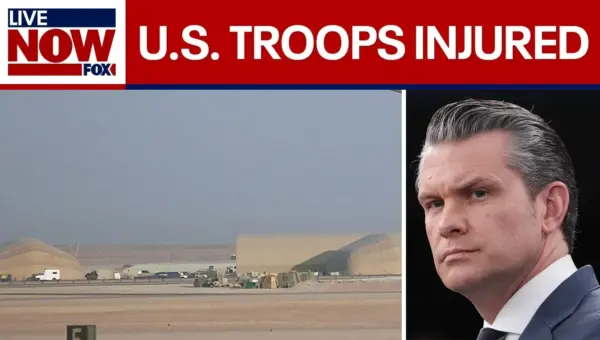
An Iranian missile attack on Prince Sultan Air Base in Saudi Arabia wounded multiple U.S. service members and damaged aircraft. The incident highlights the ongoing risks in the Middle East and the limitations of air defense systems. Analysts discuss the strategic implications, economic pressures, and the isolation of Iran amidst the conflict.