Israel Strikes Iranian Proxies Amid Escalating Tensions
Israel has launched significant airstrikes against Hezbollah targets in Lebanon, a move seen as preemptive action ahead of a potential wider conflict with Iran. Amidst strained diplomatic talks and an increased US military presence in the region, the situation is highly volatile.

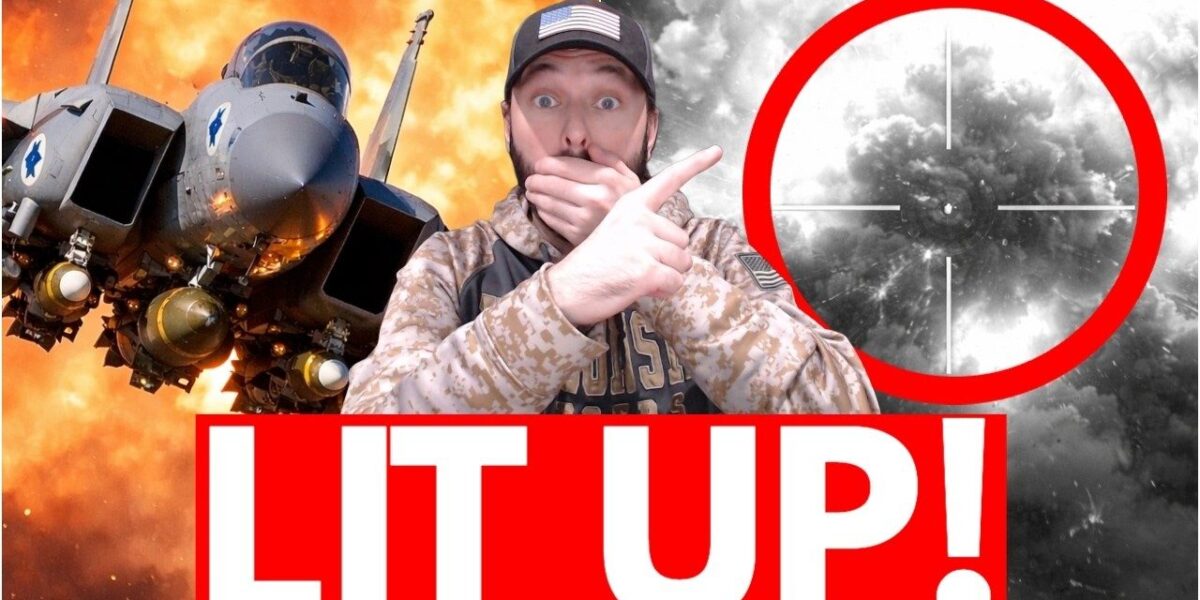
Israel Launches Airstrikes Against Hezbollah Targets
On February 26th, Israel initiated a significant wave of airstrikes targeting Hezbollah positions in Lebanon. These strikes are widely interpreted as a preemptive measure aimed at neutralizing Iran’s most potent proxy force ahead of a potential broader conflict involving Iran, the United States, and Israel. Hezbollah, a heavily armed and experienced group with missile capabilities, has previously indicated its intention to join any war against Israel on Iran’s behalf. The Israeli Defense Forces (IDF) reportedly struck eight key sites, primarily focusing on weapon storage facilities and positions of Hezbollah’s elite Radwan force, in an effort to degrade their capabilities before a wider engagement.
US Weighs Strategic Approach to Potential Iran Conflict
Adding a complex layer to the escalating situation, a report from Politico suggests that senior advisors within the former Trump administration are advocating for Israel to strike Iran first. The rationale behind this strategy is reportedly political: an Israeli attack, followed by Iranian retaliation, could galvanize American public support for a US military response. Recent polling indicates that while the American public may favor regime change in Iran, there is significant reluctance to risk American casualties, particularly in a ground invasion. The preference appears to be for an air campaign, which an Israeli first strike could theoretically facilitate by creating a clearer political justification for US involvement.
Diplomatic Channels Appear Strained
Amidst the military posturing, diplomatic efforts to de-escalate the situation appear to be faltering. Sources familiar with the US-Iran nuclear talks in Geneva report that significant gaps remain between Washington and Tehran, painting a grim picture for the success of these negotiations. These talks are increasingly viewed by observers as a stalling tactic by Iran, aimed at buying time rather than genuinely pursuing an agreement. The failure of these diplomatic avenues further fuels concerns that military confrontation may be increasingly inevitable.
Regional Proxies on High Alert
The conflict is expected to involve multiple Iranian proxies across the region. Beyond Hezbollah in Lebanon, the Houthi movement in Yemen, another well-funded and armed Iranian proxy, is also expected to enter the fight if a war erupts. The Houthis possess anti-ship missile capabilities, posing a significant threat to maritime interests in the region. The coordinated threat from these proxies underscores the complex, multi-front nature of any potential future conflict.
US Military Assets Surge into the Region
In response to the heightened tensions, the United States has been steadily increasing its military presence and assets in the Middle East. This includes the deployment of additional fighter jets, with a dozen F-15s reportedly en route to Europe before heading to the region. These reinforcements join existing US air power, including F-15s in Jordan, F-22s in Israel, and F-35s potentially stationed in Jordan, Saudi Arabia, and the UAE. Furthermore, intelligence gathering operations have intensified, with spy drones flying sorties over Iran and the Persian Gulf. The presence of American KC-46A refueling tankers arriving in Israel signals a readiness for sustained air operations. These movements suggest a strategic preparation for imminent conflict.
Mysterious Explosions in Iran Add to Uncertainty
Adding to the volatile atmosphere, Iran has experienced a series of unexplained explosions in recent weeks. The latest incident involved a massive blast at an industrial complex in Abadan, Iran, causing extensive damage. This marks at least the 16th such mysterious explosion to occur within Iran over the past several weeks, further contributing to regional instability and raising questions about the underlying causes.
Looking Ahead: A Tipping Point?
As of February 26th, the situation remains highly fluid and rapidly developing. Israel’s preemptive strikes against Hezbollah, coupled with the US military buildup and the apparent collapse of diplomatic negotiations, indicate a significant escalation. The coming days will be critical in determining whether these actions lead to a full-blown regional war. The strategic calculus of the US and its allies, the response from Iran and its proxies, and the reaction of the international community will all play crucial roles in shaping the unfolding events.
Source: BREAKING: Israel BOMBS Iran's Proxies – TOTAL WAR IMMINENT (YouTube)

Related Articles


Trump: Iran Strikes Ahead of Schedule, Expects ‘Great Deal for World’
Three U.S. service members have been killed amid escalating conflict with Iran, President Trump confirmed. He stated that strikes are ahead of schedule, with senior Iranian leaders killed, and expressed optimism for a "great deal for the world" despite ongoing talks with Iranian officials.
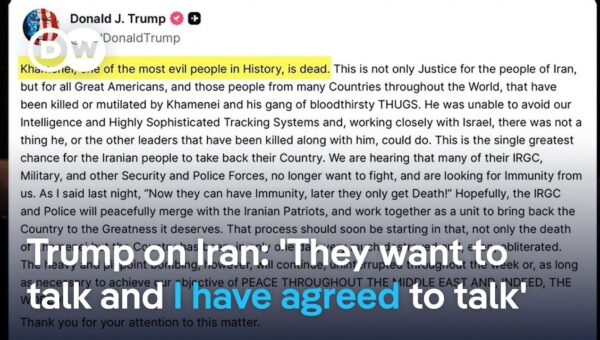
Trump Agrees to Talks with Iran After Major Strikes
President Donald Trump has agreed to talks with Iran's leadership following coordinated strikes that reportedly killed key figures, including the Supreme Leader. While Trump claims significant military successes, U.S. strategy remains unclear, and public opinion shows limited support for the actions amid rising American casualties.

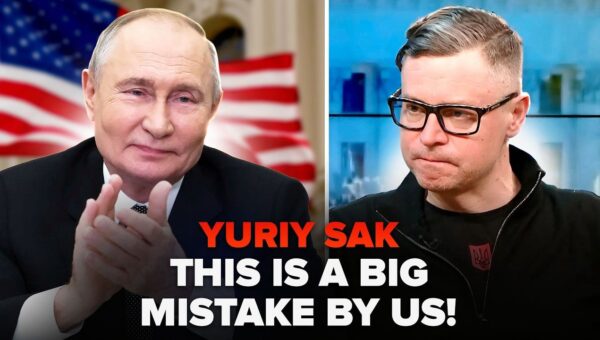
Trump’s Putin Stance: US Strategy and Global Implications
Analysis suggests Donald Trump's approach to the Ukraine war involves pressuring Kyiv, but US involvement is crucial for resolution. China's influence and the 'MAGA' agenda's geopolitical implications are key factors.