Israel Strikes Iran Nuclear Sites Amid Stalled Talks
Israel has struck key Iranian nuclear facilities, including uranium enrichment and heavy water plants, amid stalled international negotiations. The U.S. is pushing for a deal to curb Iran's nuclear ambitions while also seeking allied support to secure the vital Strait of Hormuz.

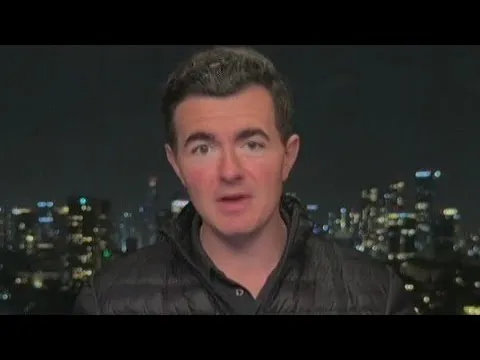
Israel Targets Iranian Nuclear Facilities as Diplomacy Falters
In a significant escalation, Israel has conducted strikes against key Iranian nuclear facilities, including a uranium enrichment plant and a heavy water plant. These actions come as international efforts to negotiate with Iran over its nuclear program face significant hurdles. The strikes signal Israel’s determination to prevent Iran from developing nuclear weapons, even as diplomatic channels remain open but unproductive.
Stalled Negotiations and Shifting Alliances
The United States, through Secretary of State Marco Rubio, confirmed a 10-day pause in negotiations, meant to allow for discussions with Iran. However, Tehran has yet to provide a formal response to a 15-point plan submitted by the U.S. and its allies. While messages have been exchanged, indicating a potential willingness from Iran to discuss certain issues, clarity remains elusive regarding who will represent Iran and the specific topics for discussion.
This diplomatic uncertainty is compounded by Israel’s stated vow to escalate actions against Iran’s nuclear program. The Israeli Defense Forces (IDF) confirmed the strikes on the enrichment and heavy water facilities, both critical components of Iran’s nuclear production process. From the American perspective, the focus has been on eliminating Iran’s ballistic missile and drone production sites. However, the U.S. acknowledges that Iran has defensive mechanisms in place to hide its pursuit of nuclear weapons.
Securing the Strait of Hormuz: A Growing Concern
Despite these military actions and the focus on Iran’s nuclear ambitions, a critical concern remains: the security of the Strait of Hormuz. This vital waterway is crucial for global oil transport, and Iran’s actions have previously threatened its stability. Secretary Rubio has called for other countries to step up and help secure the strait, noting that the U.S. President has been critical of some allies for not contributing more.
Discussions about allied involvement in securing the Strait of Hormuz have been a significant part of international conversations. Germany has indicated a greater understanding of the U.S. position. France’s Foreign Minister outlined a plan for allies to establish an escort system for ships once the peak of hostilities passes. This system aims to ensure the safe movement of vessels and resume trade as quickly as possible. Over 20 countries have reportedly signed up to assist with this process.
Iran’s Nuclear Ambitions and International Pressure
The White House has communicated to Tehran its seriousness about reaching a deal. The goal is twofold: to de-escalate current fighting and to effectively end Iran’s nuclear ambitions, removing its ability to pose a nuclear threat. This objective is shared by many Gulf states and Israel, who do not want to see a nuclear-armed Iran. The current situation highlights a delicate balance between pursuing diplomatic solutions and employing forceful measures to prevent a nuclear proliferation crisis.
Historical Context and Future Scenarios
The tensions surrounding Iran’s nuclear program are not new. Decades of international diplomacy, including agreements like the Joint Comprehensive Plan of Action (JCPOA), have attempted to curb Iran’s capabilities. However, these efforts have often been marred by mistrust and setbacks. Israel, in particular, has historically viewed Iran’s nuclear program as an existential threat, leading to a series of covert and overt actions over the years.
The current strikes and diplomatic pause present several potential future scenarios. One possibility is that the increased pressure, both military and diplomatic, could push Iran back to the negotiating table with a more serious intent to compromise. Alternatively, the escalation could lead to a wider regional conflict, drawing in more international actors. A third scenario involves a continuation of the current state of affairs: ongoing low-level hostilities, punctuated by diplomatic stalemates and continued Iranian nuclear advancements, despite international efforts to prevent them.
Global Impact: Reshaping the World Order
The events unfolding in the Middle East have far-reaching implications for the global order. The security of crucial energy routes like the Strait of Hormuz directly impacts global energy prices and economic stability. The ongoing nuclear standoff with Iran tests the effectiveness of international sanctions and diplomatic frameworks designed to prevent nuclear proliferation. Furthermore, the actions of key players like Israel and the United States, and the responses of other global powers, shape regional alliances and influence the broader geopolitical balance of power.
The willingness of allies to contribute to maritime security in the Strait of Hormuz is a key indicator of collective action in a volatile region. If more countries commit to protecting vital shipping lanes, it could signal a renewed commitment to international cooperation. However, if nations remain hesitant, it could lead to increased instability and further empower actors who seek to disrupt global trade and security.
Source: Israel targets Iranian nuclear facilities in latest strikes | NewsNation Live (YouTube)

Related Articles

Iran Talks Gain 10 Days, But Markets Remain Skeptical
Iran has secured a 10-day extension for negotiations, but financial markets remain unconvinced, showing little reaction to the news. Rising energy and borrowing costs, coupled with geopolitical tensions, continue to pressure global markets and consumer spending.

Trump Blunders Into Iran Conflict, Lacks Strategy
Journalist David Cay Johnston argues that President Trump lacks a clear strategy in dealing with Iran, driven by falling poll numbers and personal ambition. Johnston warns of potential disaster, citing Trump's inexperience and the dangerous influence of Christian nationalism on U.S. policy.
Ukraine Hits Oil Terminals, Halting 40% of Exports
Ukraine has successfully targeted Russia's oil export terminals, disabling 40% of the nation's export capacity. This strategic shift follows an evolving campaign against Russian energy infrastructure, now focusing on the limited number of export facilities to maximize disruption.