Israel Strikes Hezbollah: Escalation Looms in Lebanon
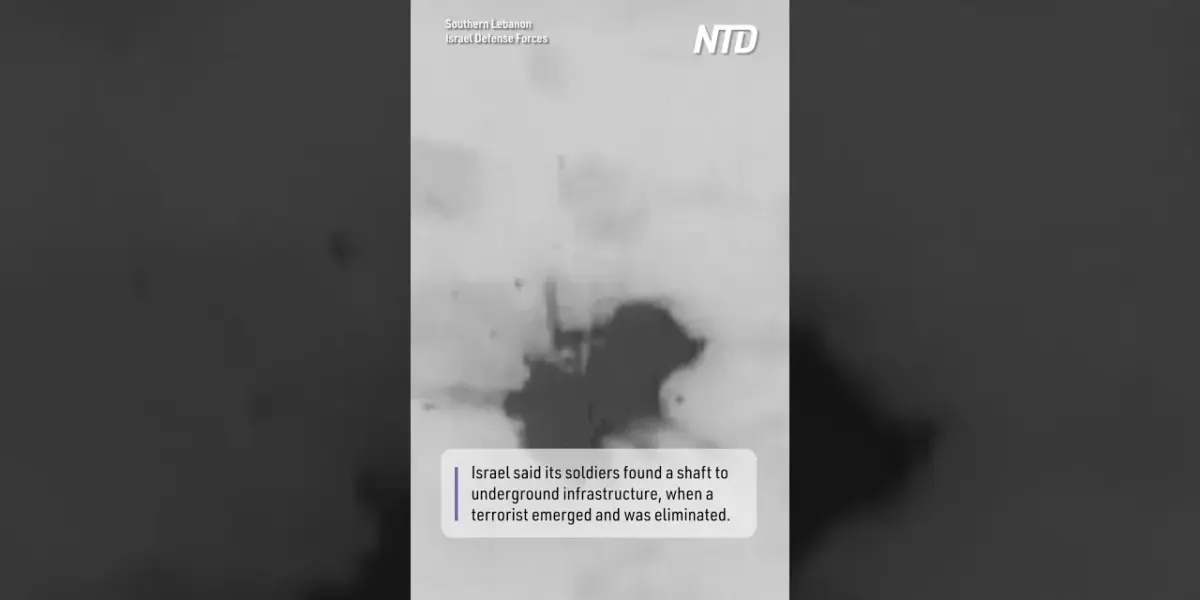
Israel's military has released video of strikes on Hezbollah in southern Lebanon, signaling a significant increase in tensions. These actions are part of a long-standing conflict, now exacerbated by the war in Gaza, raising fears of wider regional escalation.

Israel Strikes Hezbollah: Escalation Looms in Lebanon
The Israeli military recently announced it was carrying out targeted operations in southern Lebanon. This statement came with the release of video showing strikes against Hezbollah targets. These actions mark a significant increase in tensions between Israel and the Iran-backed militant group.
Background of the Conflict
The conflict between Israel and Hezbollah has a long and complex history. For years, the two sides have engaged in cross-border attacks, especially since the 2006 Lebanon War. Hezbollah, a powerful Shiite Islamist political party and militant group, controls large parts of southern Lebanon. Israel views Hezbollah as a major security threat due to its extensive rocket arsenal and stated goal of destroying Israel.
Recent Military Actions
The Israeli military’s recent video release shows what it claims are successful strikes on Hezbollah infrastructure and fighters. These operations are presented as a response to ongoing attacks from Lebanon into northern Israel. Hezbollah has also claimed responsibility for attacks, stating they are in support of Palestinians. The tit-for-tat exchanges have become a daily reality for communities on both sides of the border.
The nature of these strikes suggests a deliberate strategy by Israel to degrade Hezbollah’s military capabilities. This includes targeting launch sites for rockets and missiles, as well as command centers. However, Hezbollah has shown resilience and the ability to adapt its tactics, making the conflict a persistent challenge for Israeli security forces.
Broader Regional Implications
The situation in southern Lebanon is not isolated; it is deeply connected to the wider Middle East conflict. The current escalation is partly fueled by the ongoing war between Israel and Hamas in Gaza. Hezbollah has stated its actions are in solidarity with Gaza. This linkage raises concerns about a potential wider regional war, drawing in other Iran-aligned groups and potentially even Iran itself.
International actors are closely watching these developments. There is a strong desire to prevent a full-scale conflict that could destabilize the region further and have global economic consequences. Diplomatic efforts are likely underway behind the scenes, but the immediate focus remains on the military actions on the ground.
Why This Matters
The ongoing clashes between Israel and Hezbollah have direct and severe consequences for civilians living in border regions. Both northern Israel and southern Lebanon have seen significant displacement and destruction. The economic impact is also substantial, with communities struggling to recover from constant insecurity.
Furthermore, the risk of escalation cannot be overstated. A wider conflict could engulf the region in violence, leading to immense human suffering and further geopolitical instability. It would also have significant implications for global energy markets and international relations.
Future Outlook
The immediate future appears tense. Both sides seem prepared to continue their actions, fueled by the ongoing conflict in Gaza and long-standing animosity. Hezbollah’s capacity to launch rockets remains a significant concern for Israel, while Israel’s military superiority poses a constant threat to Hezbollah’s infrastructure.
The path forward will depend on several factors. These include the duration of the conflict in Gaza, the effectiveness of international diplomatic mediation, and the internal political situations within both Israel and Lebanon. Without de-escalation, the cycle of violence is likely to persist, with the potential for even more dangerous confrontations.
The release of military videos, like the one recently shared by Israel, serves multiple purposes. It is a form of communication to domestic and international audiences, showcasing military strength and justifying actions. It also acts as a psychological tool, aiming to deter further attacks from the opposing side.
Ultimately, the situation highlights the enduring challenge of managing conflicts in a volatile region. The actions taken today will shape the security landscape for years to come, with the hope that a broader, more devastating war can still be averted.
Source: Israeli Military Releases Video of Strikes on Hezbollah in Southern Lebanon (YouTube)

Related Articles
Beirut Reels From Attacks Amidst Fragile Peace Talks
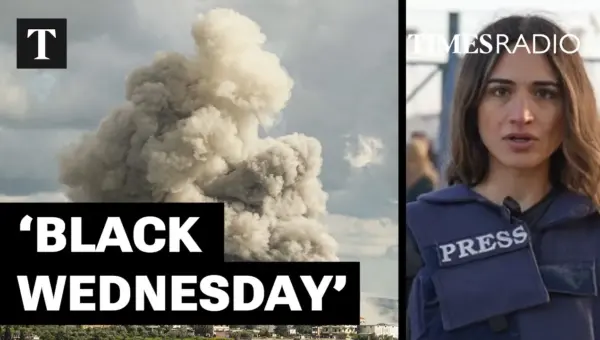
Beirut is in shock after devastating Israeli attacks killed over 350 people in a single day, marking the city's deadliest event in decades. Amidst widespread grief and a call for a ceasefire, Lebanon is preparing for unprecedented direct talks with Israel, a move met with mixed reactions and internal protests.

Israel Eyes Lebanon Peace Deal Amid Hezbollah Clashes
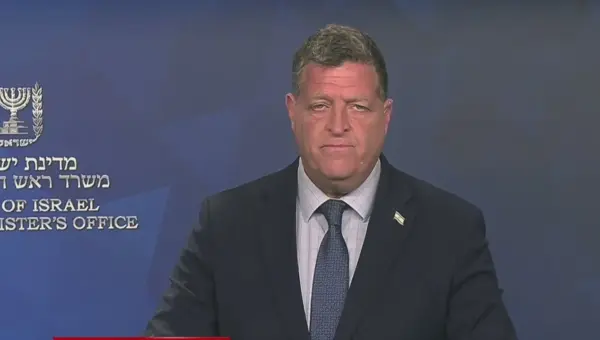
Israel is pursuing peace talks with Lebanon while continuing military operations against Hezbollah. An Israeli official expressed hope for a deal, emphasizing the need to dismantle Hezbollah and ensure border security. This dual approach aims to reshape regional stability.

Ukraine Offers Combat Expertise in Middle East War
Ukraine is leveraging its extensive combat experience to offer air defense expertise and drone technology to nations involved in the Middle East conflict. This move aims to forge new alliances, secure economic benefits, and bolster its global standing, despite facing rejections and internal challenges.