Israel Strikes Deep Inside Iran, Intelligence Reach Revealed
Israel has intensified its military operations, launching significant airstrikes into Beirut and continuing to target Iranian officials deep within Iran. An expert explains Israel's strategy, the degradation of Hezbollah, and the nation's extensive intelligence reach inside Iran. The conflict's broader implications for regional stability and potential global escalation are also discussed.

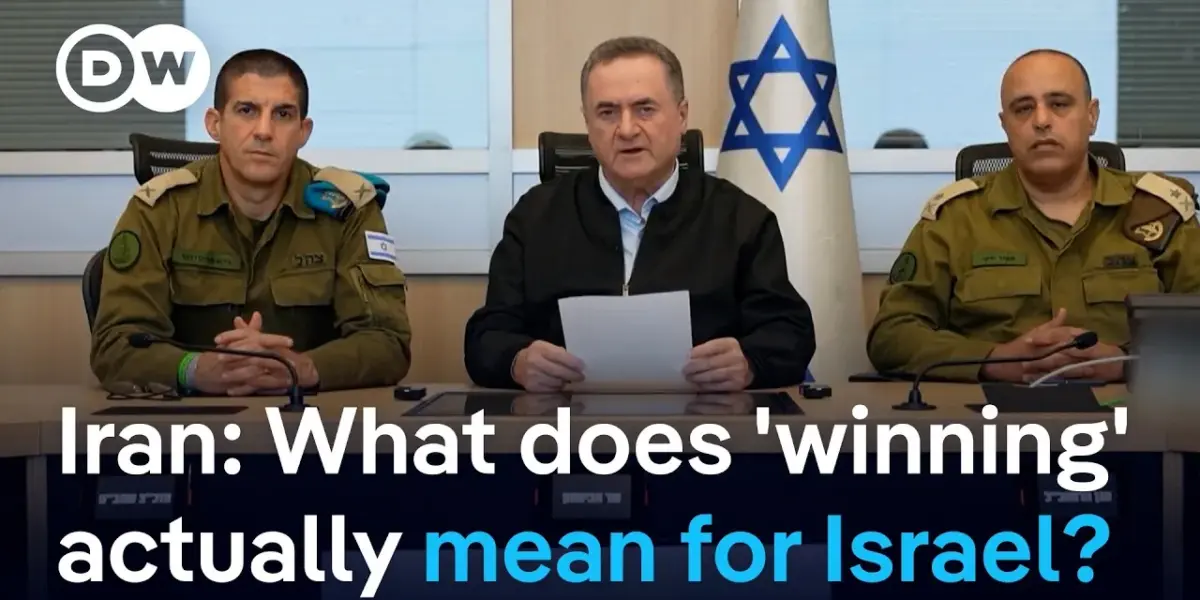
Israel Widens Strikes, Hits Beirut’s Core Amid Escalating Conflict
Warfare between Israel and Iran has intensified, with Israeli airstrikes reaching the heart of Lebanon’s capital, Beirut. On Wednesday, the Israeli military launched some of the most significant attacks of the ongoing conflict, targeting areas beyond the southern suburbs of Beirut to include the city’s central districts. Israel stated these strikes aimed at facilities used by Hezbollah, an Iranian-backed militant group. Lebanese officials reported that at least 12 people were killed when apartment buildings in residential neighborhoods were hit, with some residents expressing shock and fear.
One building in the Bashura area was completely destroyed. Locals stated that no fighters were present in the targeted building, claiming the strikes were aimed at causing pain to innocent civilians. The affected areas included neighborhoods near government buildings and foreign embassies. Residents reported receiving no warning before the missiles struck, catching them while they slept.
Hezbollah’s Almana TV reported that the director of its political programs and his wife were among those killed. The Israeli Defense Forces confirmed the strikes in Beirut and southern Lebanon, stating they were a response to dozens of rockets fired into Israeli territory on Tuesday. While Israel claimed warnings were issued for some locations, Lebanese authorities reported that Israeli strikes have resulted in over 900 deaths and displaced more than a million people since March 2nd.
Expert Analysis: Israel’s Strategy and Hezbollah’s Degradation
Ron Zmp, director of the Iran and the Shiite Axis program at the Institute for National Security Studies in Tel Aviv, discussed Israel’s strategy. He noted that most targets have been related to Hezbollah, with few exceptions like bridges in southern Lebanon or strikes on Iranian or Palestinian officials in Beirut. Zmp explained that while some in Israel advocate for more pressure on the Lebanese government to disarm Hezbollah, Israel has primarily targeted Hezbollah infrastructure rather than state assets.
Zmp believes there’s a shared interest between Israel and the current Lebanese government in disarming Hezbollah. He highlighted Israel’s past efforts to convince the Lebanese government and army to dismantle Hezbollah’s infrastructure since a 2024 ceasefire, but these efforts were deemed insufficient. Zmp is convinced that Hezbollah is being degraded but emphasized that the main challenge is creating circumstances to end Hezbollah’s status as a “state within a state.” He stressed that without disarming Hezbollah with the Lebanese government’s cooperation, further Israeli action would be inevitable.
Israel’s Deep Intelligence Reach into Iran
The conversation shifted to Israel’s intelligence capabilities within Iran. Israeli Defense Minister Yoav Gallant announced that senior Iranian officials could be neutralized without needing further approval, signaling a direct targeting strategy. This announcement followed reports of three key Iranian security officials being killed in a week.
Mr. Zmp stated that Israel’s deep intelligence penetration into Iran is not a new revelation. He cited examples from previous conflicts, including the killing of a top Iranian commander and the assassination of a Hamas leader in Tehran. Zmp believes these actions indicate that while Israel and the United States may not aim to topple the Iranian regime through airstrikes, they are actively working to weaken Iran’s political and security establishments and its repressive capabilities.
The War’s Trajectory and Potential Escalation
Regarding the war’s duration, Zmp suggested that the crisis in the Strait of Hormuz, rather than specific targets within Iran, is the main obstacle to ending the conflict. He indicated that Israel expects the campaign against Iranian officials and infrastructure to continue for several more weeks. The end of the war, in his view, hinges more on factors like the energy sector and Iran’s attempts to block trade routes than on the extent of Israeli strikes within Iran.
If US President Trump were to declare the war over, Zmp explained, it would make it harder for Israel to further weaken the Iranian regime and support potential protest movements. It would also complicate Israel’s goal of degrading Iran’s nuclear and ballistic missile capabilities, potentially allowing Iran to reconstitute them as it did after a previous conflict.
Zmp also addressed the risk of the conflict spreading beyond the Middle East. He believes the primary threat to Europe and the United States lies in Iran’s potential use of terrorist cells and infrastructure. He does not foresee Iran launching missile attacks on Europe but acknowledged the possibility of Iran utilizing terrorist capabilities if it possesses the intelligence and operational means to do so.
Defining ‘Winning’ and US-Israel Relations
Israeli President Isaac Herzog expressed confidence in overcoming the enemy, believing that the people of Iran will rise up, leading to significant change in the Middle East. However, Zmp offered a more nuanced view on Israel’s definition of “winning.” He stated that while regime change in Iran is an ultimate objective, it seems unrealistic during the current war.
Instead, Israel seeks a significantly weakened Iranian regime, even if it remains the same leadership. A weaker regime, Zmp explained, would be less capable of handling internal crises and less able to pose a military threat to Israel. He also touched upon political developments in Washington D.C., referencing a former Trump intelligence official’s claim that the US was pressured into the war by Israel.
Zmp acknowledged close cooperation between President Trump and Prime Minister Netanyahu but also noted growing criticism within the United States regarding the war’s economic costs. He suggested that President Trump might eventually decide to end the war, though not immediately. Zmp warned against underestimating the growing criticism in both Democratic and Republican parties concerning Israel’s influence on US policy towards Iran.
Source: How deep Israel's intelligence penetration inside Iran really is | DW News (YouTube)

Related Articles

Iran Escalates Global Conflict, Threatens World Economy
Yemen's Houthi rebels have officially joined the conflict, launching ballistic missiles at Israel and escalating regional tensions. This move threatens vital shipping lanes like the Red Sea's Bab al-Mandab strait, potentially causing catastrophic economic consequences. Meanwhile, US soldiers have been injured in Iranian missile strikes, adding to the mounting human and financial costs of the escalating war.


Trump’s Iran Claims: Shocked or Deluded by War Games?
Donald Trump claimed surprise over Iran's actions in the Strait of Hormuz, but experts suggest retaliation was inevitable. Military war games likely predicted such a scenario, raising questions about the advice given to the President.

Israel’s Strategy Against Iran Revealed
Israel's strategy to counter Iran's nuclear ambitions and regional influence centers on containment, utilizing a mix of covert military actions, intelligence operations, and diplomatic pressure. Analysts highlight the growing urgency due to Iran's nuclear advancements, while also noting the persistent risk of escalation in the volatile Middle East.