Israel Strikes Beirut Suburbs, Escalating Regional Tensions
Israel has renewed airstrikes on Beirut's southern suburbs, targeting financial institutions linked to Hezbollah. This escalation follows Hezbollah's retaliatory attacks on Israel after the killing of Iranian Supreme Leader Ayatollah Ali Khamenei.

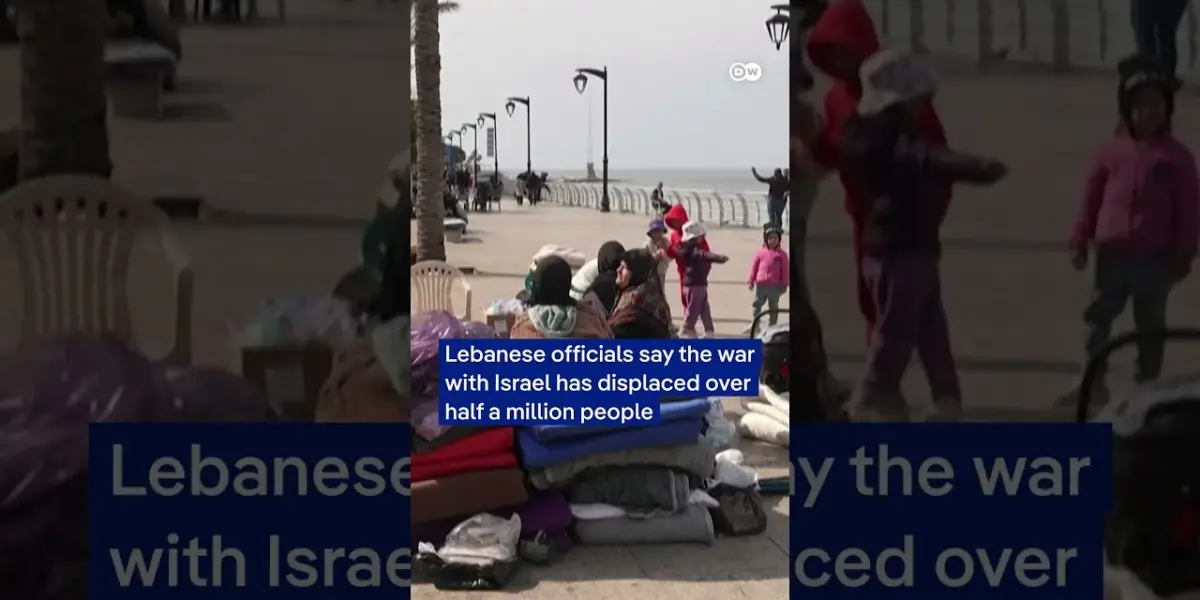
Israel Renews Strikes on Beirut’s Suburbs Amidst Escalating Conflict
Beirut, Lebanon – Israel launched renewed airstrikes on the southern suburbs of Beirut on Monday, escalating the ongoing conflict that has drawn Lebanon deeper into the wider Middle East war. The strikes targeted areas identified as being linked to financial institutions associated with the Iranian-backed militant group Hezbollah. This development follows a week of heightened cross-border hostilities, ignited by Hezbollah’s attacks on Israel in response to the killing of Iranian Supreme Leader Ayatollah Ali Khamenei in US-Israeli strikes.
Background to the Escalation
The current wave of violence began last week when Hezbollah initiated attacks against Israel. This action was explicitly stated as a response to the assassination of Ayatollah Ali Khamenei, a pivotal figure in Iran’s political and religious landscape. The assassination itself was attributed to combined US-Israeli military operations, marking a significant escalation in regional tensions and drawing Lebanon directly into the broader conflict.
Targeting Financial Networks
In a statement preceding Monday’s strikes, Israeli authorities indicated their intention to target financial entities connected to Hezbollah. The group, designated as a terrorist organization by several countries, has long been a significant player in Lebanese politics and a key adversary of Israel. The focus on financial branches suggests a strategic shift by Israel to disrupt Hezbollah’s funding and operational capabilities, potentially by targeting its economic infrastructure and its links to Iran, a major supporter of the group.
Regional Implications and Wider Conflict
The renewed strikes on Beirut’s suburbs carry significant implications for regional stability. The conflict, initially confined to the Gaza Strip and surrounding areas, has now demonstrably expanded, involving multiple state and non-state actors. The involvement of Hezbollah, a powerful non-state militia with significant political influence in Lebanon, and its direct retaliation against Israel, signals a dangerous broadening of the conflict. This situation raises concerns about a potential wider regional war, drawing in Iran, the United States, and other international powers with vested interests in the Middle East.
The killing of Ayatollah Khamenei by US-Israeli forces, as stated by Hezbollah, serves as a potent catalyst for the current escalation. This act, if confirmed to be the direct trigger, underscores the volatile nature of the geopolitical landscape in the Middle East, where the death of a major leader can have immediate and far-reaching consequences. The interconnectedness of the region’s conflicts means that actions taken against one actor, particularly a state like Iran or its proxies like Hezbollah, can rapidly destabilize other fronts.
Hezbollah’s Role and Capabilities
Hezbollah, a Shiite Islamist political party and militant group based in Lebanon, has been a prominent force in the region for decades. It possesses a substantial military arsenal, often described as being comparable to that of many national armies. The group’s involvement in conflicts, including its support for Syrian President Bashar al-Assad during the Syrian civil war and its ongoing confrontation with Israel, highlights its strategic importance and its capacity to influence regional dynamics. Targeting its financial networks is a direct attempt to weaken its operational capacity and its ability to sustain its military activities.
International Response and Concerns
While specific international responses to Monday’s strikes were not detailed in the initial report, the escalating situation is likely to draw increased attention from global powers. The United States, a key ally of Israel, and other international bodies will be closely monitoring the developments. The potential for a wider conflagration in the Middle East is a persistent concern for the international community, given the region’s strategic importance and the humanitarian consequences of prolonged conflict. Diplomatic efforts to de-escalate the situation and prevent further spread of violence are expected to be a priority, although the deep-seated animosities and complex web of alliances make such efforts challenging.
Looking Ahead
The coming days will be crucial in determining the trajectory of this escalating conflict. All eyes will be on whether Israel’s strikes on Beirut’s suburbs lead to further retaliation from Hezbollah or other regional actors. The international community will be watching for diplomatic interventions and the potential impact on global energy markets and regional stability. The focus on disrupting Hezbollah’s financial infrastructure could signal a prolonged campaign by Israel, leading to continued volatility in Lebanon and the broader Middle East.
Source: Israel strikes Beirut's suburbs | DW News (YouTube)

Related Articles


Iran Appoints New Leader Amid Escalating Global Tensions
Iran has appointed Mojtaba Khamenei, son of the former leader, as its new Supreme Leader amidst escalating international conflict. The war has driven oil prices to record highs, impacting global markets and American consumers. Meanwhile, the U.S. military toll rises, and travel faces significant disruption due to the government shutdown.

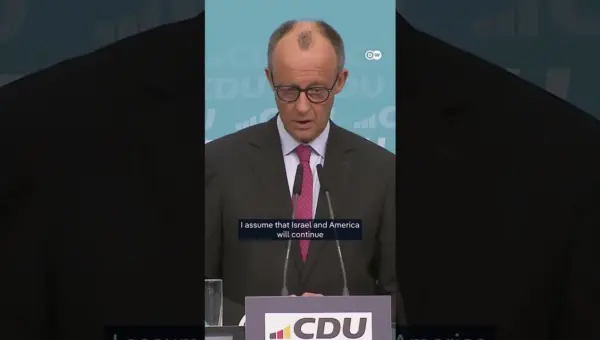
Merz: “Iran is the center of international terrorism, and must be shut down”
CDU leader Friedrich Merz has labeled Iran the "center of international terrorism" and called for the downfall of its current regime. Merz argued that regime change in Tehran is the quickest path to ending regional conflicts and that Iran's support for groups like Hamas and Hezbollah makes it a primary threat.

Israel’s Two-State Solution Hopes Fade Amidst Conflict
The two-state solution for the Israeli-Palestinian conflict is reportedly no longer a serious consideration in Israeli politics, according to Josh Glancy of The Sunday Times. Recent events and political shifts have accelerated this trend, while economic concerns mount over potential energy price shocks.