Israel Strikes Beirut Amid Escalating Lebanon Conflict
Israel has intensified its strikes on Beirut and issued unprecedented evacuation warnings for the city's southern suburbs as it expands its campaign against Hezbollah. This escalation raises significant concerns for civilian safety and regional stability, signaling a potentially broader conflict.

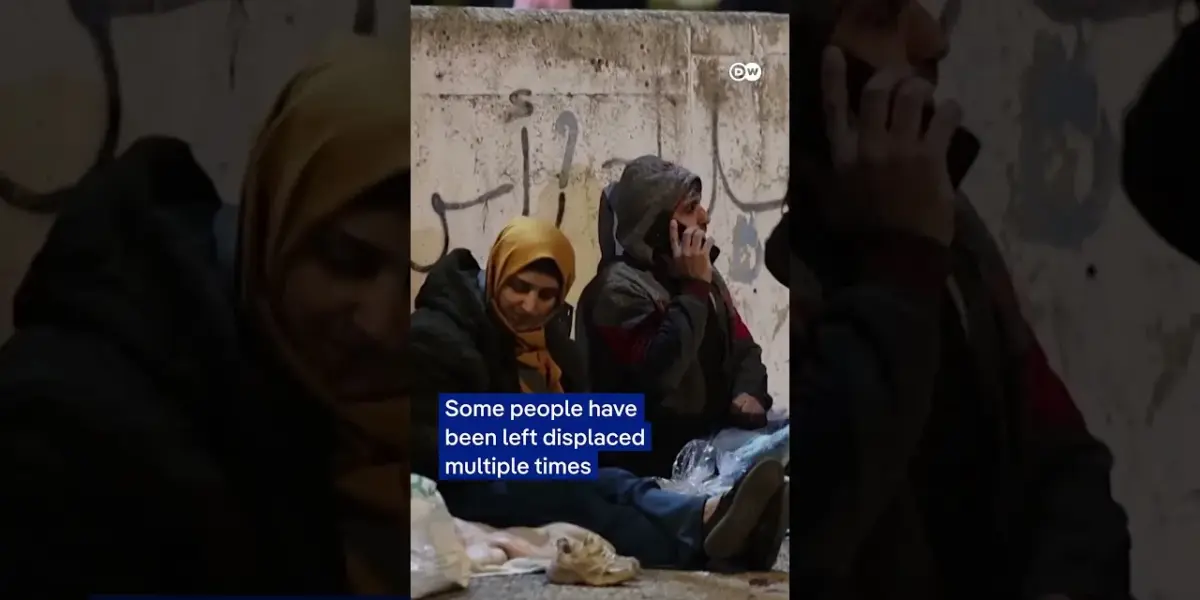
Israel Intensifies Strikes on Beirut, Orders Evacuation Warnings
Israel has significantly escalated its military operations in Lebanon, launching intensified strikes on the capital Beirut and its southern suburbs. The move, part of an expanding campaign against Iran-backed Hezbollah, includes an unprecedented, wide-reaching evacuation warning for residents in Beirut’s densely populated southern areas. This dramatic development signals a significant broadening of the conflict, raising concerns about civilian safety and regional stability.
Context of the Escalation
The heightened Israeli strikes follow a period of escalating cross-border skirmishes between Israel and Hezbollah. These exchanges have become more frequent and intense in recent weeks, following the outbreak of the Israel-Hamas war in Gaza. Hezbollah, a powerful Shiite political party and militant group, has stated its support for Hamas and has engaged in retaliatory attacks against Israeli targets in solidarity. Israel, in turn, has vowed to dismantle Hezbollah’s military capabilities, viewing the group as a significant threat to its northern border. The decision to target Beirut, a major political and economic hub, and to issue evacuation orders, marks a substantial shift in the nature and scale of the conflict.
Evacuation Orders and Civilian Impact
The evacuation warning issued for Beirut’s southern suburbs is a particularly alarming development. These areas are known strongholds of Hezbollah and are densely populated, housing a significant portion of the capital’s residents. The warning suggests that Israel anticipates further extensive military action in these zones, potentially involving heavy bombardment. The implications for the civilian population are severe, raising fears of displacement, humanitarian crisis, and increased casualties. The order, while framed as a precautionary measure, inevitably creates panic and disruption for hundreds of thousands of people. The exact number of people affected by the warning has not been specified, but the scale suggests a major population segment is being advised to leave their homes.
Israel’s Stated Objectives
Israeli officials have reiterated their commitment to neutralizing the threat posed by Hezbollah. The military’s stated objective is to create a security zone along the northern border, free from Hezbollah rocket fire and militant presence. The intensified strikes on Beirut and the surrounding areas are seen as part of this broader strategy to degrade Hezbollah’s military infrastructure, command centers, and weapons depots. By targeting key locations within the capital, Israel aims to disrupt Hezbollah’s operational capabilities and leadership. The government has emphasized that these actions are defensive in nature, designed to protect Israeli citizens from ongoing attacks originating from Lebanon.
Hezbollah’s Response and Regional Implications
Hezbollah has not yet issued a direct, comprehensive statement regarding the specific evacuation orders for Beirut’s southern suburbs. However, the group has consistently responded to Israeli actions with retaliatory attacks. It is expected that any further significant Israeli strikes will be met with a response, potentially further escalating the conflict. The involvement of Hezbollah in the ongoing regional tensions, particularly its alignment with Iran, raises concerns about a wider conflagration. A full-blown conflict between Israel and Hezbollah could have devastating consequences for Lebanon, which is already grappling with severe economic and political crises. It could also draw in other regional actors, further destabilizing an already volatile Middle East.
International Reaction and Concerns
The international community has expressed growing concern over the escalating violence between Israel and Hezbollah. Calls for de-escalation and restraint have been made by various nations and international organizations. The United Nations, in particular, has warned of the catastrophic humanitarian consequences of a wider conflict in Lebanon. Diplomatic efforts are likely underway to prevent further escalation, but the situation remains highly precarious. The risk of miscalculation or unintended escalation remains a significant concern, given the complex web of alliances and rivalries in the region.
Looking Ahead
The coming days will be critical in determining the trajectory of this escalating conflict. All eyes will be on Beirut and the Israeli-Lebanese border to see how both sides respond to the latest developments. The effectiveness of Israel’s military campaign against Hezbollah, the resilience of the group, and the response from regional and international actors will all play crucial roles. The humanitarian situation in Lebanon, particularly if civilian areas are heavily impacted, will also be a key focus. The potential for a wider regional war remains a grave concern, making diplomatic intervention and de-escalation efforts paramount.
Source: Israel bombs Beirut after evacuation orders | DW News (YouTube)

Related Articles


US Considers Boots on Ground in Iran Amid Escalating Conflict
The United States is reportedly considering deploying troops on the ground in Iran, signaling a potential escalation of the ongoing conflict. As the war expands into Lebanon and discussions turn to Kurdish involvement, Richard Engel reports from Tel Aviv on the intensifying regional tensions and Russia's alleged support for Iran.


US Demands Iran’s Surrender Amid Escalating War
President Trump has escalated demands for Iran's unconditional surrender amidst a widening conflict, with new reports suggesting consideration of U.S. ground troops. Meanwhile, escalating airstrikes, including a potential U.S.-linked attack on an Iranian school, and economic turmoil grip global markets.

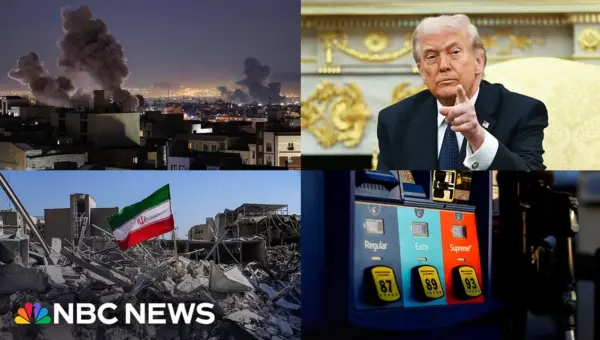
US Weighs Iran Ground Troops Amid Escalating Strikes, Global Fallout
The U.S. is reportedly considering deploying ground troops to Iran amidst intensifying military strikes by U.S. and Israeli forces. The conflict has expanded to Lebanon, with clashes involving Hezbollah, and has triggered significant economic fallout, including soaring oil prices. Investigations are also underway into a strike on an Iranian school.