Israel Strikes Beirut: 203 Dead in Fierce Bombardment
Israel's intense bombardment of Beirut on Wednesday resulted in at least 203 deaths and over 1,000 injuries, marking the highest single-day toll in the ongoing conflict with Hezbollah. Meanwhile, a U.S.-Iran ceasefire remains fragile, with renewed hostilities and key sticking points like Iran's nuclear program and the Strait of Hormuz dominating diplomatic efforts.

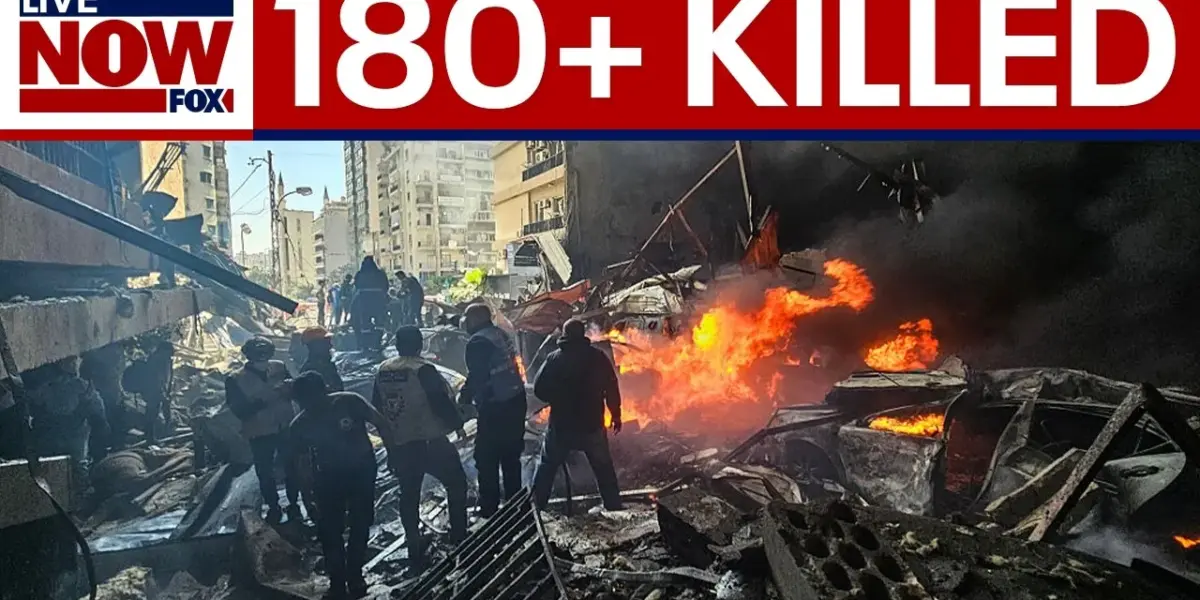
Israel Strikes Beirut, Killing Over 200 Amid Ceasefire Uncertainty
At least 203 people were killed and more than 1,000 wounded in widespread Israeli strikes across central Beirut and other areas of Lebanon on Wednesday. Lebanon’s health ministry reported the grim toll, marking the highest single-day death count in more than five weeks of renewed conflict between Israel and the militant group Hezbollah. The Israeli military stated it targeted Hezbollah sites, but many strikes hit densely populated commercial and residential areas without warning during afternoon rush hour, leading to significant civilian casualties.
Netanyahu Vows Continued Strikes Against Hezbollah
Israeli Prime Minister Benjamin Netanyahu declared that Israel would continue its operations against the Iran-backed Hezbollah militant group in Lebanon with “force, precision, and determination.” He issued a stern warning, stating, “Whoever acts against the citizens of Israel will be harmed.” Israel intensified its strikes following the announcement of a two-week ceasefire with Iran, emphasizing that its conflict with Hezbollah was not part of that agreement. The Israeli military reiterated its commitment to striking the group and ensuring the security of northern Israel.
Ceasefire Fragile Amid Renewed Hostilities
The situation on the ground remains volatile, casting doubt on the effectiveness of a recently announced two-week ceasefire between the U.S. and Iran. The ceasefire appeared to falter as rockets were launched from Iran towards Persian Gulf allies shortly after its announcement. Iran also reportedly closed the Strait of Hormuz again, citing an Israeli attack against a Lebanese proxy. This action highlights the ongoing tensions and the difficulty in achieving lasting peace.
U.S. Forces to Remain Near Iran Until Peace Deal
U.S. forces will remain stationed near Iran until a lasting peace agreement is finalized, according to a statement from President Trump on Truth Social. He emphasized that U.S. military personnel would be on standby until a “real agreement” with Iran is secured. This commitment follows President Trump’s announcement of a two-week ceasefire, which he stated must include Iran being free of nuclear weapons and the Strait of Hormuz being reopened and safe. “America is back,” President Trump declared.
Key Sticking Points in Negotiations
Discussions surrounding a potential peace deal face significant hurdles. One major demand from the U.S. is that Iran cease all nuclear capabilities, a goal that experts view as challenging given Iran’s long-standing nuclear ambitions. Iran has consistently stated that giving up enrichment is a red line. Another point of contention is Iran’s support for regional proxies, including Hezbollah. Iran has recently added halting attacks against these groups to its list of demands, which some analysts see as a counter-demand to U.S. calls for Iran to stop terror financing globally.
Strait of Hormuz: A Critical Point of Leverage
Control of the Strait of Hormuz remains a critical element in the negotiations. Iran has used its influence over this vital waterway as a primary form of leverage, even more so than its ballistic missiles. The situation at the Strait is described as a new phase, where Iran has not fully blockaded it but selectively allows ships passage while targeting others. This tactic allows Iran to escalate pressure without overtly violating the ceasefire. Iran has used Israeli actions in Lebanon as a justification for closing the Strait, while still permitting passage for certain vessels, such as Chinese ships, in a strategic move to gauge international support and isolate U.S. decision-making.
Pakistan to Host Peace Talks; Vice President Vance to Lead U.S. Team
Talks aimed at seeking a permanent end to the war could begin in Islamabad, Pakistan, as soon as Friday. The White House confirmed that Vice President JD Vance will lead the U.S. negotiating team. However, experts express skepticism about the likelihood of success. The ongoing negotiations have seen a series of U.S. representatives, including Wickoff and Kushner, attempt to engage with Iran, with limited progress. Analysts note that Iran often signals openness in abstract terms but backpedals on specific promises, leading to stalemates.
Future of Diplomacy and Potential Escalation
The path forward remains uncertain, with a significant possibility of continued escalation if diplomatic efforts fail. Experts suggest that if negotiations collapse, Washington might escalate its response, potentially targeting Iranian infrastructure or pivoting its strategy to leverage internal unrest within Iran. The lack of behavioral change from Iranian decision-makers thus far makes the prospects for diplomacy appear unfavorable. The core challenge remains achieving systemic change within Iran, rather than just degrading its military capabilities, to ensure lasting peace in the region.
Source: At least 182 killed as Israel strikes central Beirut (YouTube)

Related Articles


Iran Peace Talks Stall: US, Iran Far Apart on Nuclear Deal
US-Iran peace talks have ended after 21 hours without an agreement, with Vice President JD Vance stating Iran refused to commit to abandoning its nuclear weapons program. The collapse of negotiations adds to regional tensions as a ceasefire between Israel and Hezbollah is set to expire next week.
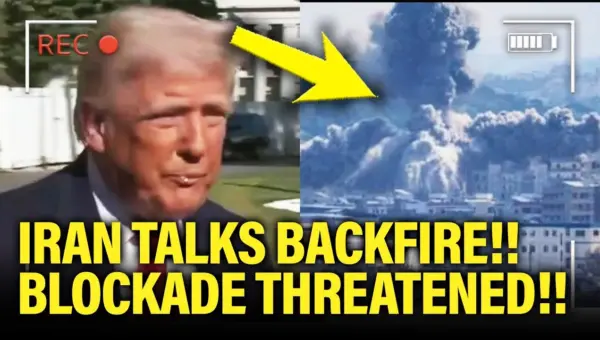
US-Iran Talks Collapse Amid Threats, Escalating Tensions
U.S.-Iran negotiations in Pakistan have collapsed following alleged U.S. attempts to alter a prior agreement. This breakdown has led to threats of a naval blockade and raises concerns about global economic stability and shifting geopolitical alliances, particularly regarding China's growing influence.
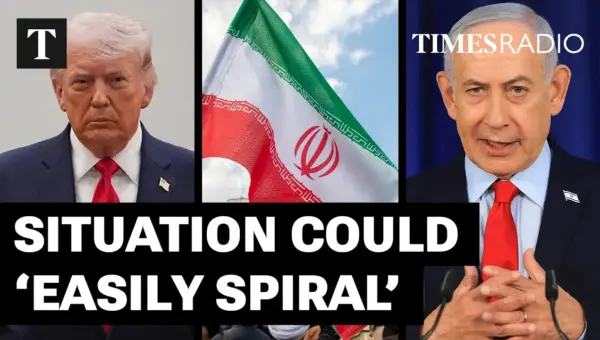
Middle East Conflict Risks ‘Easily Spiral Out Of Control’
Diplomatic efforts between the U.S. and Iran have stalled amid deep mistrust, raising concerns that the Middle East conflict could "easily spiral out of control." Talks in Islamabad ended without progress, while the Strait of Hormuz remains a critical flashpoint. Experts warn of potential escalation, including naval blockades or a return to full hostilities.