Israel Pushes US into Iran War: A Geopolitical Analysis
A new analysis claims Israel influenced the U.S. into conflict with Iran, focusing on weakening Iran's military capabilities. The report highlights shifting regional alliances and U.S. energy dominance, while questioning media narratives.

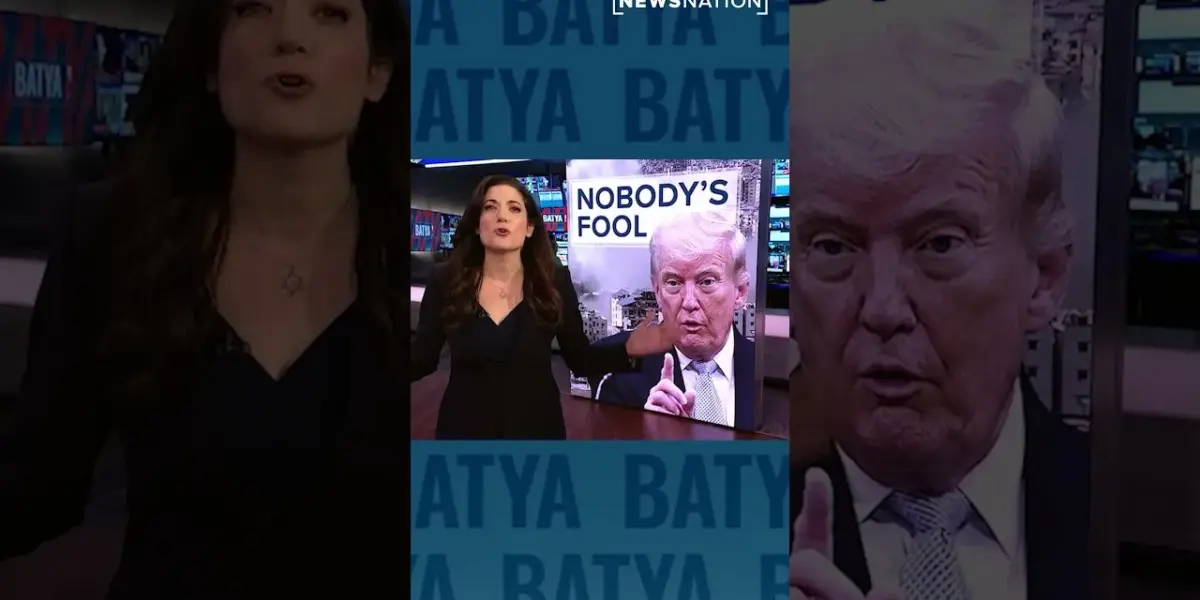
Israel Pushes US into Iran War: A Geopolitical Analysis
A recent report suggests Israel played a key role in drawing the United States into conflict with Iran. This analysis looks at the complex interests of the nations involved and how this situation might change the global power balance.
Netanyahu’s Goals and US Intelligence
In early February, Israeli Prime Minister Benjamin Netanyahu met with then-President Trump at the White House. The New York Times reported that Netanyahu laid out four main goals regarding Iran. He wanted to see Ayatollah Khamenei removed from power. He also aimed to weaken Iran’s ability to threaten its neighbors. A popular uprising within Iran was another objective. Finally, Netanyahu desired a change to a secular leader replacing the current Islamic government.
However, U.S. intelligence officials had a different assessment. They told President Trump that only the first two goals were realistic. Killing Ayatollah Khamenei and damaging Iran’s missile program were seen as achievable. Regime change was described as unlikely, or ‘forcible.’ This led to a crucial question: were the achievable goals, like targeting Iran’s missiles and leadership, worth pursuing on their own?
Shifting Strategy and Media Coverage
Secretary of State Mike Pompeo (referred to as ‘Marco Rubio’ in the transcript, likely a misstatement) advised President Trump. He suggested that if the main goal was regime change, the U.S. should not proceed. But if the aim was to destroy Iran’s missile program, that was a goal they could achieve. Pompeo reportedly believed it was a necessary action.
President Trump then told his advisors they needed to ensure Iran could not develop nuclear weapons or launch missiles across the region. The transcript claims success in these areas, stating Iran’s ballistic and nuclear capabilities were significantly weakened. However, the media coverage, particularly from The New York Times, focused on a different narrative. Some outlets presented the situation as Israel misleading the U.S. into an unwinnable war based on false promises. This reporting suggested Israel ‘snookered’ President Trump into a conflict.
The analysis argues that this media framing missed key aspects. It suggests the New York Times piece highlighted an ally (Israel) promoting its own interests. It also points out that President Trump chose the strategy most beneficial to the U.S. The report claims the New York Times article failed to mention Saudi Arabia’s significant role.
Saudi Arabia’s Influence and Different Narratives
Saudi Arabia’s Crown Prince Mohammed bin Salman (MBS) reportedly urged President Trump to take military action against Iran. Furthermore, MBS has encouraged President Trump to continue the operation until its completion. The author questions why there isn’t similar breathless media coverage about Saudi Arabia’s influence on U.S. policy, using the phrase ‘no Jews, no news’ to imply bias in reporting.
Other media outlets, like The Economist, are also criticized. The Economist reportedly suggested that President Trump was losing the conflict. It stated that while not all wars have winners, every war has losers, and a ceasefire would make Trump the biggest loser. The author dismisses this view as ‘nonsense,’ emphasizing that the war’s outcome is still uncertain and in flux.
Geopolitical Realities and Shifting Alliances
Despite the media narratives, the analysis asserts several key outcomes. It claims Iran’s ballistic and nuclear programs have been effectively dismantled. It also states that China and Russia have been exposed as weak players in the conflict. The author believes future generations will not have to worry about a nuclear-armed Iran.
Economically, the U.S. is now forcing China to purchase oil at market rates. This gives the U.S. significant bargaining power in trade negotiations with China. The U.S. has also reportedly restored the dominance of the petro dollar, a system where oil is traded in U.S. dollars. This strengthens the dollar’s global position.
Furthermore, the conflict has brought Saudi Arabia and Qatar closer to the United States and Israel. This suggests a realignment of regional partnerships. The transcript also criticizes NATO allies, calling them ‘freeloading traders’ who have not contributed enough. The U.S. is presented as reasserting its position as the world’s sole superpower, largely due to its energy independence and dominance.
Global Impact and Future Scenarios
This situation, if accurate, represents a significant shift in global power dynamics. By weakening Iran’s military capabilities and influencing regional alliances, the U.S. has demonstrated its willingness to act decisively. The alleged success in neutralizing Iran’s nuclear and missile threats could reduce regional instability in the long term.
However, the long-term consequences remain to be seen. A weakened Iran could lead to power vacuums in the Middle East, potentially creating new challenges. The increased closeness between Israel, Saudi Arabia, and the U.S. could reshape regional security architecture, potentially marginalizing other actors. The strained relationship with NATO allies might weaken Western alliances, while China and Russia’s perceived weakness could embolden other nations or lead to different forms of competition.
One scenario is a stable Middle East with a contained Iran, allowing the U.S. to focus on other global challenges. Another is increased regional tension as Iran seeks to retaliate or as other powers vie for influence. A third scenario involves a fractured Western alliance, weakening collective security efforts. The author’s perspective emphasizes U.S. strength and strategic success, but a neutral analysis must consider all potential outcomes and the complex web of competing interests driving them.
Source: ‘The smoking gun’ in the Iran war: Batya (YouTube)

Related Articles

Vance Plays Peacemaker Amidst War’s Failed Promises
Vice President JD Vance is in a precarious position, attempting to broker peace in the Middle East after his administration's involvement in a war. Critics accuse him of hypocrisy and political maneuvering, questioning the sincerity of his anti-war stance and the potential outcomes of the current negotiations.

Iran Scrambles Drones, U.S. Warships Face Threats
Iran allegedly scrambled drones at U.S. warships in the Strait of Hormuz amidst tense negotiations. Reports also hint at potentially captured Iranian pilots in U.S. custody, adding another layer of intrigue to the volatile regional dynamics.

Iran Talks Stall: US ‘Arrogance’ Fuels Mideast Stalemate
Peace talks between Iran and the U.S. in Pakistan have stalled due to what Iran calls "excessive demands" and a U.S. attempt to alter a pre-agreed 10-point framework. Tensions are high, with both sides expressing deep mistrust and a readiness for conflict.