Israel Pledges Iran Nuclear Fight Amid Regional Tensions
Former Israeli PM Naftali Bennett reaffirms Israel's commitment to stopping Iran's nuclear program, despite ongoing conflict and casualties. He stresses the necessity of preemptive action to prevent a larger threat and discusses the US-Israel alliance in confronting Iran's ambitions.

Israel Pledges Iran Nuclear Fight Amid Regional Tensions
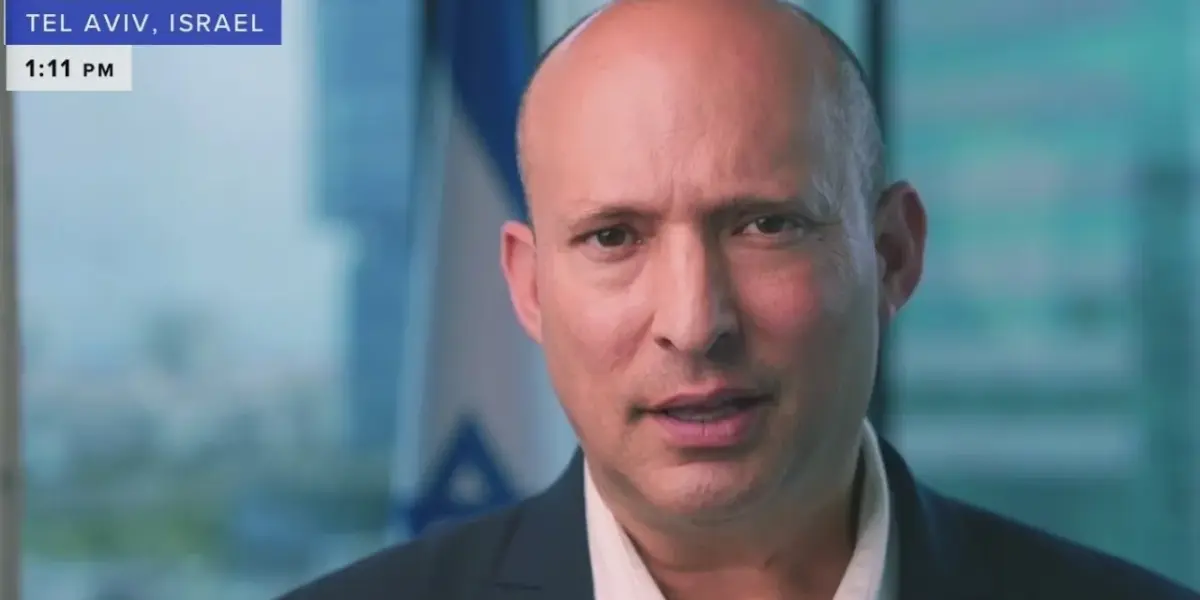
Former Israeli Prime Minister Naftali Bennett stated that Israel is committed to continuing its fight against Iran’s nuclear program. This commitment comes as the conflict, now in its second month, has resulted in significant Israeli casualties, including the recent death of a soldier. Bennett emphasized the Israeli public’s strong resolve, acknowledging the heavy price paid but stressing the necessity of preventing a much larger threat.
Public Resolve and Strategic Necessity
Bennett described the Israeli sentiment as resolute and tough. He explained that Israelis understand they are paying a high price now to prevent a threat that could be “100 fold the size” if Iran were to achieve nuclear capabilities. The ongoing operations are seen as removing missile and nuclear factories, contributing to a more secure Middle East. Despite frequent trips to bomb shelters and ongoing attacks, the civilian population is prepared to endure as long as necessary. Bennett believes this fight is for the security and dignity of people across the Middle East and Israel itself.
Imagine this same war 6 years from now when Iran would have, let’s say 8 or 10 ballistic and nuclear missiles with nuclear [weapons]. We do that. So we understand preemptive action is preventing a much, much worse situation.
US-Israel Alliance and Iran’s Nuclear Ambitions
Addressing reports that the Pentagon is preparing for potential ground operations if Israel becomes involved, Bennett clarified that Israel does not dictate to America. He highlighted Israel’s alliance with the United States and credited President Trump for deciding to confront this threat, unlike previous presidents who did not act decisively against North Korea or Iran. Bennett warned that inaction now would lead to a nuclear Iran within a few years. Israel’s primary goal, he stated, is to totally and permanently dismantle Iran’s nuclear program, its ballistic missile program, and its support for regional proxies.
The Long Road to Dismantling Threats
When asked if Iran would still be putting up such a fight weeks into the war, Bennett acknowledged that Iran is a large country. He noted that this conflict, or the threat it represents, has been developing for 47 years. Therefore, dismantling these capabilities will take time, more than the four weeks that have passed. Israel understands this and is prepared for a sustained effort, recognizing they are not children and need to approach this strategically.
Global Impact
This ongoing confrontation between Israel and Iran over its nuclear ambitions has far-reaching implications. It tests the resolve of both nations and signals a critical juncture in regional security. The potential for Iran to acquire nuclear weapons is a major concern for many global powers, not just Israel. The United States’ role as an ally of Israel, coupled with its own strategic interests in the region, means that any escalation could draw in other international actors. The conflict also highlights the complex web of proxy warfare and the persistent challenge of non-state actors supported by nations like Iran.
Historical Context
The current tensions are rooted in decades of animosity and a strategic rivalry between Israel and Iran. Iran’s pursuit of nuclear technology has been a point of contention since the 1970s, intensifying after the 1979 revolution. International efforts to curb Iran’s nuclear program, including sanctions and diplomatic negotiations, have had limited success. Israel has historically viewed Iran’s nuclear ambitions as an existential threat, leading to covert actions and stated commitments to prevent Iran from obtaining nuclear weapons. Previous agreements, like the Joint Comprehensive Plan of Action (JCPOA), aimed to limit Iran’s nuclear activities in exchange for sanctions relief, but their effectiveness and longevity have been debated.
Economic Leverage and Future Scenarios
Economic factors play a crucial role in this geopolitical struggle. International sanctions imposed on Iran have aimed to pressure its government into changing its behavior, particularly regarding its nuclear program and support for regional militias. However, Iran has often found ways to circumvent these sanctions, relying on its oil exports and other economic activities. Israel, on the other hand, benefits from strong economic ties with its allies, including the United States. The control of vital energy routes and resources in the Middle East also adds another layer of economic complexity, as disruptions could have global consequences. Several future scenarios are possible: a diplomatic breakthrough leading to verifiable limits on Iran’s nuclear program, a prolonged period of heightened tension and low-level conflict, or a more direct military confrontation with potentially devastating consequences for the region and beyond.
Source: Former Israeli PM Bennett: Israel will keep fighting to stop Iran’s nuclear ambitions | Morning in A (YouTube)

Related Articles


GOP Lawmaker Slams Dems’ ‘Word Games’ on Iran Threat
A GOP lawmaker criticizes Democrats for perceived hypocrisy on the Iran threat, accusing them of "word games" and downplaying danger while the White House provides financial aid. The congresswoman highlights past warnings about Iran's nuclear program and contrasts them with current Democratic stances.


Israel’s Death Penalty Bill Sparks Outrage, Faces Legal Challenge
Israel's parliament has passed a controversial death penalty law for Palestinians convicted of terrorism, sparking widespread protests in the West Bank and drawing international condemnation. The law, set to take effect in 30 days, faces a legal challenge at Israel's Supreme Court and has strained relations with European allies.

Keane Urges Decisive Action Against Iran’s Nuclear Program
General Jack Keane advocates for decisive military action against Iran's nuclear program, citing intelligence that Iran is actively rebuilding its capabilities. He argues that diplomatic efforts have been insufficient and that military operations are needed to prevent Iran from gaining nuclear leverage. The situation is complicated by international dynamics and alleged support for Iran from Russia and China.