Israel Planned Lebanon Attack Before Iran War
Israel had planned a ground invasion of southern Lebanon to target Hezbollah before the war with Iran began. This decision stemmed from Hezbollah's repeated refusal to disarm, violating a past ceasefire. The conflict has expanded, with Houthi missile attacks adding a new layer of regional tension.

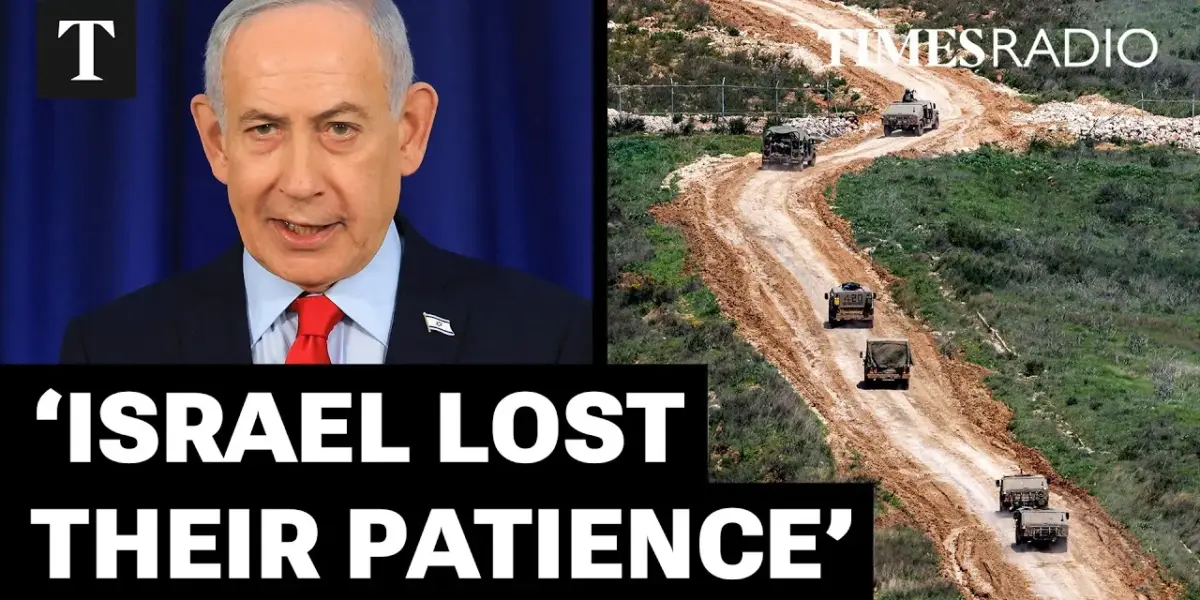
Israel Planned Southern Lebanon Attack Regardless Of Iran War
Israel had already planned a major military operation in southern Lebanon to target Hezbollah, even before the recent war with Iran began. This plan was set in motion because Hezbollah had repeatedly refused to disarm, breaking the terms of a previous ceasefire agreement. The Lebanese government and military also tried to disarm the group, but failed.
Hezbollah’s Ceasefire Violations
Sources close to the situation revealed that in the weeks and months leading up to the conflict with Iran, officials consistently stated that a significant operation in southern Lebanon was inevitable. This was due to Hezbollah’s failure to uphold its end of the ceasefire deal struck in November 2025. The ceasefire specifically required Hezbollah to disarm, a condition they openly disregarded.
Israel’s Patience Wears Thin
According to Middle East correspondent Jotam Kfir, Israel’s patience with Hezbollah’s non-compliance had run out approximately two months before the war with Iran started. This led to Israel preparing for a ground invasion of southern Lebanon. Kfir noted that many expected Hezbollah to remain inactive, especially after Israel had inflicted significant casualties on the group since the ceasefire took effect.
“For basically since the ceasefire was struck in November 2025, Hezbollah has reneged on their part of the deal. They have openly said over and over that they refused to disarm despite the ceasefire specifically stating that they have to and despite the Lebanese government and military trying to disarm them. And Israel lost their patience about a couple of months ago and they prepared for another ground invasion.”
Surprise Hezbollah Entry Into War
The decision by Hezbollah to actively join the conflict came as a surprise to many. Kfir explained that this move provided Israel with clear justification to take action against the group. Many believed Hezbollah had been weakened to a point where significant recovery would be necessary before they could re-engage militarily.
Expanding Conflict and Civilian Impact
Israeli Prime Minister Benjamin Netanyahu has announced plans for further military expansion in southern Lebanon. This escalation comes amid rising regional tensions. The conflict has also seen the Iranian-backed Houthis in Yemen launch missile attacks against Israel. These Houthie actions pose a significant challenge, as they target Israel from a great distance and also threaten shipping in the Red Sea, which is a major concern for the United States.
Houthi Threat and Israeli Response
Kfir described the Houthi involvement as another major headache for Israel. While Israel is already engaged with Iran and Hezbollah, they now face the prospect of needing to divert air power towards Yemen. Israel has stated it will not tolerate ballistic missile attacks from the Houthis. The group’s actions in the Red Sea could significantly disrupt global trade, impacting the U.S. and other nations.
Journalists or Terrorist Propagandists?
The conflict has also brought controversy regarding the deaths of Lebanese journalists. Israel has labeled these individuals as terrorists, while the Lebanese president has condemned their killings as a “brazen crime.” Kfir offered his perspective, stating that individuals working for media outlets operated by terror groups cannot be considered legitimate journalists. He argued that such work constitutes propaganda for organizations like Hezbollah, al-Qaeda, ISIS, or Hamas.
“When you work for a media that’s operated by a terror group, in my book, in many other journalist book, I would say you are not a journalist. I don’t want to be put in the same category as somebody who is doing media propaganda for al-Qaeda or ISIS or Hisba or Hamas for that matter.”
Information Warfare and Intelligence
However, Kfir also acknowledged that simply being a propagandist does not automatically grant Israel the right to assassinate individuals without proper evidence. He suggested that Israel likely possesses intelligence agents operating within Hezbollah, which is why they might be hesitant to reveal specific evidence. Exposing their methods could put these agents at risk.
Looking Ahead
As the conflict intensifies, the focus remains on Israel’s operations in southern Lebanon and its broader confrontation with Iran and its proxies. The involvement of the Houthis adds another layer of complexity, potentially drawing in more international attention and impacting global security. The situation highlights the intricate web of regional alliances and the ongoing challenges in achieving lasting stability.
Source: Israel Planned Southern Lebanon Attack Regardless Of Iran War (YouTube)

Related Articles


Gulf Allies Urge Trump to Continue Iran Conflict
U.S. allies in the Persian Gulf are urging President Trump to intensify military action against Iran, believing Tehran has not been sufficiently weakened. The ongoing conflict raises concerns about regional stability and global energy prices, while questions linger about the administration's long-term strategy.

Middle East Conflict Sends Gas Prices Soaring Past $4
The national average gas price has surpassed $4 per gallon for the first time since 2022, driven by escalating conflict in the Middle East. Recent attacks on oil tankers and military strikes have heightened fears of energy supply disruptions, impacting consumers globally.

US Weighs Troop Deployment Amid Iran Deal Push
The U.S. is considering deploying ground troops to Iran while simultaneously pushing for a diplomatic deal to reopen the Strait of Hormuz. Air strikes are ongoing as President Trump increases pressure on Iran.