Israel May Demolish Villages to Fight Hezbollah Threat
Israel is reportedly prepared to demolish villages in southern Lebanon to counter Hezbollah, drawing parallels to its operations in Gaza. This comes as the US pursues a peace plan with Iran, though details remain vague. The conflict highlights the complex military and diplomatic challenges in the region.

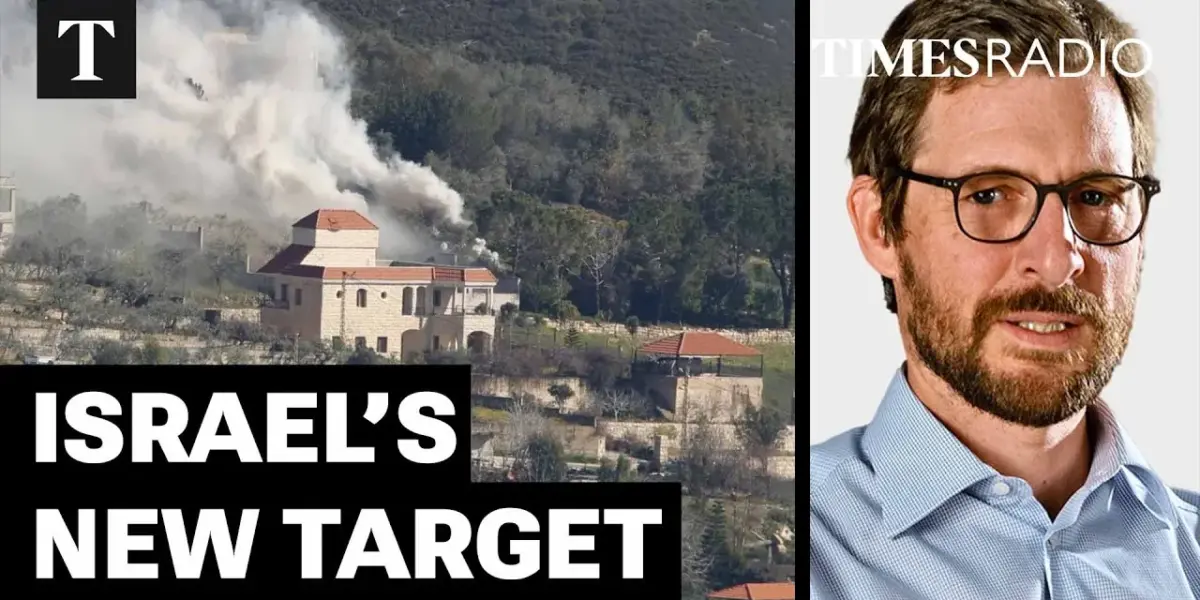
Israel Eyes Village Demolition in Hezbollah Conflict
Israel is reportedly prepared to demolish villages near its border with Lebanon as part of its strategy to counter threats from Hezbollah. This aggressive approach, likened to actions taken in Gaza, targets Shia Muslim villages believed to be hosting or supporting Hezbollah fighters. The aim appears to be creating a buffer zone, though some in Lebanon fear it signals a desire for territorial expansion.
US Peace Plan Amidst Escalating Tensions
The reported Israeli strategy unfolds against a backdrop of complex diplomatic efforts. President Trump has claimed significant progress in peace talks with Iran, stating that regime change has been achieved and a 15-point peace plan is ready. He suggested Iran is eager for a deal, even presenting a “big present” of unspecified oil and gas value. However, this narrative contrasts sharply with ongoing Israeli strikes in Lebanon and the stated intention to secure a southern Lebanese border region.
Key Points of the US Peace Plan
- Iran would halt all uranium enrichment on its soil.
- Iran would hand over nuclear material usable for bombs.
- Iran would allow unimpeded passage through the Strait of Hormuz.
- In return, Iran would see an end to all sanctions.
- Iran would receive assistance in developing civil nuclear energy.
Discrepancies in Trump’s Claims
Despite President Trump’s confident assertions of victory and imminent peace, there are questions about the specifics. The peace plan reportedly does not demand the overthrow of Iran’s current leadership, a key element of traditional regime change. Furthermore, Trump’s vague descriptions of negotiations and the mysterious “present” from Iran have led to speculation and a sense of uncertainty regarding the true nature of the discussions.
“We killed all their leadership and then they met to choose new leaders and we killed all of them… We have really regime change you know this is a change in the regime.”
Donald Trump
Critics point out that Trump’s definition of regime change seems to focus on eliminating specific leaders rather than altering the fundamental political structure of Iran. This ambiguity has fueled debate about the effectiveness and true goals of the US administration’s foreign policy in the region.
Israel’s Military Strategy in Southern Lebanon
Meanwhile, on the ground, Israel continues its military operations. Defense Minister Israel Katz has ordered the establishment of a security zone up to the Latani River in southern Lebanon. This move is seen as an extension of the strategy employed in Gaza, involving the demolition of suspected Hezbollah infrastructure. Tom Kingston, The Times correspondent in Beirut, reports that while a full invasion up to the Latani River is unlikely to happen immediately, Israel is pursuing a long-term strategy of sustained strikes. Bridges over the Latani have been destroyed to disrupt supply lines, and strikes continue in areas like Beirut’s southern suburbs.
Targeting Shia Villages
The Israeli military is specifically targeting Shia Muslim villages, which they believe are more likely to be used by Hezbollah fighters. Christian villages in the region have generally been spared. This targeted approach highlights the complex sectarian dynamics at play in the conflict.
Concerns of Colonization and Displacement
Beyond security concerns, some Lebanese figures express deeper worries. A retired Lebanese general suggested that Israel’s actions might not be solely about creating a buffer zone. He believes there is an ambition to “colonize that area and eventually send in settlers,” citing past Israeli generals’ intentions during previous conflicts.
Life Under Threat in Beirut
Reporting from Beirut, Tom Kingston describes the unnerving reality of modern warfare in urban environments. Despite being in a relatively safe area, he recounts being just 100 yards from a precision drone strike. The constant presence of drones, often heard but not seen due to their altitude or cloud cover, creates an atmosphere of pervasive threat. The random nature of some attacks means that even in supposedly secure locations, proximity to danger is a constant concern for residents.
Broader Implications and Future Outlook
The situation remains volatile, with ongoing exchanges of fire between Israel and Hezbollah. While diplomatic channels are reportedly active, the military actions on the ground suggest a protracted conflict. The effectiveness of Israel’s strategy and the potential for escalation, coupled with the uncertain outcomes of US-Iran negotiations, mean that the region’s future remains precarious. Attention will be on whether diplomatic efforts can de-escalate the violence or if the current military trajectory will continue to define the conflict.
Source: Israel Is Prepared To Demolish Villages To Eliminate Threat From Hezbollah | Tom Kington (YouTube)

Related Articles

Polls Spell Doom: Republicans Face Voter Backlash
New polling data reveals a sharp decline in public confidence regarding the economic impact of Republican policies, particularly under Donald Trump. A significant majority now feel financially worse off, a trend that is especially pronounced among independent voters. This economic discontent poses a major challenge for the Republican party heading into future elections.

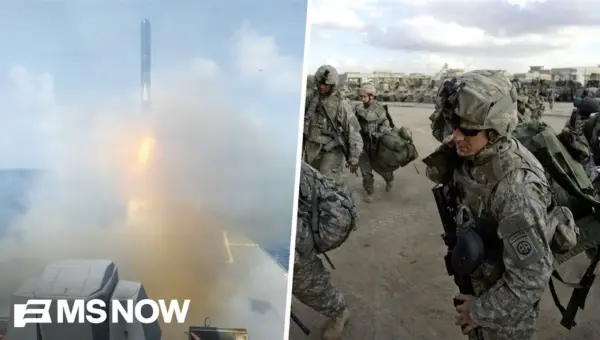
Iran Missile Strikes Injure US Troops, Raise War Concerns
Iranian missile strikes have injured U.S. service members, escalating tensions as the conflict nears one month. The attacks are raising concerns about the effectiveness of U.S. military strategy and the depletion of crucial missile stockpiles. Global oil prices have surged, impacting economies worldwide.

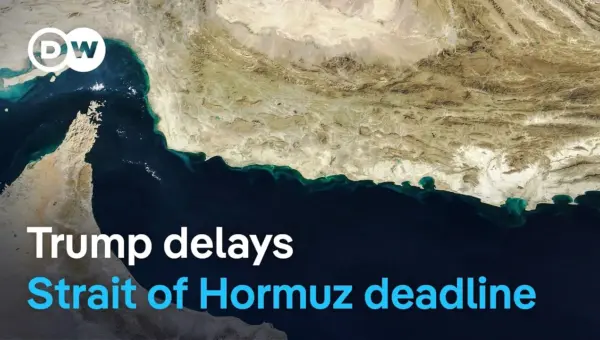
Trump Delays Iran Strike Deadline Amidst Shifting Diplomacy
President Donald Trump has extended his deadline for potential strikes on Iranian energy plants to April 6th, amid reports of U.S.-Iran diplomatic talks mediated by Pakistan. This move comes as Israel continues its strikes on Iran and the U.S. deploys additional military assets to the region. Analysts point to mixed signals, economic pressures, and strategic miscalculations as key factors shaping the evolving situation.