Israel-Lebanon Strikes Risk Wider Conflict
Israeli strikes in Lebanon are escalating tensions and threatening a crucial ceasefire, potentially derailing important diplomatic talks. The US is urging restraint as the conflict risks wider regional instability and impacts global security.

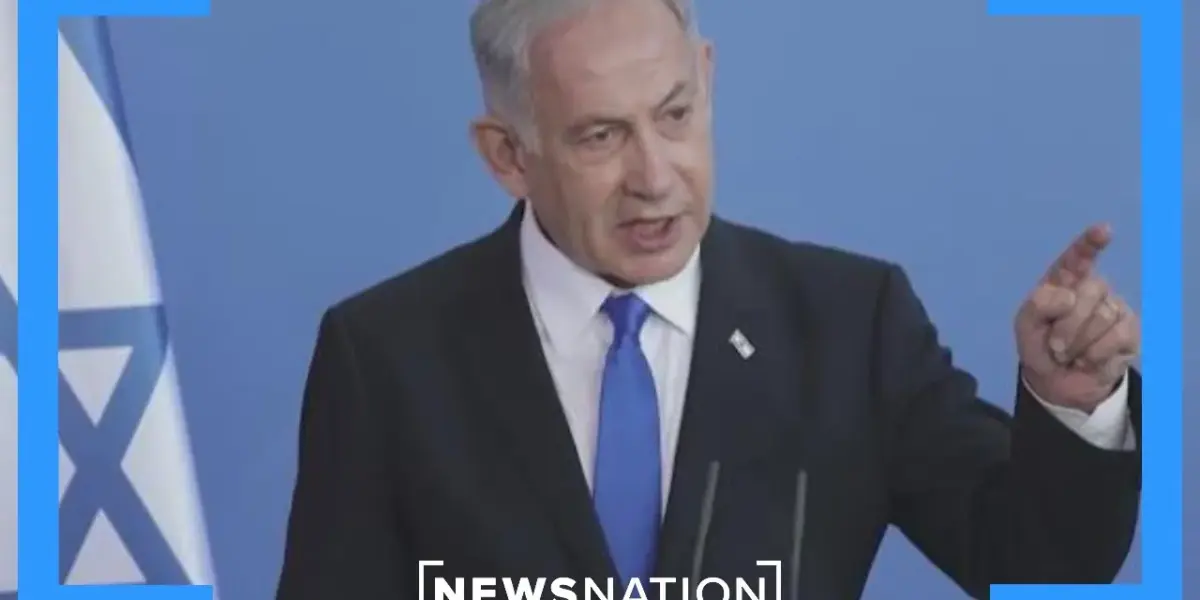
Israel-Lebanon Strikes Risk Wider Conflict
Recent Israeli strikes in Lebanon are raising serious concerns about a wider conflict. These attacks threaten a fragile ceasefire and complicate ongoing diplomatic efforts. The situation is particularly worrying as it occurs while key negotiations were planned, potentially impacting regional stability and international relations.
US Urges Restraint Amid Escalation
The United States has expressed its desire for de-escalation, urging Israel to stop its military actions in Lebanon. A commentator highlighted the distress of living under constant threat of rocket attacks, understanding the fear of civilians in northern Israel. However, he stressed that the current situation, with defenseless people being harmed by a close ally, cannot continue. He called for peace and for negotiators to be given a chance, especially with important meetings scheduled.
Diplomatic Efforts Under Pressure
A planned meeting aimed at tough negotiations over the weekend was impacted by the ongoing strikes. The concern is that these actions provide a pretext for disruption, potentially affecting critical shipping routes like the Strait of Hormuz. There’s a plea for Israeli Prime Minister Netanyahu to halt the attacks, especially with a historic meeting planned between Lebanese and Israeli officials. This meeting could have seen Lebanon recognize Israel’s sovereignty, offering a path out of the current tensions.
Impact on Israel’s Image and Negotiations
The continued bombing of civilian areas in Lebanon is seen as damaging Israel’s reputation and making its supporters look bad. While acknowledging that war involves difficult choices and casualties on all sides, the current actions are described as a pivotal moment in world history. The commentary suggested that while Prime Minister Netanyahu has been seen as a strong war leader in Gaza, his actions in Lebanon are drawing criticism.
Hezbollah’s Role in Negotiations
The discussion touched upon the complexity of involving Hezbollah in peace talks. It was noted that any meaningful negotiation would ideally include all major players. However, an argument was made that Hezbollah represents the Shiite Lebanese population, and their viewpoint can be represented through other Shiite Lebanese individuals in the government. The Lebanese government is structured to include representatives from the three main religious groups: Christian, Sunni, and Shiite. This diverse representation means that the absence of Hezbollah as a direct participant at the table doesn’t prevent the Shiite perspective from being heard.
Broader Representation in Lebanese Government
The Lebanese government’s structure, with a Christian president and a Shiite prime minister, ensures that major religious groups are represented. This setup is seen as sufficient for diplomatic talks, and the lack of direct Hezbollah involvement should not be an excuse to halt potential peace discussions. The hope is for the current conflict to end with a ceasefire, preventing further escalation and damage to America’s standing.
Global Impact
The ongoing military actions between Israel and Lebanon, coupled with the potential disruption of key shipping lanes, carry significant global implications. The Strait of Hormuz is a vital waterway for oil transportation, and any threat to its stability can cause global energy prices to spike. This can affect economies worldwide, leading to inflation and impacting consumer costs. Furthermore, a broader conflict in the region could draw in other international actors, increasing geopolitical tensions and potentially destabilizing an already volatile area. The failure of diplomatic channels, exacerbated by military actions, undermines efforts to achieve lasting peace and security in the Middle East, a region critical to global energy supplies and international trade.
Historical Context
The current tensions echo historical conflicts and unresolved issues in the Middle East. The relationship between Israel and Lebanon has been marked by periods of conflict and uneasy coexistence, often involving non-state actors like Hezbollah. Past agreements and attempts at peace have been fragile, frequently disrupted by escalating violence. The current situation highlights the enduring challenge of achieving lasting stability when non-state armed groups operate within national borders and engage in cross-border hostilities. The involvement of external powers, like the United States, in mediating these conflicts also has a long history, with varying degrees of success.
Economic Considerations
Economic factors play a crucial role in this conflict. The potential disruption of the Strait of Hormuz directly impacts global oil markets. Israel, while not a major oil producer, has significant economic ties within the region and globally. Lebanon, on the other hand, has faced severe economic challenges, and further conflict would only worsen its situation. Sanctions, although not explicitly detailed in this context, are often a tool used in regional disputes, influencing economic behavior and diplomatic pressure. The economic well-being of both nations, and indeed the wider region, is intrinsically linked to the cessation of hostilities and the establishment of stability.
Future Scenarios
Several future scenarios are possible. One is a de-escalation, where diplomatic efforts succeed, and a ceasefire holds, allowing negotiations to proceed. Another is continued escalation, leading to a more significant regional conflict, potentially involving more countries and further disrupting global trade and security. A third scenario could involve a prolonged period of low-level conflict, with intermittent strikes and retaliations, creating ongoing instability and humanitarian suffering. The likelihood of each scenario depends on the decisions made by leaders in Israel, Lebanon, Hezbollah, and the broader international community, particularly the United States.
Source: Israeli attacks on Lebanon threatening ceasefire with Iran | NewsNation Live (YouTube)

Related Articles


Melania Trump Breaks Silence on Epstein Ties, Iran War Dominates
Melania Trump broke her silence on Jeffrey Epstein allegations, denying any close relationship and stating the lies must end. Meanwhile, a reported ceasefire in the Iran conflict faces challenges amid disputes over terms and ongoing hostilities, raising concerns about diplomatic clarity and global economic stability.

Iran Ceasefire: US Pushes for Deal Amidst Tensions
A fragile ceasefire between the U.S. and Iran is under severe strain, with ongoing missile firings and continued Iranian control over the Strait of Hormuz. Despite tensions, the White House remains optimistic as Vice President JD Vance leads a high-level delegation to Pakistan for peace talks. Key issues include Iran's nuclear enrichment program and the reopening of vital shipping lanes.

US Furious With UK Over Iran War Stance, Allies Face Fallout
The United States is reportedly furious with the UK's stance on the Iran conflict, threatening to reassess allied support. Prime Minister Keir Starmer has voiced frustration with global leaders like Trump and Putin impacting energy bills, while the UK's own defense plans face delays amid international fallout.