Israel, Lebanon Eye Ceasefire Talks on Hezbollah
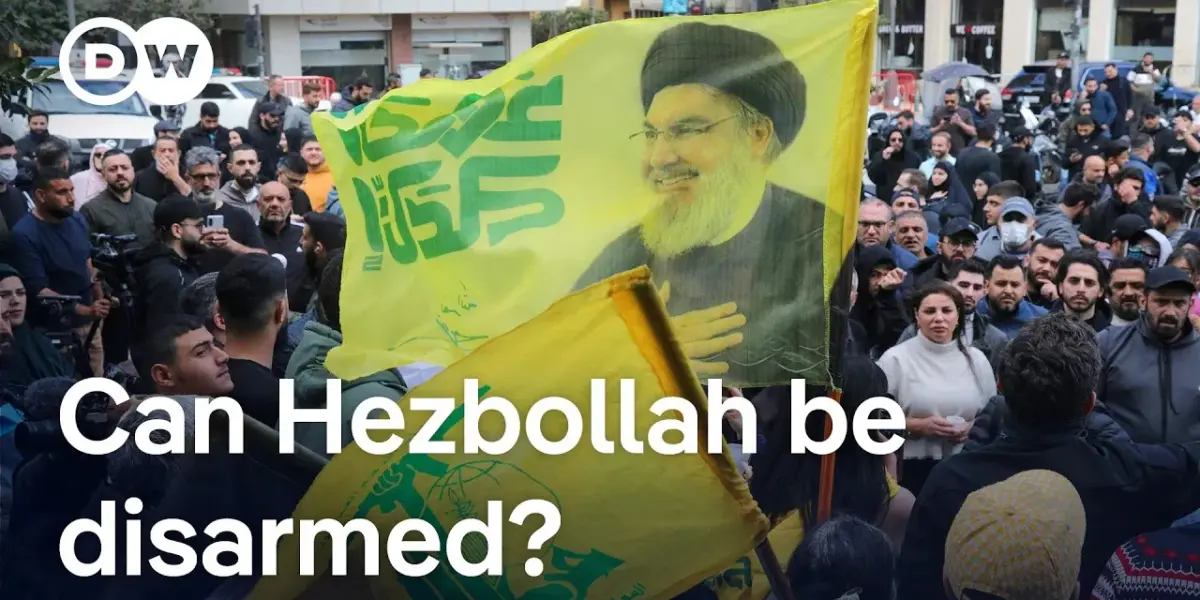
Ceasefire talks between Israel and Lebanon, brokered by the U.S., are set to begin in Washington to address the demobilization of Hezbollah. The group's dual role as a political party and powerful militant force, deeply integrated into Lebanese society and backed by Iran, presents significant challenges to disarmament efforts. Analysts suggest a lasting resolution is unlikely in the near future.

US Brokers Talks Amid Escalating Tensions
Israel and Lebanon are set to hold U.S.-brokered ceasefire talks in Washington D.C. to address the ongoing conflict involving Hezbollah. The primary focus of these discussions will be the demobilization of the Iran-backed militant group, a goal that Israel has pursued both before and during recent military campaigns. “The goal of disarming Hezbollah is a top objective and the IDF insists and is committed to it over time,” stated an Israeli Defense Forces representative. “Our strikes are meant to weaken Hezbollah significantly and ultimately bring about its disarmament over time. We will not give up this goal.” These talks come amid widespread fears that continued strikes on Hezbollah in Lebanon could jeopardize a fragile truce.
Understanding Hezbollah: A State Within a State
Hezbollah, a Shiite Muslim political party and militant group based in Lebanon, has long been considered one of the most powerful non-state armed groups in the Middle East. It opposes Israel and Western influence in the region and functions as a proxy for Iran. Within Lebanon, Hezbollah has established itself as a “state within a state,” deeply integrated into the country’s political and social fabric. The group provides extensive social, medical, and financial services to its supporters, often filling gaps where the Lebanese state has failed. This dual role as both a political party and a heavily armed militant organization makes its disarmament a complex challenge.
Internal Dynamics and External Influence
Recent events suggest a growing disconnect between Hezbollah’s political and armed wings. On March 2nd, when Hezbollah launched rockets toward Israel, it appeared that the political wing was not fully aware of the operation beforehand, taking significant time to react and adjust. This indicates that the armed wing often acts independently, sometimes without direct approval or coordination from the political leadership. While the Lebanese government has limited leverage over Hezbollah, the group maintains deep political and religious ties with Iran, which has funded and backed it since the 1980s. However, journalist Gordon Robinson notes that Hezbollah has grown to operate with significant independence from Iran, sharing similar goals and agendas rather than taking direct orders.
Impact on Lebanon and Shifting Public Opinion
The ongoing conflict between Israel and Hezbollah has inflicted immense hardship on Lebanon, displacing hundreds of thousands and raising concerns of a humanitarian catastrophe. While Israel maintains it is targeting militants, not the Lebanese people, the war has intensified divisions within Lebanon regarding Hezbollah’s role. Traditionally, some Lebanese viewed Hezbollah as a resistance force against Israeli occupation, while others see it as an Iranian proxy acting against Lebanon’s interests. The recent confrontation has led to a new wave of public anger, with many Lebanese, even traditional supporters, blaming Hezbollah for dragging the country into conflict against the will of most citizens.
Military Capabilities and Government Efforts
Despite suffering significant blows during Israel’s military campaign, including the loss of much of its leadership, Hezbollah remains a formidable force. The group is reportedly still capable of targeting large areas in Israel and possesses thousands of drones and rockets, along with thousands of fighters. In an effort to reassert state control, the Lebanese government has taken steps to outlaw Hezbollah’s military wing and ban non-state weapons in Beirut. “The army and security forces are requested to immediately reinforce the full imposition of state authority over the Beirut govern to monopolize weapons in the hands of legitimate authorities only,” stated the Lebanese Prime Minister. Public opinion polls have long indicated a desire among most Lebanese for disarmament, with a significant majority believing only the Lebanese army should possess weapons.
Challenges to Disarmament
The prospect of disarming Hezbollah faces significant hurdles. “The Israelis are going to be talking to the Lebanese government. The Lebanese government doesn’t much like Hezbollah either,” observed Robinson. “The Lebanese government has called for quite some time for Hezbollah to disarm, but the Lebanese government is in no position to to disarm Hezbollah.” Syria has called for disarmament through national means, free from foreign intervention. However, experts believe that Iran, while supportive of Hezbollah, likely could not shut it down even if it wanted to, and currently, it does not. The core issue remains that Hezbollah is unlikely to agree to disarm, especially when fighting Israel is central to its identity and purpose.
Historical Precedents and Future Outlook
Past attempts to create security zones in Lebanon by Israel have historically fueled Hezbollah’s growth. Israel’s invasion in 1982 and subsequent occupation of South Lebanon for nearly 20 years, intended to provide security, inadvertently strengthened the very group it sought to counter. “What restoring a security zone in South Lebanon is going to ultimately do for Israeli security, I I just fail to see how this is going to end,” Robinson questioned, drawing parallels to current Israeli plans for a buffer zone. The current situation suggests a cycle of conflict that is unlikely to be resolved soon. The best-case scenario for the Lebanese people might involve a ceasefire and Hezbollah pulling back from the border, but this is seen as difficult to achieve. The most realistic outcome, according to analysts, is a temporary de-escalation, with the conflict likely to reignite in the future, trapping Lebanon in a recurring cycle of violence.
“Disarming Hezbollah he says is extremely unlikely under the current circumstances.”
Source: Israel and Lebanon to hold ceasefire talks in Washington over Hezbollah — what to expect | DW News (YouTube)

Related Articles
US, Iran Clash on Ceasefire Terms Ahead of Pakistan Talks
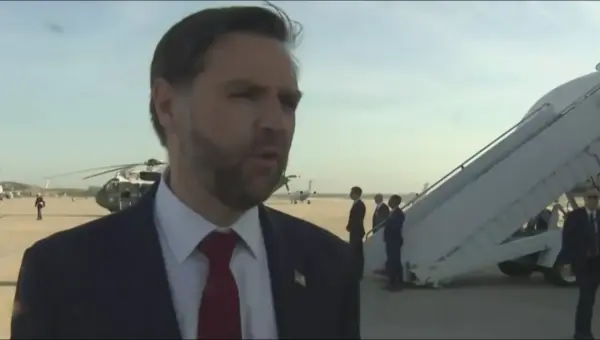
Vice President Vance leads U.S. talks with Iran in Pakistan amid a shaky ceasefire and Iranian demands for Lebanon's inclusion and asset release. Tensions over the Strait of Hormuz and domestic inflation add complexity to the high-stakes negotiations.

Iran Halts Strait of Hormuz Traffic Despite Ceasefire
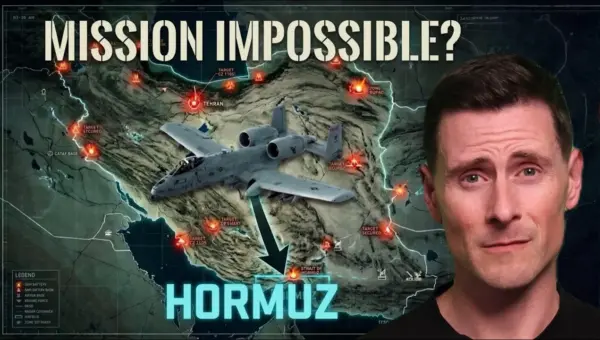
The Strait of Hormuz remains effectively closed to normal traffic despite a recent ceasefire, with Iran reportedly imposing tolls and restricting passage. This continues to disrupt global oil and LNG supplies, leading to significant economic costs. The U.S. military is postured to potentially intervene if diplomatic efforts fail.
Iran Threatens Strait of Hormuz Amid Lebanon Strikes
Iran threatens to close the vital Strait of Hormuz in response to ongoing strikes in Lebanon. The US is trying to de-escalate, but actions on the ground remain a concern, potentially impacting global oil markets and future negotiations.