Israel Invades Lebanon: A New War for a ‘Wasteland’ Future?
Israel has launched a ground offensive into southern Lebanon, with officials vowing to turn the region into a "wasteland" akin to Gaza. This escalation follows weeks of airstrikes and signals a potential for a large-scale conflict, driven by the unfulfilled promise of Hezbollah's disarmament and evolving regional dynamics.

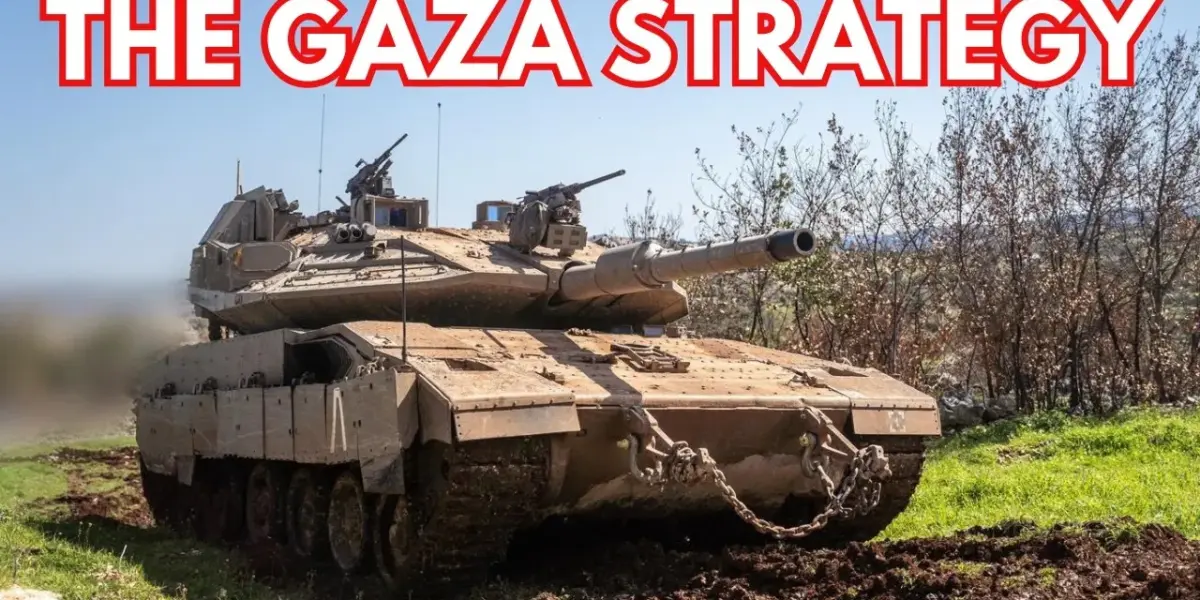
Israel Launches Ground War in Lebanon, Vows ‘Wasteland’ Future
Israel has initiated ground operations in southern Lebanon, a move its defense minister has ominously likened to the devastation seen in Gaza. The Israel Defense Forces (IDF) announced “limited and targeted ground operations” aimed at establishing a “forward defense area,” a euphemism the speaker decries as a disingenuous attempt to downplay an invasion and a declaration of war. This linguistic sidestepping, mirroring tactics observed in other international conflicts, serves to obscure the reality of military incursions into sovereign territory.
Escalation and Rhetoric
The stated objective is to dismantle Hezbollah’s infrastructure and eliminate its operatives, a strategy explicitly compared by Defense Minister Katz to actions taken against Hamas in Gaza. This rhetoric suggests a broader, more destructive approach than previous skirmishes, aiming to transform border villages into a desolate landscape. This is not the beginning of hostilities, however; Israel has been conducting airstrikes against Hezbollah targets in Lebanon for approximately two weeks, escalating after Hezbollah began launching rockets and drones across the border.
Historical Context and Broken Ceasefires
The current ground operation builds upon these sustained air strikes and represents a significant escalation. A crucial, yet consistently unfulfilled, aspect of past ceasefire agreements was the disarmament of Hezbollah. This persistent failure to achieve disarmament, according to the analysis, is a primary driver for Israel’s current actions, suggesting a belief that only a physical, ground-based removal of Hezbollah from Lebanon can effectively neutralize the threat.
Trigger Points and Shifting Dynamics
This latest round of conflict appears to have been triggered by the opening of US and Israeli strikes against Iran on March 2nd. Reporting prior to these strikes suggested Hezbollah might remain neutral unless Iran’s Supreme Leader was targeted or killed. His subsequent death has been cited by Hezbollah as a direct catalyst for their involvement, framing the current conflict as a response to perceived aggression against Iran.
Objectives and Potential Scope
Axios has reported that Israel plans a significant expansion of its ground operation, with the goal of seizing territory south of the Litani River and dismantling Hezbollah’s military capabilities. This potential advance would represent the largest Israeli ground incursion into Lebanon since 2006. The IDF has amassed considerable forces along the border, including armored and infantry divisions, and has mobilized additional reserves, signaling a commitment to a potentially protracted operation.
Lessons Learned and Tactical Adaptations
Both Israel and Hezbollah are perceived to have more ambitious objectives in this conflict than in previous engagements, seeking more permanent solutions rather than temporary halts. This mirrors the dynamics observed in Iran, where neither side appears willing to settle for a fragile ceasefire due to a lack of trust. Hezbollah, with an estimated 25,000 munitions, faces the challenge of adapting its tactics after suffering significant losses of senior leadership and static positions in past conflicts. There are indications that Hezbollah is shifting towards more mobile defense strategies, moving away from fixed tunnel networks and launch sites that proved vulnerable to Israeli air power.
Evolving Warfare and Future Outlook
The analysis anticipates increased use of innovative tactics by Hezbollah, including the potential deployment of first-person view (FPV) drones, a technology that could pose a significant threat with substantial casualties in its initial phases. Hezbollah may also adjust its targeting strategy, potentially focusing on economic infrastructure like the port of Haifa, in addition to military and civilian targets. Conversely, the analysis suggests that the winning side in a conflict often adapts more slowly than the losing side. Therefore, while Hezbollah may exhibit more immediate tactical innovation out of necessity, Israel is also expected to be developing countermeasures and adapting its own strategies to counter evolving threats.
Why This Matters
The initiation of a ground war in Lebanon, coupled with the inflammatory rhetoric of creating a “wasteland,” signals a dangerous escalation in a volatile region. The potential for a protracted conflict with significant civilian impact, the risk of wider regional destabilization, and the precedent set by the rhetoric of destruction all underscore the gravity of the situation. The failure of previous diplomatic efforts to disarm Hezbollah highlights the complex challenges in resolving long-standing security concerns through conventional means. The conflict’s trajectory will likely depend on the effectiveness of each side’s tactical adaptations and the broader geopolitical implications of sustained hostilities.
Implications and Future Outlook
This ground operation could lead to a significant humanitarian crisis in southern Lebanon and further inflame regional tensions. The strategic objectives of Israel, aiming to create a buffer zone and dismantle Hezbollah’s military capacity, will be tested against Hezbollah’s capacity for asymmetric warfare and adaptation. The international community faces the challenge of navigating this escalation while preventing a wider conflagration. The long-term outlook hinges on whether diplomatic channels can be re-established and whether a sustainable security arrangement can be brokered, or if the region is set for a prolonged period of intensified conflict and devastation.
Source: Israel Launches Ground War in Lebanon (YouTube)

Related Articles


Israelis Forge Resilience Amidst Constant Bomb Shelter Drills
Life in Israel is a blend of resilience and constant vigilance, with many families adapting to frequent bomb shelter drills and even sleeping in makeshift shelters. Despite ongoing missile attacks, Israelis strive to maintain normalcy, though businesses face disruption and emotional fatigue is a growing concern.
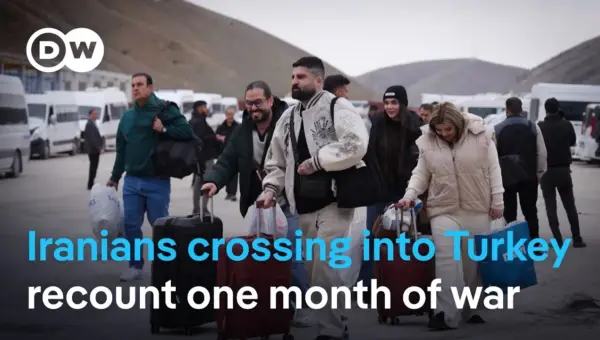
Iran War Exodus: Refugees Flee to Turkey Amidst Bombings
A train from Tehran brings refugees to Turkey, fleeing daily bombings and economic collapse. Many express deep fear for loved ones left behind, while some hold onto national pride and hope for victory. The conflict's impact is also felt economically in Turkey, with rising gas prices.


Israel Escalates Iran Strikes, Warns of Wider War
Israel has launched significant strikes inside Iran following continued missile fire, warning of further escalation. The conflict risks wider regional instability and economic disruption, especially concerning the Strait of Hormuz.