Israel Hits Iran’s Power Grid, Shaking Energy Security
Israel has directly attacked Iran's energy infrastructure, targeting a key natural gas processing facility. This move could cripple Iran's power generation capabilities and signals a significant escalation in regional tensions. The strike impacts domestic energy supply, not exports, but raises concerns about future stability.

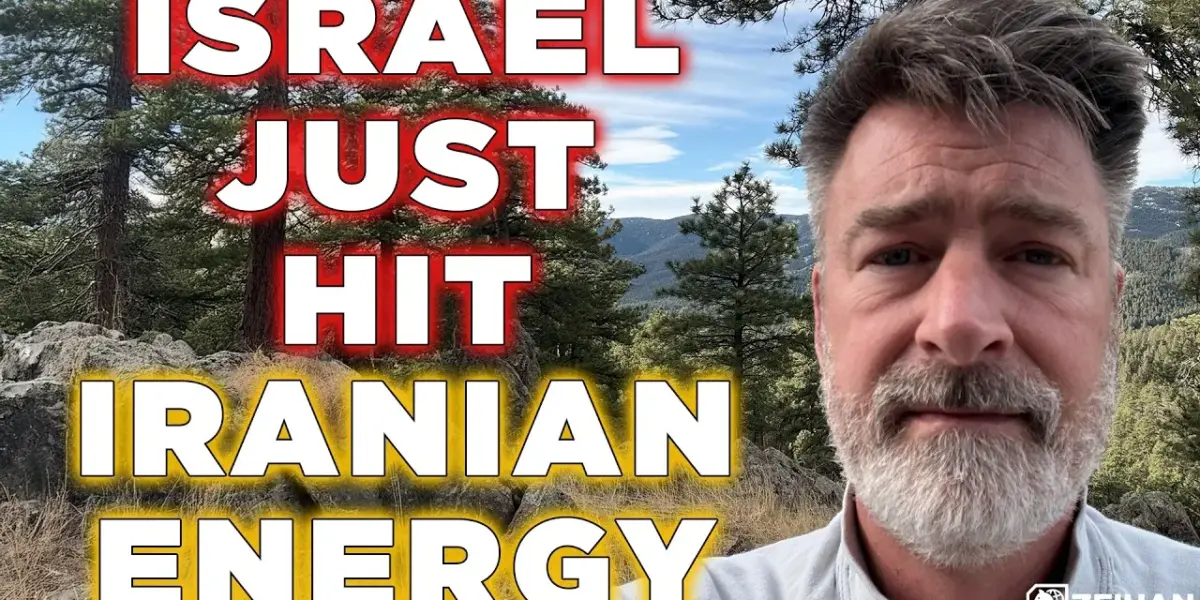
Israel Targets Iran’s Energy Infrastructure in New Escalation
Israel has directly attacked Iran’s energy system for the first time, a significant move that could severely impact the country’s ability to generate power. This action, which occurred around March 18th, targeted a processing facility for natural gas. The facility is crucial for cleaning raw natural gas extracted from the ground. This gas contains impurities like hydrogen sulfide, which must be removed before it can be safely used for electricity or transported.
The targeted facility is linked to the South Pars gas field. This offshore field, located between Qatar and Iran, is Iran’s largest and provides about 70% of its natural gas. All of Iran’s natural gas is used domestically to produce electricity. By disabling this processing plant, Israel has reduced Iran’s capacity to turn raw gas into usable fuel. Experts predict this will affect Iran’s power generation within days, potentially leading to widespread blackouts.
Iran’s Domestic Energy Focus
It is important to note that this attack did not target Iran’s export facilities. Iran possesses vast natural gas reserves, giving it a voice in global energy discussions. However, the country currently exports very little natural gas. Therefore, the impact of this strike is primarily a domestic issue for Iran, affecting its own citizens’ access to electricity.
Shifting Tactics in the Conflict
This action represents a potential shift in tactics. Previously, following initial strikes, the United States focused on destroying Iran’s missile stockpiles and its ability to produce more missiles and drones. Iran, in turn, has targeted political sites. Now, by hitting energy infrastructure, Israel may be signaling a new strategy. Civilian energy facilities in Iran are now vulnerable.
Both Israel and the United States have complete control of the skies over Iran. This means they can strike targets from the air without fear of interception. These types of facilities cannot be easily moved, hidden, or protected from aerial attacks. If this becomes a deliberate policy change to target power infrastructure, Iran could face severe internal instability and hardship.
Global Impact
Why This Reshapes the World Order
Attacking a nation’s energy infrastructure is a serious escalation. It directly impacts the daily lives of civilians and can destabilize a country internally. For Iran, which relies heavily on its natural gas for electricity, this strike directly threatens its ability to function. It also sends a clear message that critical infrastructure is now a potential target.
Historically, targeting civilian infrastructure has been a sensitive issue in international conflicts. While military targets are considered fair game, attacks on power grids or essential services can have widespread humanitarian consequences. This move by Israel blurs those lines and raises concerns about the future conduct of the conflict.
Economic Leverage and Future Scenarios
The economic implications are significant. Iran’s ability to generate power affects its industries, its economy, and the overall stability of its government. While this strike doesn’t impact global energy markets directly through exports, it could lead to internal unrest within Iran. Such unrest could have ripple effects across the region.
Looking ahead, several scenarios are possible. Iran could retaliate directly, though its options are limited given the air superiority of its adversaries. It might also seek to escalate through proxy groups in the region. Alternatively, Iran could try to de-escalate to avoid further damage to its infrastructure. The likelihood of each scenario depends on Iran’s internal political calculations and its assessment of the risks versus potential rewards of further action.
This event highlights the complex web of geopolitical interests in the Middle East. Iran seeks regional influence, while Israel aims to counter perceived threats to its security. The United States plays a role in maintaining regional stability and supporting its allies. Each actor’s actions have far-reaching consequences, shaping the future of energy security and international relations.
Source: Israel Just Hit Iran's Energy System || Peter Zeihan (YouTube)

Related Articles

G7 Allies Clash Over Iran War Strategy, Urge Focus on Russia
G7 foreign ministers met in Paris, revealing deep divisions over the U.S. war with Iran. European allies urged the U.S. to pressure Russia, linking its actions to the conflict and fearing support for Ukraine will wane.

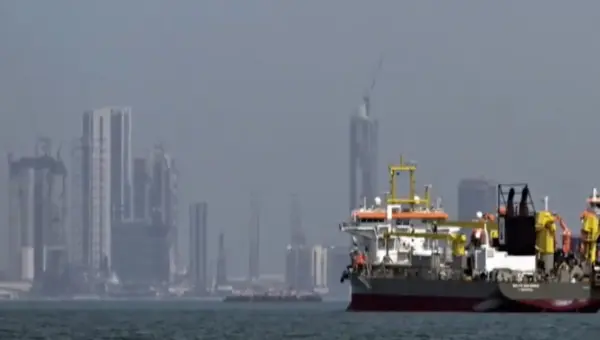
Iran Blocks China Ships, Exposing Beijing’s Weak Grip
Iran's recent decision to block Chinese ships at the Strait of Hormuz is exposing the limits of Beijing's influence in the Middle East. This action is causing delays and cancellations for Chinese manufacturers, turning a perceived geopolitical win into an economic strain.
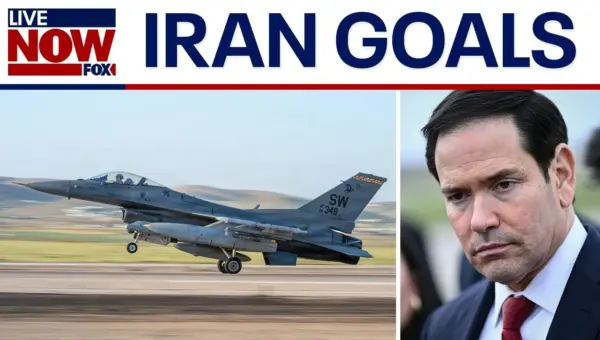
Rubio: US Can Achieve Iran War Goals Without Troops
Senator Marco Rubio outlined a strategy to counter Iran without deploying U.S. ground troops, focusing on weakening the regime and enhancing maritime security. He also criticized Cuba's economic system and expressed concerns about West Bank violence.