Israel Fortifies Border Amid Fears of Lebanon Ground Operation
Northern Israel faces heightened military activity along the Lebanese border, fueling fears of a ground operation. Residents in kibbutzim like Sasa describe disrupted daily life and constant anxiety due to escalating cross-border attacks.

Israel Bolsters Northern Defenses Amid Lebanon Escalation Concerns
SASA, ISRAEL – Northern Israel is witnessing a significant military buildup along its border with Lebanon, sparking concerns of a potential large-scale ground operation. While the Israeli army states its current movements are limited to securing strategic positions, analysts suggest the objective is to establish a buffer zone extending to the Litani River, aiming to prevent Hezbollah rocket and drone attacks on Israeli communities. The region, less than three kilometers from Lebanese villages, has experienced intense fighting since the war began, with residents reporting frequent interceptions of projectiles.
Life on Hold in Sasa: A Kibbutz Under Siege
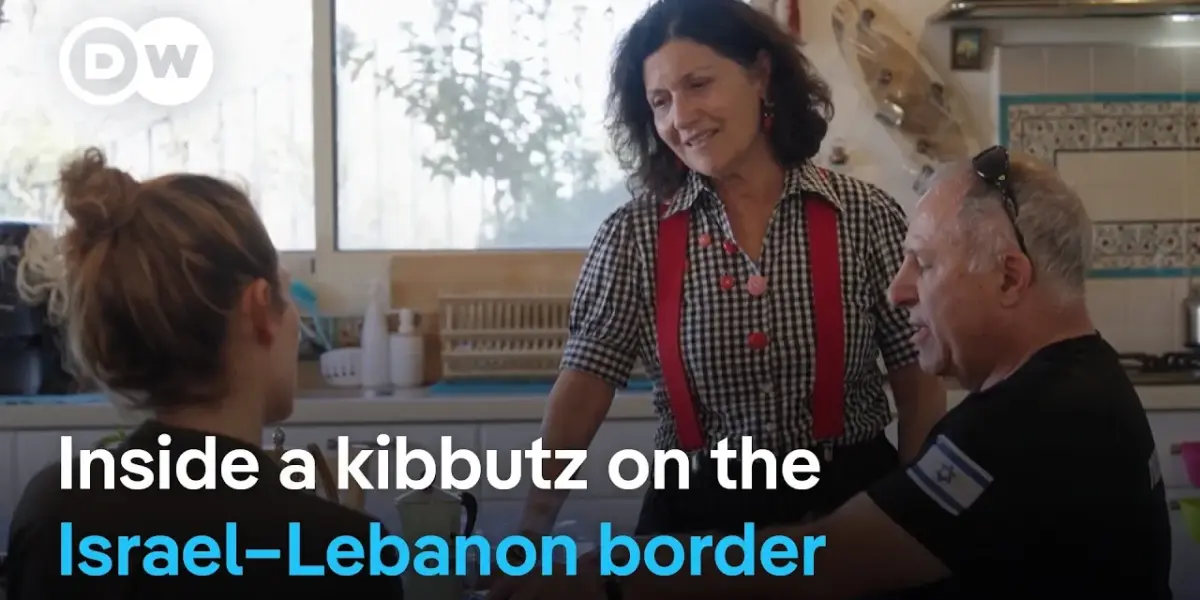
In the kibbutz of Sasa, a tightly-knit community of 85 families situated on the front lines, daily life has been dramatically altered. Yehuda Kaliv, a lifelong resident, described the eerie emptiness of the communal dining hall, once a hub of social interaction. “Normally, all the members are coming here and eating together,” Kaliv explained. “But right now, nobody comes here to eat. People are only taking food.” This shift is attributed to security concerns, particularly the lack of adequate shelter for the entire community in the event of an alarm. “If we’ll have an alarm and we have 100 or 150 people here, we don’t have a shelter for everyone. It’s a little bit risky,” he admitted.
The kibbutz is currently secured by approximately 30 reservists providing round-the-clock protection. For residents like Kaliv and his wife, Angelica, the proximity to the border is a constant source of anxiety. From their balcony, the Lebanese border is visible, with villages lying just two kilometers away. “During the last days and nights, we could see shooting to Israel and shooting from Israel, the bombs and the fires, and it’s not very nice,” Angelica recounted, her voice tinged with weariness.
Security Imperatives and Civilian Impact
The Israeli military has intensified its operations, pushing Hezbollah forces back from the border and striking targets across southern Lebanon. Residents in these areas have been warned to evacuate. “We don’t want to hurt the civilians or other people, but we must try to make a distance because people that are sitting in these buildings can shoot missiles or rifles or snipers or whatever,” a military representative stated, emphasizing the need to counter threats from Hezbollah, which is perceived as aligned with Iran’s goal of destroying Israel. “We must fight them. We don’t have another way.”
For residents like Kaliv, the reality of living under constant threat means retreating to small, built-in shelters within their apartments. “We move to sleep in the shelter, but we also have to work here,” he said, detailing the emergency provisions of water and food. The frequent air raid sirens, sometimes occurring multiple times a night, take a significant emotional toll. “This night was four times alarm. They say, you know, every hour, and you start to think about your children,” Kaliv shared, referring to his four children, who now reside in safer parts of Israel.
A Shift from Peace Advocacy to War-Torn Reality
Angelica Kaliv, a university lecturer whose campus is currently closed due to military activity, has a history of working towards peace. Twenty-five years ago, she and her husband founded an organization dedicated to promoting understanding between Palestinians and Israelis. However, the events of October 7th, 2023, when Hamas attacked Israel, killing approximately 1,200 people, irrevocably changed their perspective. “The first people that were killed were people of peace,” Angelica lamented, recalling the victims who were actively engaged in humanitarian efforts.
The fear of a repeat attack looms large. “I am afraid in these days that suddenly, poof, in my room here is a bomb and someone from Hezbollah comes out really because they say all the time, they say, we’ll do another October 7th,” she expressed, highlighting the deep-seated insecurity.
While acknowledging the devastation in Gaza and expressing sorrow for the suffering of children there, Angelica drew a stark contrast between the two populations’ protective measures. “In Gaza, there is 750 kilometers of tunnels. If you wanted to save your children, you can put the children in the tunnel. We put the children in the shelter because we want to protect them every time.” She also pointed to Hezbollah’s alleged use of civilian infrastructure for military purposes, stating, “We saw Hezbollah hiding missiles and guns in kindergartens and in hospitals and in schools.”
Broader Implications and Civilian Resilience
The conflict has resulted in significant casualties on both sides. According to the UN, at least 600 people have been killed in Lebanon by Israeli strikes since March 2nd, including nearly a hundred children. In Israel, at least a dozen people have died from Hezbollah rocket attacks. Despite the pervasive fear, communities on the Israeli side are striving for normalcy and resilience. In a nearby shelter, a group of friends and neighbors gather for games, finding solace and a temporary respite from the ongoing crisis. Yehuda Kaliv often joins them, finding that these moments help to “change a little bit our minds and it helps to make a pause of what is happening outside.”
Holocaust survivor Rifka Avski Linderman finds the air raid sirens particularly harrowing, triggering deep-seated trauma. “Last night it was about three, four times, and after the bombs, the bombs from our side to Lebanon, it’s more noisy,” she said, reflecting on the amplified sounds of conflict. When asked if she considers the impact on the other side, she responded, “Terrible, terrible. I don’t want to think about it because you can’t imagine what all the destruction, all the buildings, all the poor people.”
Looking Ahead: An Uncertain Future
As gunshots echo from the Israeli army positions and the threat of a ground offensive in southern Lebanon remains palpable, the situation is poised for further escalation. Both Israel and Hezbollah are intensifying their attacks, creating a volatile environment for civilians on both sides of the border. The coming days will be critical in determining whether diplomatic efforts can de-escalate the conflict or if the region is headed towards a wider, more devastating war.
Source: Inside the Israeli kibbutz on the border with Lebanon│DW News (YouTube)

Related Articles


Congress Stalemate Threatens Border Security Funding
The U.S. House passed a temporary funding bill for the Department of Homeland Security, but Senate Democrats are expected to block it. This recurring stalemate highlights deep divisions over border policy and funding, potentially impacting national security and international perceptions of U.S. stability.

House Republicans Reject Senate Deal, Sparking Government Funding Clash
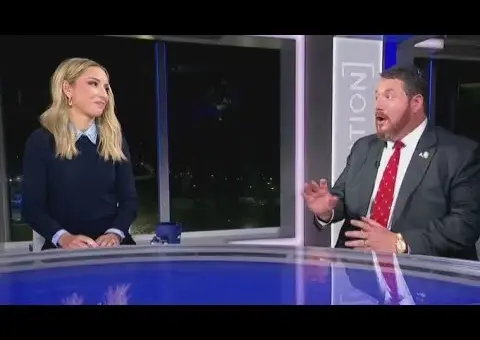
House Republicans have rejected a Senate bill to end the government shutdown, citing insufficient border security measures. Congressman Randy Fine called the Senate deal a "disgrace" and highlighted the ongoing fight for full government funding. President Trump's executive order to pay TSA agents offers temporary relief, but the core disagreement over border security continues to paralyze Washington.


House Rejects Senate Bill, Citing Border Security Funding Gaps
House Republicans are rejecting a Senate funding bill, arguing it lacks essential appropriations for ICE and CBP, threatening anti-trafficking efforts and border security. They plan to pass a short-term measure to force renewed negotiations.