Israel Eyes Lebanon Buffer Zone: A Political Ploy?
Israel's military operations in southern Lebanon aim to create a buffer zone and pressure Hezbollah, according to expert Yazid Sayigh. He argues the strategy is more political than military, echoing historical tactics. The ongoing conflict could destabilize Lebanon further, while Hezbollah fights for survival.

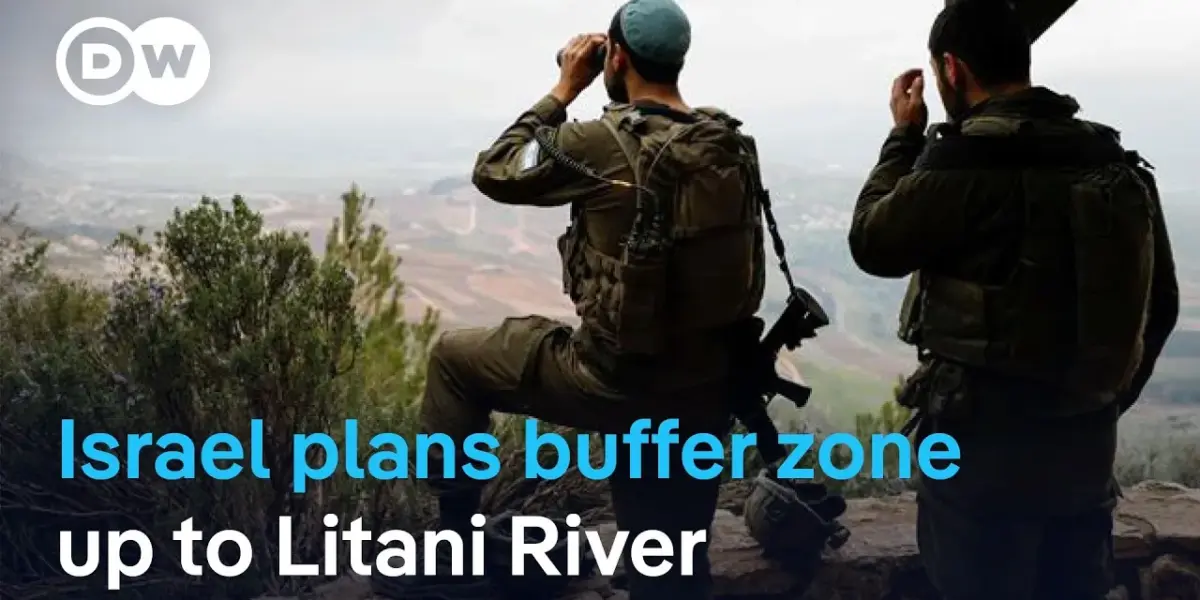
Israel Pushes Into Southern Lebanon, Creates Buffer Zone
Israel’s military has launched operations in southern Lebanon, stating its goal is to create a security buffer zone. The Israeli army reports killing around 700 Hezbollah fighters since the operations began in response to rocket fire from the Iran-backed group. One Israeli soldier was reported killed on Thursday. The stated aim is to protect Israel’s northern communities, which have faced daily rocket attacks.
Expert Questions Israel’s True Intentions
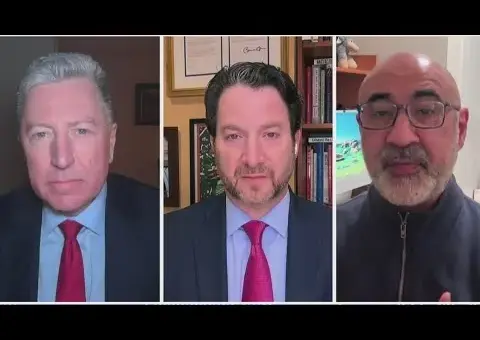
Yazid Sayigh, a senior fellow at the Malcolm H. Kerr Carnegie Middle East Center in Beirut, shared his insights on Israel’s strategy. He believes the primary goal is to pressure the Lebanese government and army to forcibly disarm Hezbollah. “In other words,” Sayigh explained, “failing that, to inflict such severe suffering on the civilian population… to keep exerting pressure, keep ratcheting it up until there is movement.”
Sayigh views the proposed buffer zone not as a realistic military objective, but as a tool for political pressure. He noted that Israeli troops have only made limited incursions so far. “They can’t maintain an actual security zone of such a size from the air,” he said, adding that Hezbollah often fires rockets from north of the proposed zone anyway. “Israeli occupation of this area is designed, I think, entirely to maximize political pressure.”
Historical Echoes of Israeli Strategy
This approach mirrors a strategy Israel used nearly 60 years ago. In 1969, facing Palestinian guerrillas, Israel deliberately struck civilians in southern Lebanon. The goal was to create a refugee crisis in Beirut, pressuring the central government to crack down on the Palestine Liberation Organization. Sayigh sees this as a replay of that same tactic, a form of punishing Lebanon that has been ongoing for decades.
The expert also linked current actions to broader Israeli policy. “This is not just about Lebanon and it’s not just about Hezbollah,” Sayigh stated. “It’s of a piece. Israel is effectively insulating itself on as many fronts as it can.” He pointed out that Israel is systematically moving towards annexing the West Bank and East Jerusalem.
Past Policies Yielded Mixed Results
Looking back at historical precedents, Sayigh highlighted key differences and potential consequences. “Israel today has American backing of a type that it never enjoyed in the past,” he observed. This support includes an administration that has, in effect, gone to war with Iran at Israel’s urging.
In the past, similar military strategies aimed at political outcomes led to unintended consequences. In the early 1970s, Israeli actions contributed to the Lebanese Civil War. Later, Israel’s 1982 invasion and occupation of southern Lebanon for nearly 20 years helped trigger the birth of Hezbollah. Ultimately, Israel was forced to retreat under Hezbollah attacks.
Sayigh warned of similar risks today. Expanding Israeli occupation could make withdrawal difficult. “The goals here are political. It wants to reshape the political system of Lebanon,” he said, referencing past failed attempts. However, he noted that Hezbollah might be more isolated within Lebanon now, with more Lebanese wanting to end the dual power structure of the army and the militia.
Conversely, excessive force by Israel could destabilize Lebanon further. “It could end up simply breaking the system, collapsing the government, splitting the Lebanese army, or even pushing other Lebanese communities into a civil war that they cannot actually win,” Sayigh cautioned.
Hezbollah’s Fight for Survival
The leadership of Hezbollah has been significantly weakened, with a large portion of its veteran officer corps lost in recent conflicts. The Lebanese government has also turned against the group. Sayigh believes Hezbollah’s main aim now is survival as an armed force.
He suggested that Hezbollah’s leadership faces a critical question about its long-term plan once the conflict ends. “It has to come to terms with the rest of Lebanon and come out with a different kind of arrangement,” Sayigh stated.
The group’s future is closely tied to Iran. “Hezbollah will keep on fighting certainly so long as Iran keeps on fighting,” Sayigh concluded. He added that Iran might seek an end to the war in Lebanon as part of any deal with the United States, potentially leaving Hezbollah battered but still active.
Source: Is it a temporary buffer or something more permanent? | DW News (YouTube)

Related Articles
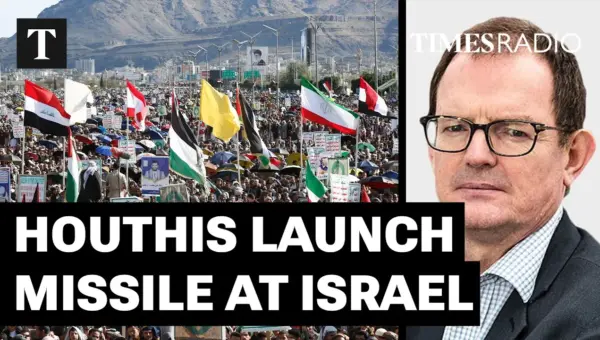
Houthis Fire Missile at Israel, Iran’s Guard Takes Center Stage
Yemen's Houthi group has fired a missile at Israel, signaling a potential escalation of the regional conflict. Meanwhile, Iran's powerful Islamic Revolutionary Guard Corps (IRGC) appears to be consolidating its control over the country's leadership following reported strikes. This shift places hardline figures at the forefront of decision-making.

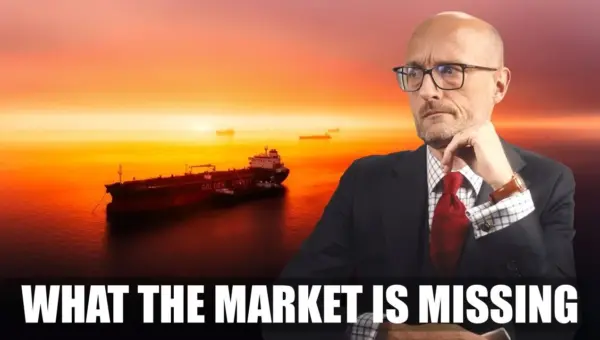
Stocks Ignore War Risks, Focus on “Taco Moments”
Stock markets appear to be overlooking the severe supply chain risks stemming from the Iran conflict, focusing instead on potential diplomatic de-escalations. While the S&P 500 shows resilience, bond and commodity markets signal deep concern over disruptions to critical resources like LNG, helium, and fertilizers.

U.S. Iran Tensions Rise Amid Shifting Alliances
Rising tensions between the U.S. and Iran are creating a volatile geopolitical situation. With conflicting signals on de-escalation and potential shifts in alliances like NATO and U.S.-Israel relations, the path forward remains uncertain. The global economy and regional stability hang in the balance.