Israel Expands Lebanon Border Zone Amid Escalating Conflict
Israel is expanding its security zone into Lebanon following intense airstrikes and missile launches. Prime Minister Netanyahu ordered the military action amid escalating clashes with Hezbollah, marking a significant step up in regional tensions.

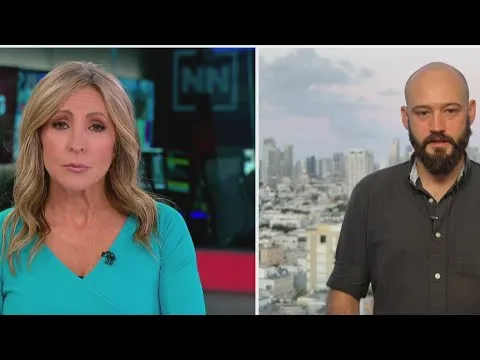
Israel Expands Lebanon Border Zone Amid Escalating Conflict
Israel is increasing its security zone along the Lebanon border. Prime Minister Benjamin Netanyahu ordered the expansion following intense fighting. This move signals a significant escalation in the long-standing tensions between Israel and Hezbollah. The region has seen some of the heaviest strikes since the current conflict began.
Intense Strikes Rock Iran and Israel
In the past 24 hours, the Israeli Defense Forces (IDF) launched three waves of airstrikes. These attacks targeted sites in Tehran, Iran, as well as infrastructure across central and western Iran. The IDF stated these strikes specifically aimed at ballistic missile production facilities. Meanwhile, sirens have been sounding frequently in Israel. Hezbollah has launched at least seven ballistic missiles at Israel since midnight. These attacks come on top of other assaults from Lebanon.
Damage and Casualties Reported
Two of the missile attacks on Israel caused damage and casualties. A more recent attack in the last hour resulted in four light casualties. Two hours prior to that, an attack damaged an industrial site just south of the city of Acre. The Israeli military’s Home Front Command advised residents to stay away from the area or remain indoors while fires at the industrial site are managed. Beyond ballistic missiles, Hezbollah has also conducted numerous rocket attacks. They have also launched anti-tank missiles and drones towards Israel.
Netanyahu’s Directive and Border Clashes
Prime Minister Benjamin Netanyahu has instructed the Israeli military to expand the security zone inside Lebanon. This decision follows a weekend of significant clashes between Israeli forces and Hezbollah. The ongoing exchanges highlight the volatile nature of the border region. Both sides are engaged in a dangerous back-and-forth, with each action potentially leading to further retaliation.
Global Impact: A Wider Regional Struggle
This expansion of the security zone is more than just a border dispute. It reflects a broader struggle for influence and security in the Middle East. The conflict between Israel and Hezbollah is deeply connected to wider regional rivalries, particularly involving Iran. Iran supports Hezbollah, providing weapons and funding. Israel views Hezbollah as a major threat, backed by its arch-rival Iran. The increased military activity risks drawing other regional powers into the conflict. It also raises concerns about the stability of the wider region and potential impacts on international shipping routes.
Historical Context: Decades of Tension
The current clashes are part of a long history of conflict between Israel and Lebanon, particularly with Hezbollah. Hezbollah was founded in the early 1980s, partly in response to the Israeli invasion of Lebanon. Since then, there have been numerous confrontations, including a major war in 2006. UN Resolution 1701, passed after that war, aimed to prevent hostilities and ensure a stable border. However, it has been repeatedly tested. The current escalation shows that the underlying issues remain unresolved. Both sides continue to see the border as a critical front in their ongoing strategic competition.
Economic Leverage and Dependencies
While the transcript doesn’t detail specific economic sanctions or trade figures, the conflict has significant economic implications. Disruptions along the border affect local economies and can impact regional trade. Hezbollah’s attacks on Israeli infrastructure could harm economic activity. Similarly, Israeli strikes on Lebanese areas can damage crucial infrastructure. The broader geopolitical implications also affect energy markets and global supply chains, especially if the conflict widens. Control over strategic areas and resources remains a key factor in the motivations of all actors involved.
Future Scenarios
Several future scenarios are possible. One is a continuation of the current low-intensity conflict, with sporadic strikes and counter-strikes. Another is a significant escalation, potentially leading to a full-blown war between Israel and Hezbollah. Such a war could draw in other regional actors and have devastating consequences. A third, less likely, scenario involves a de-escalation through diplomatic intervention, possibly brokered by international powers. However, given the deep-seated animosity and competing interests, a lasting peace remains a distant prospect.
Source: Netanyahu orders Israel to expand security zone in Lebanon | NewsNation Live (YouTube)

Related Articles


Pope Calls for Peace Amid Holy Week Tensions
Pope Leo XIV called for an end to violence during his first Holy Week as pontiff, urging prayers for peace. The Vatican also reported that Israeli police restricted Palm Sunday ceremonies at the Church of the Holy Sepulchre in Jerusalem, drawing international comment.


Netanyahu, Trump Discuss Iran Deal Amid Shifting Global Alliances
Israeli Prime Minister Benjamin Netanyahu discussed a potential deal with Iran with former U.S. President Donald Trump, who believes military actions could lead to diplomatic solutions. Divergent goals, however, pose significant obstacles. Meanwhile, North Korea's escalating rhetoric towards South Korea adds to regional instability, as global security dynamics shift.
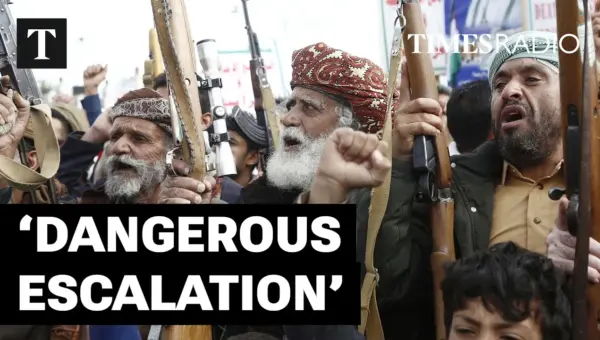
Yemen’s Houthis Join Mideast Conflict, Sparking Fears
Yemen's Houthi rebels have escalated the Middle East conflict by launching attacks and threatening vital shipping routes. This move, supported by Iran, widens the geographic scope of the war and creates new concerns for global trade. Amidst rising tensions, diplomatic efforts are underway, but a significant U.S. military presence in the region suggests a potentially volatile period ahead.