Israel Escalates Lebanon Strikes, Threatening US-Iran Ceasefire
Israel's intensified strikes on Lebanon have killed over 200 people and injured hundreds more, threatening a fragile U.S.-Iran ceasefire. Beirut has been hit with unprecedented force, leaving rescue efforts underway amidst widespread destruction. Lebanon is seeking inclusion in the ceasefire, while regional analysts question the long-term stability of the fragile truce.

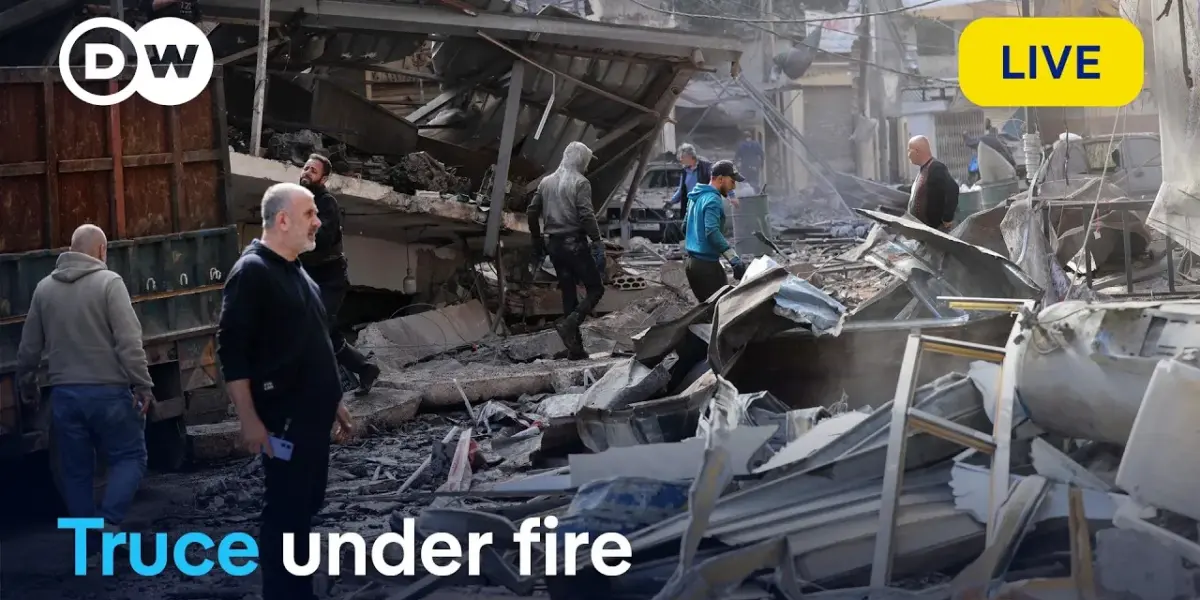
Heaviest Strikes Since War’s Start Batter Lebanon
Lebanon declared Thursday a national day of mourning following Israel’s most intense bombardment of the country since the current conflict began. The strikes, which Israel claims hit over 100 Hezbollah targets in just 10 minutes, have resulted in significant civilian casualties, with over 200 reported deaths and at least 900 injured. The United Nations has strongly condemned the violence, urging all parties to cease hostilities and adhere to diplomatic channels.
Beirut Reels from Unprecedented Attacks
The capital city, Beirut, experienced unprecedented and unexpected attacks, particularly in its central areas during rush hour. “What you see behind me is one of the sites in central Beirut that has been hit by an Israeli strike,” reported DW’s Beirut bureau chief Muhammad Shete, with rescue missions still underway. “At least two people are believed to be still under the rubble.” Hospitals are overwhelmed, and a pervasive sense of frustration and uncertainty hangs over the city, underscored by the constant presence of Israeli drones.
Lebanese Leadership Seeks Ceasefire Inclusion
Lebanon’s Prime Minister Noah Salam stated that Israel is disregarding international calls for a ceasefire. The Lebanese government is actively contacting regional and international partners to ensure Lebanon is included in the ongoing ceasefire talks between the U.S. and Iran. The President has warned that Israel will bear responsibility for any future escalation stemming from these attacks. Lebanon has proposed direct talks with Israel for a long-term peace deal, but these requests have reportedly been ignored.
Ceasefire Confusion and Hopes Dashed
The announcement of a U.S.-Iran ceasefire, brokered by Pakistan, initially raised hopes in Lebanon. Many believed Lebanon would be included, leading some displaced citizens to begin returning to their homes. However, the Lebanese army had to issue statements asking people to remain in safe areas as Israel continued its targeting. “The government has not been told that Lebanon would be included,” Shete clarified, despite assurances from Pakistani and Iranian officials to the Lebanese Speaker of the House that Iran had demanded Lebanon’s inclusion. The U.S. Vice President later confirmed that Lebanon was not part of the deal, stating, “We never made that promise.”
Humanitarian Catastrophe and Displacement
The war has caused a significant humanitarian crisis, with over 1.2 million people displaced from southern Lebanon and southern Beirut. These individuals are seeking safety in other parts of the country, creating tensions with host communities who fear becoming targets themselves. The attacks on previously considered safe areas, including central Beirut, have intensified fears and uncertainty among the population.
Israel’s Perspective and Domestic Politics
From Israel’s standpoint, the operation in Lebanon is viewed as distinct from the U.S.-Iran ceasefire. “Israel sees it as its own right to continue its operation in Lebanon,” explained DW’s Israel correspondent Felix Tamud. The government argues that the country’s north remains unsafe as long as Hezbollah launches rockets. The recent attacks are framed as self-defense, with no intention of stopping soon. Prime Minister Benjamin Netanyahu has repeatedly stated the operation will continue, despite international calls for inclusion in the ceasefire. Some analysts suggest that these escalations might also serve domestic political purposes, aiming to bolster support for the government by projecting strength and a commitment to security, especially after the October 7th attacks.
Fragile Ceasefire and Uncertain Future
Benta Sheller, head of the Middle East and North Africa division at the Hinrich Foundation, described the ceasefire as fragile due to “contradictory interests from the side of the U.S. as well as from Iran and then as a third party to Israel.” She noted that Israel feels its interests have been ignored in the U.S.-Iran negotiations, potentially leading it to interfere with U.S. interests. While the U.S. attempts to downplay the Lebanese escalation, calling them “skirmishes,” the long-term implications remain unclear. The focus remains on the U.S.-Iran talks, with uncertainty about Iran’s willingness to fully support Hezbollah if the conflict intensifies.
Deal-Making Diplomacy and Israeli Concerns
The potential for a joint U.S.-Iran venture to manage tolls in the Strait of Hormuz, as suggested by President Trump, has raised eyebrows. This move, driven by a business-oriented foreign policy, contrasts sharply with the ongoing conflict. For Israel, whose primary focus is security, such a deal could be perceived as a betrayal if it prioritizes business interests over its safety concerns.
Trust and Guarantees in a Volatile Region
Negotiating a lasting peace remains a significant challenge. “It is really tricky to find any way out of this situation,” Sheller commented. Iran will seek guarantees against future conflict, but the U.S.’s ability to provide these is complicated by Israel’s divergent interests. The lack of trust and the history of broken agreements make building confidence and ensuring guarantees hold a difficult, perhaps insurmountable, hurdle in the volatile Middle East. The international community continues to monitor the situation, hoping for de-escalation and a path toward stability.
Source: Will Israel's escalation in Lebanon derail US-Iran ceasefire? | DW News (YouTube)

Related Articles


Melania Trump Breaks Silence on Epstein Ties, Iran War Dominates
Melania Trump broke her silence on Jeffrey Epstein allegations, denying any close relationship and stating the lies must end. Meanwhile, a reported ceasefire in the Iran conflict faces challenges amid disputes over terms and ongoing hostilities, raising concerns about diplomatic clarity and global economic stability.

Iran Ceasefire: US Pushes for Deal Amidst Tensions
A fragile ceasefire between the U.S. and Iran is under severe strain, with ongoing missile firings and continued Iranian control over the Strait of Hormuz. Despite tensions, the White House remains optimistic as Vice President JD Vance leads a high-level delegation to Pakistan for peace talks. Key issues include Iran's nuclear enrichment program and the reopening of vital shipping lanes.

Middle East Tensions Rise Amid Peace Talks, Epstein Files Reemerge
This Morning's Top Headlines cover escalating Middle East tensions as peace talks approach, with Iran accused of violating a ceasefire and oil prices rising. Simultaneously, First Lady Melania Trump has addressed allegations linking her to Jeffrey Epstein, denying any personal relationship. The Justice Department is also investigating the NFL over fan subscription fees, examining potential violations of a 1961 broadcasting law.