Israel Escalates Lebanon Assault: Invasion Fears Grow
Israel has escalated its military operations in southern Lebanon, approving plans for expanded actions and destroying key infrastructure like bridges. The IDF cites Hezbollah's use of these sites for weapons transport. This has led to widespread displacement and fears of a larger invasion, with experts suggesting Israel aims to create a 'no man's land'.

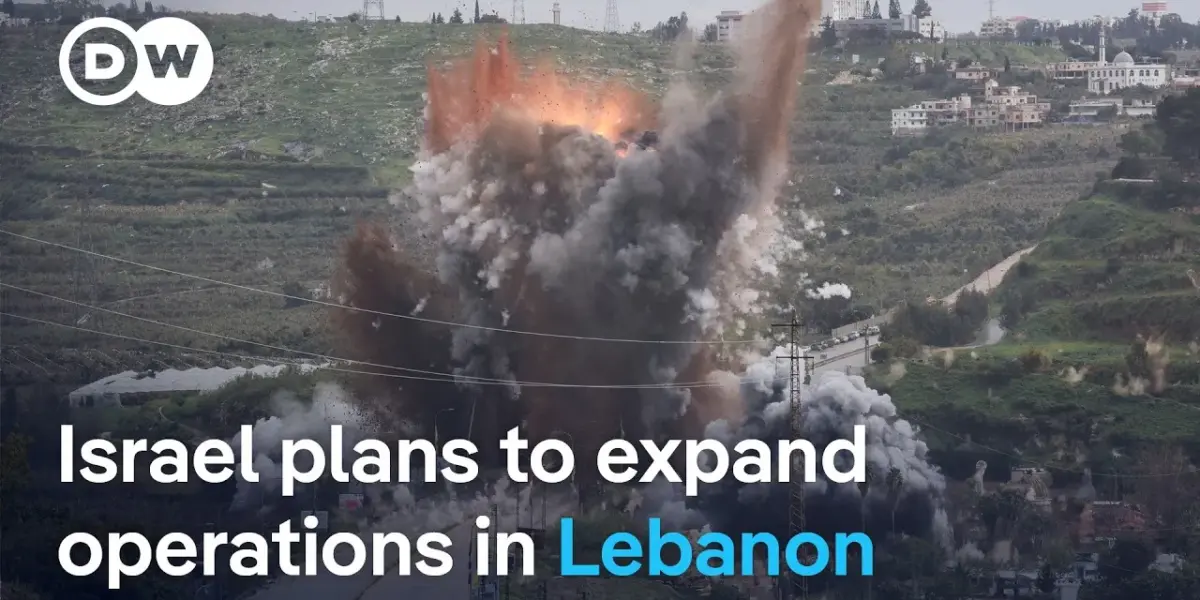
Israel Expands Lebanon Operations Amid Invasion Fears
Growing concerns are mounting that Israel is preparing for a large-scale invasion of southern Lebanon. The Israel Defense Forces (IDF) announced that plans to expand their operations have been approved. This comes as Israel has been striking infrastructure in Lebanon as part of its ongoing campaign against the militant group Hezbollah.
Strategic Bridges Destroyed
Recent Israeli airstrikes have targeted key infrastructure, including the Kashmir bridge over the Leani River. This bridge was a vital route connecting southern Lebanon to the rest of the country. The destruction was described as massive, raising questions about the response from Arab nations, the UN, and the US.
Israel Cites Hezbollah Use of Infrastructure
The Israeli army stated that the destroyed bridge was used by Hezbollah militants for transporting weapons. Prime Minister Benjamin Netanyahu ordered the destruction of all bridges over the Leani River used for “terrorist activities.” The aim is to prevent Hezbollah fighters and weapons from moving south. Israel also aims to accelerate the destruction of homes in border villages to counter threats to Israeli settlements, similar to actions taken in Gaza.
Widening Ground Operations and Displacement
Israel is intensifying its military actions in southern Lebanon, widening ground operations to eliminate Hezbollah fighters and targets. The conflict and strikes have caused approximately 1 million people to be displaced from their homes. Many are living in temporary shelters, vowing to return once the fighting stops. Despite the destruction of roads, some Lebanese remain defiant, believing that traditional routes cannot be completely cut off.
Expert Analysis: Creating a ‘No Man’s Land’
Makram Rabah, an assistant professor of history at the American University of Beirut, described the current Israeli doctrine as different from previous incursions. He noted that Israel appears to be creating a “buffer zone” that could extend to the Leani River, aiming to make the area a “no man’s land” rather than occupying it, as happened in 1978. Rabah believes a compromise is unlikely soon, given the involvement of Iran in supporting Hezbollah. The displacement of over a million Lebanese from the area presents a significant crisis.
Lebanon’s State Lacks Autonomy
Rabah explained that Hezbollah was founded in 1985 as an affiliate of Iran’s Revolutionary Guard, initially aiming to establish an Islamic state. When this was prevented by Syrian occupation, Hezbollah claimed to resist on behalf of Lebanon. However, its actions, including involvement in Syria alongside Bashar al-Assad, have alienated Lebanon regionally and increased sectarian tensions. Rabah stated that Iran uses Lebanon to its advantage. He also criticized the Lebanese state for lacking the autonomy to disarm Hezbollah, a requirement under UN Security Council Resolution 1701.
Government’s Delayed Action
The Lebanese government recently took the step of declaring Hezbollah’s military actions illegal, a move Rabah called significant but delayed. He argued that this should have happened much earlier, especially after Resolution 1701 was signed. Rabah pointed out the conflict of interest, as Hezbollah members hold positions within the Lebanese government, making it difficult for them to be both part of the government and a cause of its destruction.
Army’s Role and Resources
Regarding the enforcement of the ban on Hezbollah’s military actions, Rabah suggested that the Lebanese army has the capability but lacks the will. He criticized the current president, a Maronite Christian, for not treating Shiites as Lebanese citizens and instead justifying their guardianship under Hezbollah. Rabah believes that preventing the army from protecting Lebanese citizens from what he calls “Iranian aggression” is what risks leading to civil war, not intervening.
Daily Life in Beirut Amidst Conflict
Muhammad Traiteur, DW’s Beirut Bureau Chief, reported on the stressful and dire situation in the Lebanese capital. Over a million internally displaced people are seeking refuge in public spaces, schools, and makeshift shelters, or staying with relatives. Many are sleeping in the cold and rain, unable to find adequate accommodation. Those who can afford it have rented apartments. Families are trying to stay close to their homes to check on properties and retrieve belongings.
Impact of Bridge Destructions on Civilians
Traiteur confirmed that Israeli forces have demolished most major bridges connecting towns and villages south of the Leani River. The recent targeting of the Lafi bridge further isolates these areas, where thousands of people remain despite evacuation orders. The destruction makes travel difficult and hinders the delivery of aid, including food, clean water, medicine, and fuel, to those still in the region.
President Condemns ‘Collective Punishment’
Lebanon’s president has condemned the Israeli attacks on civilian infrastructure, calling it a form of “collective punishment.” He stated that these actions harm the livelihoods of thousands of civilians who are not affiliated with Hezbollah and did not choose to be involved in the conflict.
Source: Is Israel about to launch a large-scale invasion of southern Lebanon? | DW News (YouTube)

Related Articles
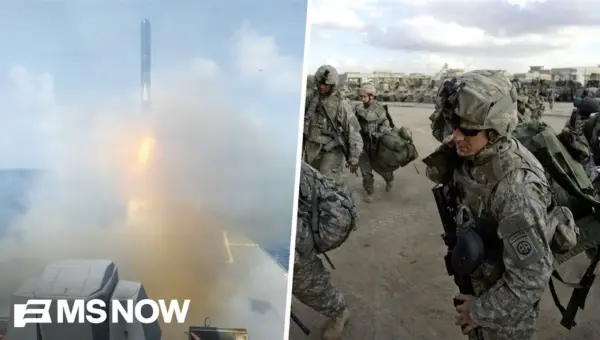
Iran Missile Strikes Injure US Troops, Raise War Concerns
Iranian missile strikes have injured U.S. service members, escalating tensions as the conflict nears one month. The attacks are raising concerns about the effectiveness of U.S. military strategy and the depletion of crucial missile stockpiles. Global oil prices have surged, impacting economies worldwide.


Saudi Arabia Pushes US for Iran War, Report Claims
Saudi Arabia's Crown Prince Mohammed bin Salman has reportedly urged the US to escalate military action against Iran, viewing it as an opportunity to reshape the Middle East. While Saudi officials deny the report, the push comes amid increased Iranian attacks on Saudi oil infrastructure. Experts suggest a complex dynamic where Saudi Arabia seeks US intervention while also managing the risks of regional instability.


Israelis Forge Resilience Amidst Constant Bomb Shelter Drills
Life in Israel is a blend of resilience and constant vigilance, with many families adapting to frequent bomb shelter drills and even sleeping in makeshift shelters. Despite ongoing missile attacks, Israelis strive to maintain normalcy, though businesses face disruption and emotional fatigue is a growing concern.